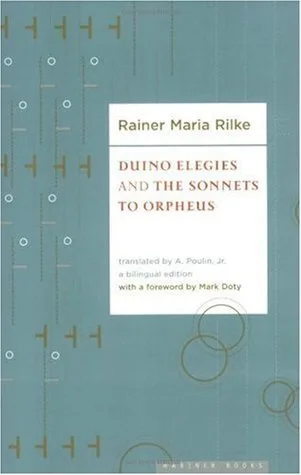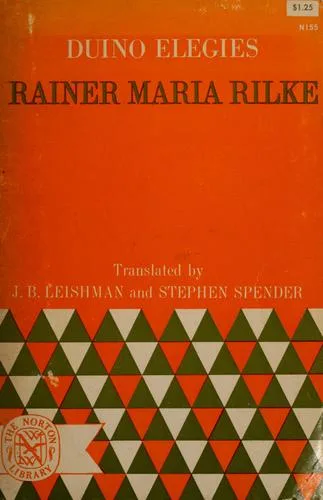
The ten elegies bridge the divide between flawed human mortality and the terrifying perfection of the Angel. Rilke identifies the inadequacy of human language and consciousness, contrasting our fleeting existence with the permanence of stone objects and the indifference of the natural world. He utilizes the figure of the acrobat to illustrate the fragility of skill and the puppet to represent unmediated action. The text culminates in the concept of the Land of Lament, a geography where grief functions as a physical territory for the living and the dead to inhabit.
Students of existential thought and lyric poetry study this work to observe the limitations of sensory experience. The reader learns that external reality only attains meaning when translated into internal, invisible thought. By examining the tension between the transient Earth and the eternal spiritual realm, the reader gains a framework for accepting death as a completion of life rather than its negation. One leaves the text with a method for affirming existence despite the certainty of its disappearance.
Deep, inward-looking, contemplative and open-ended; a demanding read.
Best for readers like The Wisdom Collector. Which reader are you?
- Published
- 1923
- Language
- EN
Quotes by Rainer Maria Rilke
More →Perhaps all the dragons in our lives are princesses who are only waiting to see us act just once with beauty and courage.
Letters to a Young Poet
The only journey is the one within.
Letters to a Young Poet
Let everything happen to you: beauty and terror. Just keep going. No feeling is final.
Letters to a Young Poet