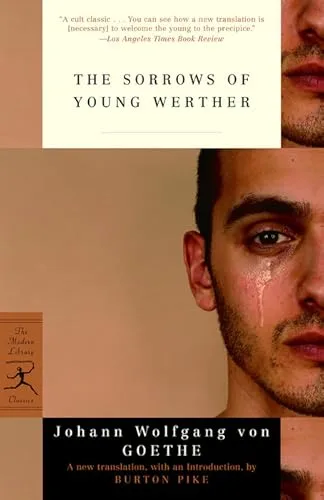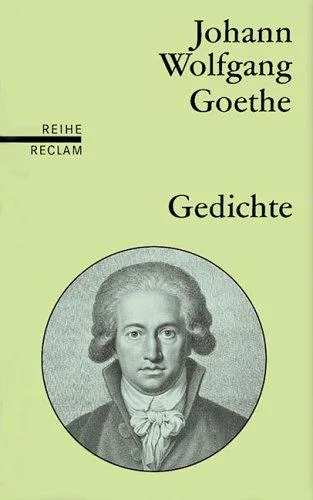
This collection identifies the evolution of German lyricism through personal observation and classical structure. The poems categorize human experience via nature imagery, specifically the movement of seasons and the stillness of the countryside, while integrating Greco-Roman mythological archetypes. Goethe documents the internal shifts of the sensitive individual, moving from the visceral emotional outbursts of the Sturm und Drang period to the balanced, objective observations found in his later Weimar Classicism. The text includes specific forms such as ballads, elegies, and epigrams that analyze morality and human nature.
Historians and students of European literature read this work to isolate the precise moment the German language shifted toward modern expression. The reader gains a technical understanding of meter and rhyme schemes used to stabilize intense psychological states. By studying these verses, one acquires a direct map of eighteenth-century intellectual shifts, learning how Enlightenment logic began to reconcile with individual sensory perception. The book provides a inventory of metaphors that defined the Romantic movement and subsequent philosophical developments in the West.
Deep and inward-looking; a demanding read.
Best for readers like The Wisdom Collector. Which reader are you?
- Published
- 1700
- Language
- EN