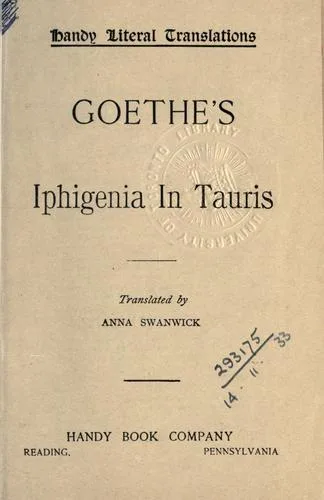
In this verse drama, Iphigenie serves as a priestess to the goddess Diana on the island of Tauris, living in exile after being saved from sacrifice by her father, Agamemnon. King Thoas seeks her hand in marriage, but their peace fractures when Iphigenie’s brother Orestes arrives, pursued by the Furies for murdering their mother. Orestes intends to steal a sacred statue to lift his curse. Rather than using deception or violence to escape with her brother, Iphigenie rejects the pattern of ancestral bloodshed and chooses absolute honesty, confessing the plan to Thoas and appealing to his humanity.
Students of Weimar Classicism and enthusiasts of Greek mythology read this play to examine the shift from archaic fate to personal agency. The text provides a model for resolving conflict through moral integrity rather than tactical manipulation. Readers finish the work with an understanding of how Goethe replaces the traditional "deus ex machina" ending with a demonstration of human autonomy. The drama illustrates the concept of "Beautiful Soul" through Iphigenie’s refusal to sacrifice truth for safety, showing how individual character can break cycles of historical trauma.
Deep, inward-looking, contemplative and thought-provoking; a moderate read.
Best for readers like The Wisdom Collector. Which reader are you?
- Published
- 1787
- Language
- EN