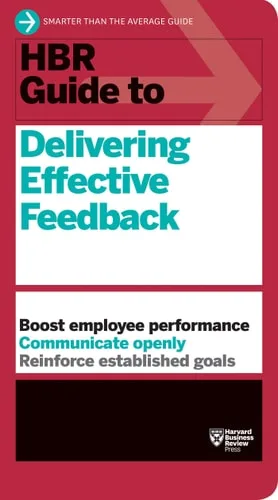
HBR Guide to Delivering Effective Feedback
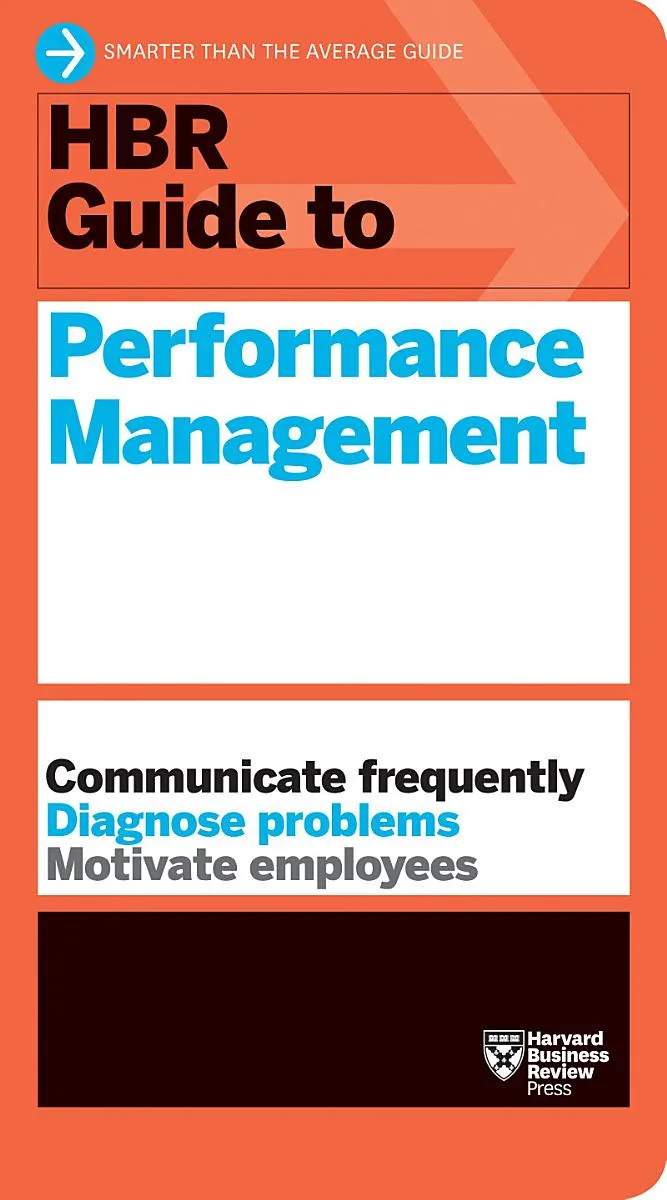
The HBR Guide to Delivering Effective Feedback provides a practical framework for managing employee performance through continuous communication. The text outlines how to move beyond the traditional annual review by establishing a culture of regular check-ins. Managers learn to distinguish between developmental feedback, which focuses on long-term growth, and evaluative feedback, which assesses past results against specific benchmarks. It details techniques for handling defensive reactions and explains how to structure the physical setting and verbal phrasing of difficult conversations to ensure common understanding and behavioral change.
This guide is intended for team leaders and upper-level executives who manage diverse teams and find performance conversations stressful or unproductive. Readers use these strategies to improve retention rates and boost individual accountability within their departments. By following these protocols, a manager leaves with a concrete toolkit for diagnosing performance gaps and creating actionable improvement plans that employees are more likely to accept and execute.
Insights from HBR Guide to Delivering Effective Feedback
Focus on what can change tomorrow. Harping on the past is a waste of time. Focus on the next project.
Prepare your first sentence before you walk into the room. If you stumble at the start, you lose the whole conversation.
“The feedback sandwich often obscures the real message.”
Stop using the feedback sandwich. People see it coming from a mile away. It makes your praise feel fake and your criticism feel hidden.
“Feedback shouldn't be a vent for your own frustrations.”
Keep your emotions in check before you open your mouth. If you are venting, you aren't helping. You are just making yourself feel better.
- Published
- 2016
- Publisher
- Harvard Business Review Press
- ISBN
- 9781633691643
- Language
- EN