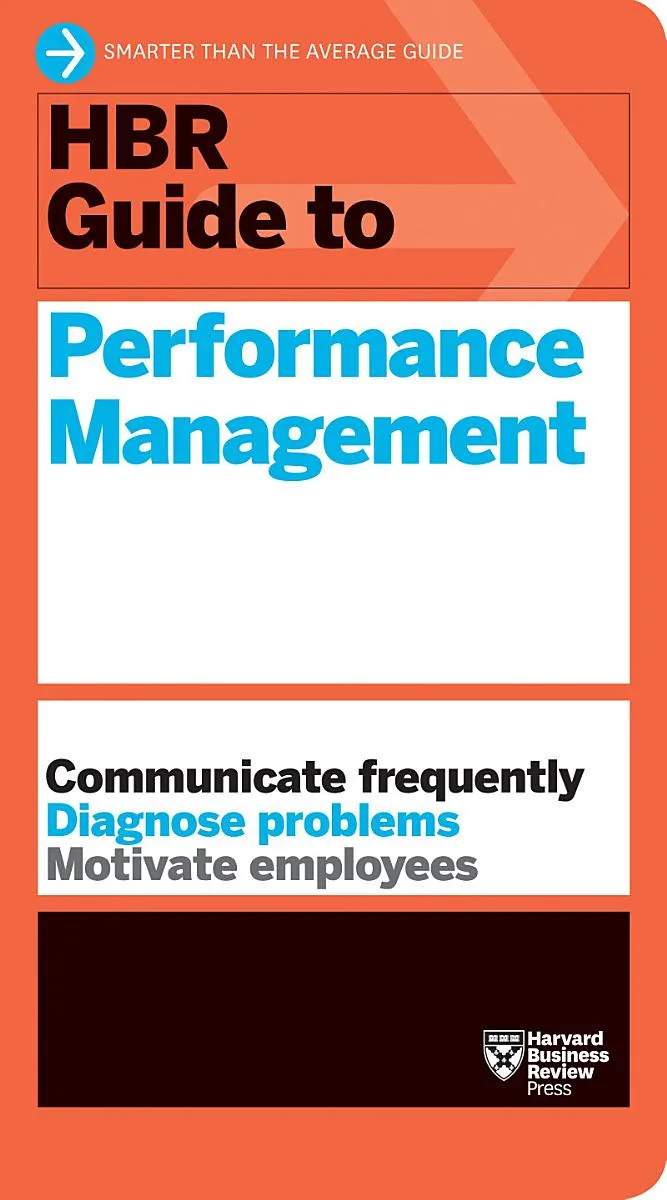
This guide presents a framework for managing employee output that moves away from stagnant annual appraisals toward a cycle of continuous improvement. It details specific methods for setting measurable goals and establishing clear expectations at the start of a project. The book provides templates for conducting frequent one-on-one check-ins, delivering constructive feedback in real-time, and coaching subordinates through professional roadblocks. It further covers the logistical aspects of performance documentation and describes how to handle chronic underperformance or disciplinary actions without damaging team morale.
New and mid-level managers read this book to improve their direct reports’ productivity and engagement levels. It serves as a practical manual for those who find the traditional review process bureaucratic or ineffective. Readers walk away with a toolkit for motivating high achievers and the vocabulary necessary for difficult conversations regarding poor work quality. By applying these techniques, supervisors create a more accountable workplace where professional development is integrated into daily operations.
Insights from HBR Guide to Performance Management
Data is only half the story. You need to know the context behind the numbers. A dip in output might mean someone is taking on a harder task.
“Move from being a judge to being a coach.”
Every performance problem is actually a coaching opportunity. Stop acting like a judge. Start acting like a trainer who wants their athlete to win the gold.
High performers need just as much attention as your problem employees. If you ignore your best people, they will eventually leave. Give them the hard projects they crave.
“Ask, 'What's the one thing that's holding you back?'”
Most managers talk way too much during check-ins. Your job is to ask a question and then shut up. Let the employee fill the silence with their own solutions.
- Published
- 2017
- Publisher
- Harvard Business Review Press
- ISBN
- 9781633692787
- Language
- EN