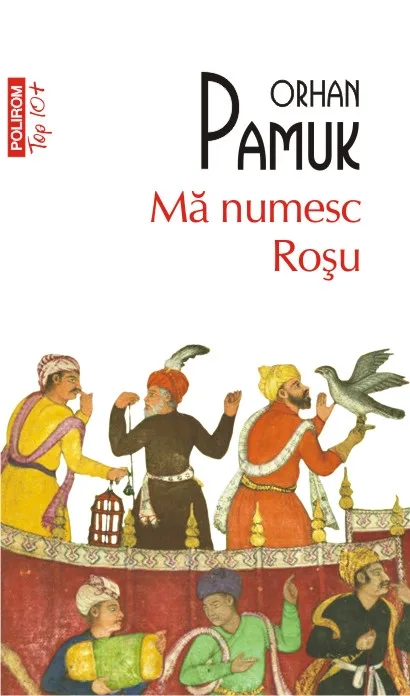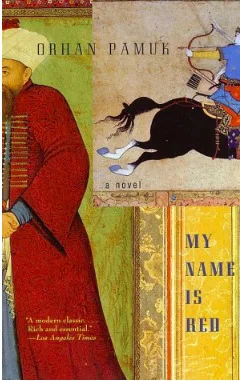
Set in 1591 Istanbul, the narrative centers on a clandestine royal commission to create a book celebrating the Sultan’s reign using European perspective and shading. This stylistic departure from traditional Islamic miniature painting triggers a religious crisis and leads to the murder of an apprentice. Black, a former traveler, returns to the city to find the killer and win the hand of the widow Shekure. The story utilizes multiple narrators, including the color red, a dead soul, and various illustrators, to contrast secular individualization against divine tradition.
This book serves readers interested in the historical tension between Eastern and Western aesthetic philosophies. Those who study the Ottoman Empire or the evolution of visual arts read it to understand how the introduction of the Renaissance "portrait" threatened established theological views on representation. Readers finish the text with a technical understanding of high-classical illumination and a perspective on how artistic intent can be perceived as an act of blasphemy within a traditionalist society.
- Published
- 1998
- Language
- EN