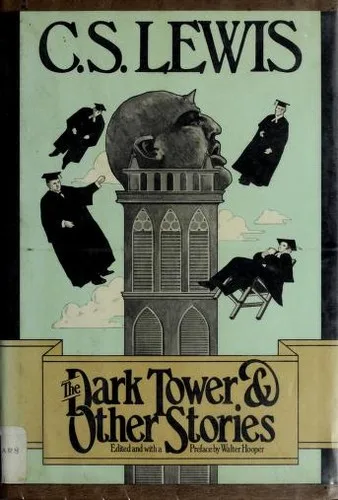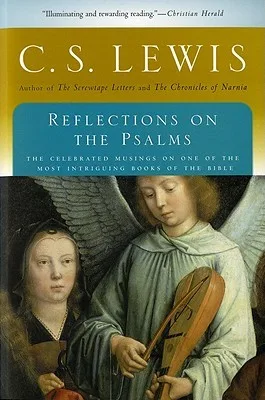
C.S. Lewis approaches the Psalter not as a theologian, but as a layperson sharing his personal difficulties with the ancient poetry. He analyzes the "cursing Psalms" by examining the human impulse for vengeance and compares Jewish conceptions of judgment with modern legal anxieties. The text addresses the historical context of animal sacrifice, the allegorical interpretation of nature, and the gradual evolution of the afterlife in Hebrew thought. Lewis specifically connects the poetic imagery of the Old Testament to Christian doctrines, treating the writers as poets whose words often carried meanings beyond their immediate intent.
This book serves readers who struggle with the violent or exclusionary passages found in scripture. It provides a intellectual framework for those who wish to bridge the gap between ancient Middle Eastern literature and contemporary religious practice. Readers gain a method for reading the Psalms as both human literature and spiritual instruction. The concluding chapters offer a perspective on how to handle the darker emotions expressed in the text without dismissing them as irrelevant or outdated for a modern believer.
Deep, inward-looking and contemplative; a moderate read.
Best for readers like The Mindful Reader. Which reader are you?
- Published
- 1958
- Language
- EN