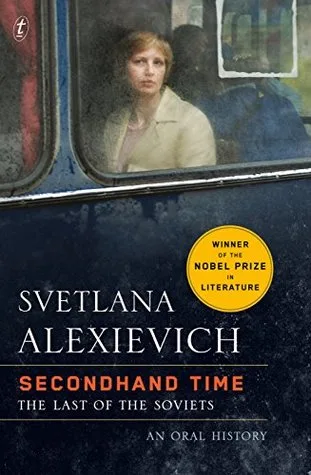
Svetlana Alexievich constructs an oral history of the Soviet Union’s collapse and the subsequent transition to capitalism through hundreds of interviews conducted between 1991 and 2012. The text documents the psychological shift from the communal "Red man" archetype to a consumer-driven society. It focuses on the internal lives of ordinary citizens—laborers, party loyalists, and families—who experienced the suicide of the socialist state. These testimonies describe the trauma of the 1991 coup, the economic shock therapy of the Yeltsin era, and the eventual nostalgic retreat toward authoritarianism under Vladimir Putin.
Readers interested in political sociology and Russian history use this work to understand why democratic reforms failed to take root in the post-Soviet landscape. The book appeals to those who study the human cost of systemic upheaval and the persistence of national mythology. A reader leaves with a granular understanding of how individuals process historical loss and why many people who suffered under communism eventually mourned its disappearance. It provides a direct look at the resentment and confusion that shaped contemporary Russian geopolitics.
Deep, inward-looking and contemplative; a moderate read.
Best for readers like The Mindful Reader. Which reader are you?
Insights from Secondhand Time: The Last of the Soviets
“We were full of an old-fashioned kind of love.”
Living through the fall of the USSR meant watching your entire moral compass become a relic overnight. People who felt like heroes for decades suddenly felt like museum exhibits.
“Nobody taught us how to be free. We were only taught how to die for freedom.”
Salami and jeans became more important than freedom of speech for a lot of people. It is haunting to hear how quickly consumer goods replaced heavy ideals.
“I’m looking for a person who has grown attached to an idea.”
Older generations still miss the greatness of the empire despite all the blood. They would rather be feared and hungry than ignored and fed.
“Death is the most fair thing in the world. No one has ever bought their way out of it.”
Suicide became a common language for those who couldn't survive the transition to capitalism. Their world ended, so they decided their lives should too.
- Published
- 2013
- Publisher
- Random House
- Language
- EN