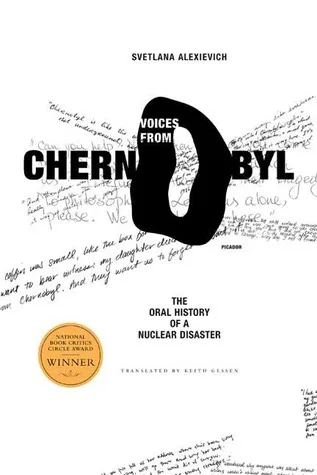
Voices from Chernobyl: The Oral History of a Nuclear Disaster
This oral history documents the 1986 nuclear meltdown through the testimonies of those who lived within the exclusion zone and the liquidators sent to contain the radiation. Svetlana Alexievich compiles accounts from widows of firefighters, displaced farmers, and former Soviet officials to chart the collapse of the state’s technological promises. These narratives detail the physical reality of radiation sickness, the forced slaughter of contaminated livestock, and the psychological shift that occurred when citizens realized they were fighting an invisible enemy that their political framework could not explain.
Readers interested in the intersection of sociopolitical collapse and environmental catastrophe use this text to understand the human cost of systemic secrecy. It serves people studying how bureaucratic failures translate into personal loss and ecological displacement. The reader walks away with a concrete perspective on how the Chernobyl disaster permanently altered the relationship between the Soviet leadership and its populace, providing a case study in the trauma of living through a man-made apocalypse.
Deep and contemplative; a moderate read.
Best for readers like The Mindful Reader. Which reader are you?
Insights from Voices from Chernobyl: The Oral History of a Nuclear Disaster
“We drank to keep the radiation away.”
Soldiers drank vodka to numb the fear and the metallic taste in their mouths. They were fighting a war against physics with shovels.
“A person lives for seventy years, but this stuff lives for eternity.”
Chernobyl changed what it means to be human. We created a monster that will outlive our civilizations by thousands of years.
“We were afraid of everything, but we couldn't see what to fear.”
Radiation is a silent thief. It stole the milk from mothers and the soil from farmers without making a sound.
“We were cleaning the world for the rest of you.”
Liquidators went onto the roof knowing they were dying. They did it because someone had to hold the world together for a moment.
- Published
- 1997
- Language
- EN