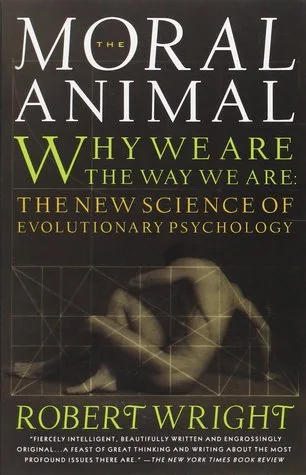
The Moral Animal: Why We Are the Way We Are - The New Science of Evolutionary Psychology
Robert Wright applies the principles of evolutionary biology to human social behavior, arguing that our moral sentiments are adaptations designed to propagate genetic material. He uses the personal life and correspondences of Charles Darwin as a case study to track how natural selection shaped common impulses. The text explains the logic behind altruism, sibling rivalry, and social hierarchy through frameworks like reciprocal altruism and parental investment. Wright details how prehistoric survival pressures created a biological basis for modern emotions such as guilt, xenophobia, and lust, suggesting our conscience is often a tool for social manipulation.
Psychology students and hobbyists read this book to understand the hidden biological incentives behind everyday interactions. It serves those interested in how Darwinian theory provides a structural foundation for ethics and sociology. Readers walk away with a cynical yet practical lens for analyzing their own motivations and the recurring patterns of human conflict. By identifying the evolutionary roots of infidelity and status-seeking, the audience gains a clearer perspective on the persistent tension between inherited instincts and modern cultural expectations.
Deep; a moderate read.
Best for readers like The Deep Diver. Which reader are you?
- Published
- 1994
- Language
- EN