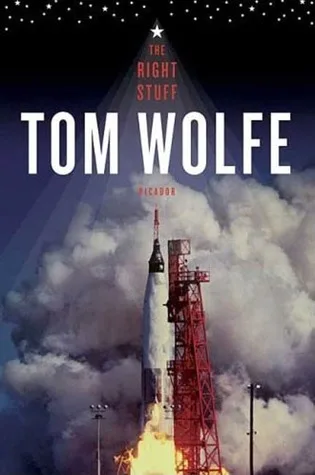
In 1959, the United States selected seven military test pilots to become the first astronauts for Project Mercury. Tom Wolfe documents their transition from the high-altitude, high-risk world of Edwards Air Force Base to the heavily managed celebrity of the NASA space program. He describes the unwritten code of the "right stuff," a specialized mixture of physical nerve and professional stoicism required to survive the frequent crashes of experimental aircraft. The narrative details how these pilots navigated the tension between their role as skilled aviators and their new function as automated passengers inside small capsules launched atop volatile ballistic missiles.
Readers interested in the intersection of mid-century social dynamics and military history find a granular view of the Cold War space race here. The book explains the specific status hierarchy of the fighter pilot community and how public relations transformed technical personnel into national symbols. Anyone following the history of aviation or aerospace engineering gains an understanding of the psychological demands placed on early orbital travelers. The reader walks away with a clear definition of the professional composure demanded by experimental flight and the bureaucratic pressures that reshaped American heroism during the 1960s.
Outward-looking and clear-cut; a moderate read.
Best for readers like The Evidence Seeker. Which reader are you?
- Published
- 1979
- Language
- EN
More by Tom Wolfe
See all →

Books like The Right Stuff
See all 12 →