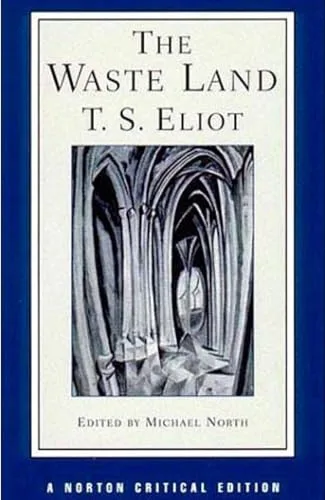
The Waste Land presents a fragmented vision of Europe following the First World War, utilizing a collage of classical mythology, religious texts, and urban vignettes. The poem centers on the failure of fertility and the exhaustion of cultural traditions, transitioning through five distinct sections that shift between the perspectives of figures like Tiresias, Madame Sosostris, and Phlebas the Phoenician. Eliot incorporates Sanskrit prayers, Dantean imagery, and snippets of modern conversation to depict a civilization struggling with spiritual drought and the loss of historical continuity.
This book serves students of modernism and readers interested in complex linguistic puzzles. It attracts those who value intertextual references and the intersection of Eastern philosophy with Western theology. A reader finishes the text with a deeper understanding of how traumatic history alters poetic form and how disjointed voices can create a cohesive portrait of social collapse. The work provides a rigorous mental exercise in decoding symbols of decay and looking for patterns within cultural wreckage.
Deep, inward-looking, contemplative and open-ended; a demanding read.
Best for readers like The Wisdom Collector. Which reader are you?
- Published
- 1922
- Language
- EN