Books like Hyperspace: A Scientific Odyssey Through Parallel Universes, Time Warps, and the Tenth Dimension
12 books with a reading profile close to Hyperspace: A Scientific Odyssey Through Parallel Universes, Time Warps, and the Tenth Dimension by Michio Kaku. Outward-looking and clear-cut; a moderate read.
-
1
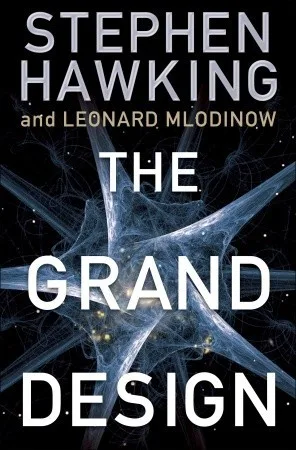
The Grand Design
Also outward-looking · analytical, theoretical
The Grand Design examines the origin of the universe through the lens of M-theory, which proposes that multiple dimensions and a vast multiverse exist beyond our perception.
-
2

A Brief History of Time
Also outward-looking · analytical, theoretical
Stephen Hawking explains the mechanics of the universe, moving from Newtonian gravity and relativity to the subatomic world of quantum mechanics.
-
3
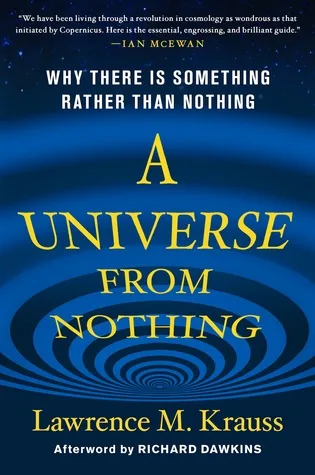
A Universe from Nothing: Why There Is Something Rather Than Nothing
Also outward-looking and clear-cut · analytical, theoretical
Lawrence Krauss explains how modern cosmology and particle physics account for the origin of the cosmos without requiring a divine creator.
-
4

Wordslut: A Feminist Guide to Taking Back the English Language
analytical, theoretical
Amanda Montell analyzes the intersection of sociolinguistics and gender dynamics to explain how English has been shaped by patriarchal structures.
-
5
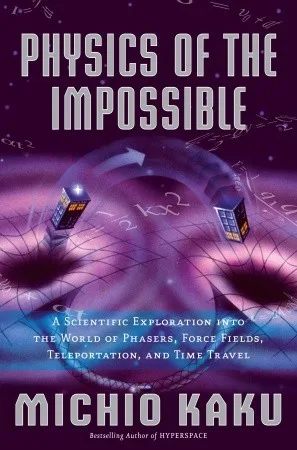
Physics of the Impossible
by Michio Kaku
Also outward-looking and clear-cut · analytical, theoretical
Michio Kaku categorizes the technologies of science fiction into three levels of physical possibility based on the laws of thermodynamics and electromagnetism.
-
6

Nexus
Also outward-looking · analytical, theoretical
Nexus examines the historical relationship between information networks and the survival of social structures.
-
7
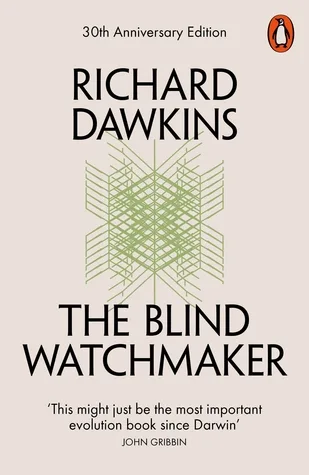
The Blind Watchmaker: Why the Evidence of Evolution Reveals a Universe Without Design
Also outward-looking · analytical, theoretical
Richard Dawkins frames his argument against the watchmaker analogy proposed by William Paley, which suggested that complex biological structures necessitate an intelligent designer.
-
8
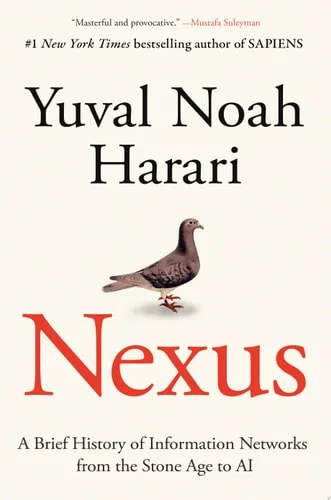
Nexus A Brief History of Information Networks from the Stone Age to AI
Also outward-looking · analytical, theoretical
In Nexus, Yuval Noah Harari examines how information networks function as a mechanism for social control and institutional structure rather than merely a path to truth.
-
9
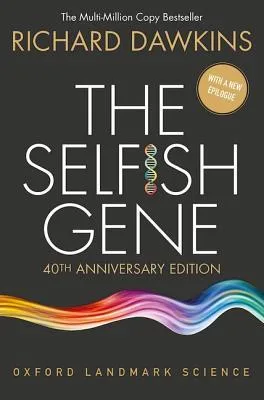
The Selfish Gene
Also outward-looking · analytical, theoretical
Richard Dawkins argues that the fundamental unit of selection in evolution is neither the species nor the individual, but the gene.
-
10
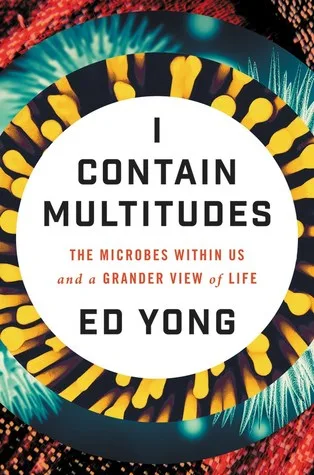
I Contain Multitudes: The Microbes Within Us and a Grander View of Life
by Ed Yong
Also outward-looking and clear-cut · analytical, accessible
Ed Yong examines the complex symbiosis between animals and the trillions of bacteria, viruses, and fungi that inhabit their bodies.
-
11

Women & Power: A Manifesto
by Mary Beard
analytical, theoretical
In this manifesto, classicist Mary Beard traces the historical roots of female silence back to ancient Greek and Roman literature.
-
12
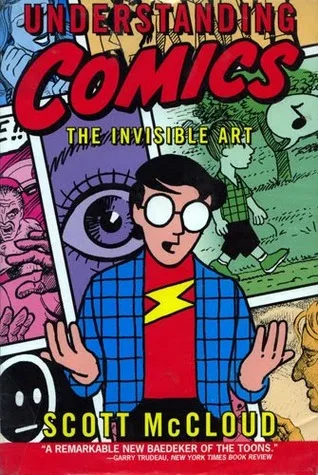
Understanding Comics: The Invisible Art
analytical, theoretical
Scott McCloud utilizes the comic book medium to dissect its own mechanics, defining comics as "juxtaposed pictorial and other images in deliberate sequence." He introduces the concept of closure, which occurs in the "gu…
Get picks matched to your own reading on papr.
Get papr
