Set in ancient Athens and an adjacent enchanted forest, this comedy follows four young lovers—Hermia, Lysander, Helena, and Demetrius—whose romantic entanglements spiral into chaos due to the interference of the fairy king Oberon and his servant Puck. While a troupe of amateur actors rehearses a play for the Duke’s wedding, a magical nectar causes characters to fall in love with the first creature they see upon waking. This leads to absurd scenarios, including a weaver named Bottom being transformed into a donkey and becoming the object of Queen Titania's affection.
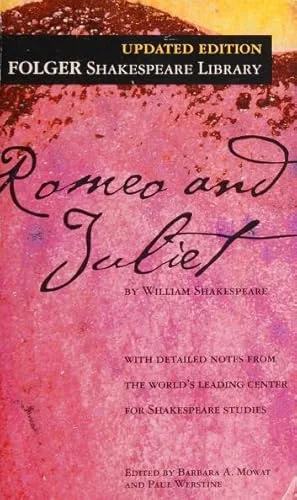
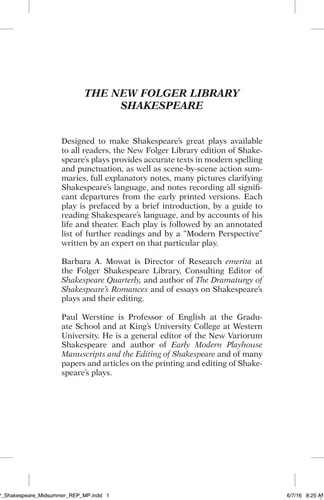
Classic literature enthusiasts and students read this play to understand the mechanics of Shakespearean humor and the use of the play-within-a-play structure. The modern editions edited by scholars like Mowat and Werstine provide the necessary linguistic context to bridge the gap between Elizabethan English and contemporary speech. Readers walk away with a clear grasp of how various social classes and supernatural entities collide in a narrative that treats affection as a fickle, chemically induced state.
Deep and open-ended; a moderate read.
Best for readers like The Story Seeker. Which reader are you?
Insights from A Midsummer Night’s Dream
“I am your spaniel.”
Helena is the most relatable person in the woods. She chases Demetrius even when he treats her like dirt. We have all been that desperate at 2 AM.
“Love looks not with the eyes, but with the mind.”
Love is just a chemical glitch. Puck drops juice in your eyes and suddenly you're obsessed with a donkey. We aren't in control of who we want.
“O, when she's angry, she is keen and shrewd!”
Hermia and Helena’s friendship dies the second a man gets involved. One growth spurt and they are ready to claw each other's eyes out. It is brutal.
“I'll plague thee for this advantage.”
Oberon is a total nightmare. He ruins everyone's lives just to win a petty argument over a kid. He is the original toxic boyfriend.
- Published
- 1595
- Publisher
- Simon & Schuster
- ISBN
- 9780743477543
- Language
- EN
Quotes by William Shakespeare
More →There is nothing either good or bad, but thinking makes it so.
Hamlet
What's past is prologue.
The Tempest
The fault, dear Brutus, is not in our stars, but in ourselves.
Julius Caesar