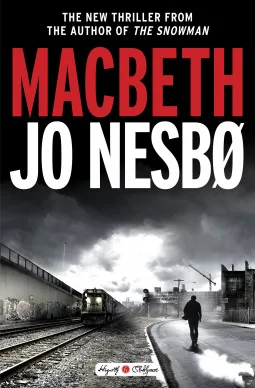
After receiving a prophecy from three witches that he will become King of Scotland, a general named Macbeth murders King Duncan to seize the throne. Spurred by his wife’s ambition and his own growing paranoia, the new monarch descends into a series of increasingly violent crimes to maintain his grip on power. As the supernatural omens multiply and political opposition mounts under the nobleman Macduff, the Macbeths succumb to guilt, insomnia, and hallucinations, eventually facing a military siege that fulfills the witches’ cryptic oracles.
Readers of classic drama and early modern poetry study this play to analyze the psychological breakdown caused by unchecked ambition and political betrayal. It serves as a study for those interested in the relationship between fate and human agency, or the linguistic structure of blank verse. Readers finish the text with a technical understanding of the tragic hero archetype and a clear view of the consequences of tyranny within a monarchical framework.
Deep, inward-looking, contemplative, open-ended and thought-provoking; a moderate read.
Best for readers like The Wisdom Collector. Which reader are you?
Insights from Macbeth
“Stars, hide your fires; let not light see my black and deep desires.”
Macbeth starts as a hero but falls so fast. It shows how one bad choice can rot your entire life.
“All the perfumes of Arabia will not sweeten this little hand.”
Lady Macbeth thinks she can just wash the guilt away. She finds out the hard way that memory doesn't work like that.
“And oftentimes, to win us to our harm, the instruments of darkness tell us truths.”
The witches never actually force anyone to do anything. They just tell Macbeth what he already wants to hear.
“In the great hand of God I stand.”
Banquo sees the same ghosts and prophecies but stays decent. It makes Macbeth's downward spiral feel much more personal.
- Published
- 1508
- Publisher
- Bloomsbury Arden Shakespeare
- ISBN
- 9781903436486
- Language
- EN
Quotes by William Shakespeare
More →There is nothing either good or bad, but thinking makes it so.
Hamlet
What's past is prologue.
The Tempest
The fault, dear Brutus, is not in our stars, but in ourselves.
Julius Caesar