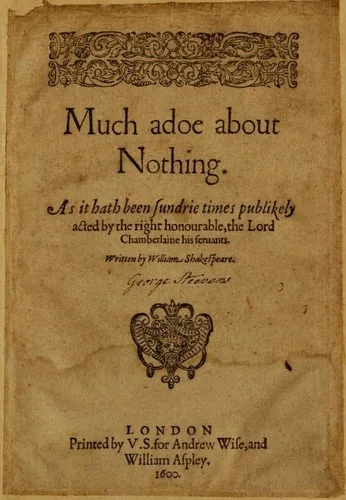
In the aftermath of a successful military campaign, the Prince of Aragon and his soldiers visit the estate of Leonato in Messina. The plot centers on two contrasting romances. Claudio falls in love with Leonato’s daughter, Hero, but their union is sabotaged by the villainous Don John through a staged scene of infidelity. Parallel to this, the sharp-witted Beatrice and Benedick engage in a linguistic war of nerves until their friends trick them into believing each secretively loves the other. These dual arcs hinge on eavesdropping, social performance, and the psychological effects of reputation.
This play serves readers interested in the mechanics of human pride and the fragility of social standing. Those who study linguistics or group dynamics read it to observe how rumors and misinformation shape private reality. The audience gains a clear view of how gendered double standards function within a community and how pride often masks emotional vulnerability. It provides a blueprint for understanding how social pressure forces individuals to conform to scripts of either hostility or romantic devotion.
Thought-provoking; a moderate read.
Best for readers like The Story Seeker. Which reader are you?
- Published
- 1600
- Language
- EN
Quotes by William Shakespeare
More →There is nothing either good or bad, but thinking makes it so.
Hamlet
What's past is prologue.
The Tempest
The fault, dear Brutus, is not in our stars, but in ourselves.
Julius Caesar