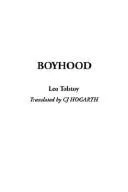
In this second installment of his semi-autobiographical trilogy, Leo Tolstoy follows the adolescent Nikolenka Irtenyev as he moves from his family’s country estate to Moscow. The narrative focuses on the internal transition from the innocence of childhood to a self-conscious, often painful awareness of social hierarchy and personal identity. Nikolenka grapples with his perceived physical ugliness, the complexities of academic failure under his tutor St-Jerôme, and the death of his mother. He begins to scrutinize the moral behavior of his family and servants, transitioning from a reactive child to a reflective observer of the rigid Russian class system.
Readers interested in the psychological development of adolescents and nineteenth-century Russian history will find this a detailed study of character formation. The text serves those who want to understand how early social environments dictate adult morality and class consciousness. A reader walks away with a clear picture of the specific social etiquette of the Russian nobility and an understanding of the intellectual alienation that often accompanies the end of childhood. The book provides a clinical look at the shift from emotional spontaneity to the calculated social performance required by aristocratic society.
Inward-looking and thought-provoking; a moderate read.
Best for readers like The Story Seeker. Which reader are you?
- Published
- 1854
- Language
- EN