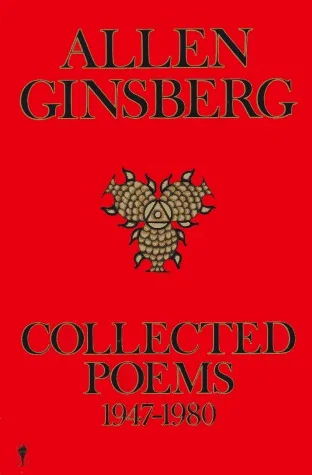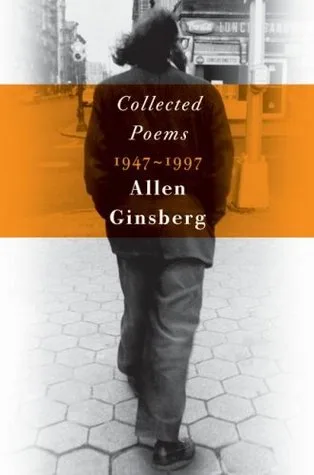
This volume assembles five decades of verse, beginning with the formal meters of Ginsberg’s early career and transitioning into the expansive, Whitmanesque long lines that defined the Beat Generation. The collection documents his public opposition to the Vietnam War, his adoption of Buddhist meditation practices, and his critiques of American materialism. Readers encounter specific chronological milestones, from the jazz-influenced rhythms of post-war San Francisco to the raw elegies written for his mother, Naomi, alongside later experimental works focusing on aging and the ecological crisis of the late twentieth century.
The book serves historians of American counterculture and students of prosody interested in the shift from academic verse to spontaneous composition. It attracts those seeking a primary account of the social upheavals following World War II, viewed through the lens of a poet who integrated private sexual identity with public political protest. Readers finish the collection with a technical understanding of the "breath-unit" in poetry and a comprehensive record of how one writer’s aesthetic evolved from rhythmic formality into unfiltered, observational speech.
- Published
- 2006
- Language
- EN