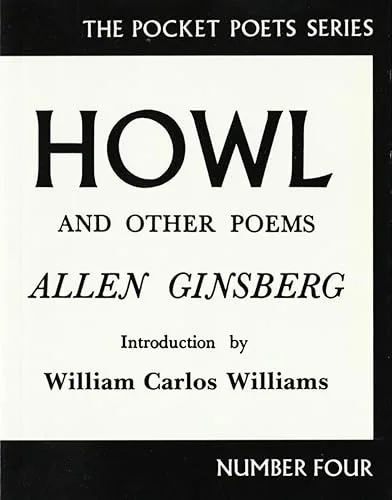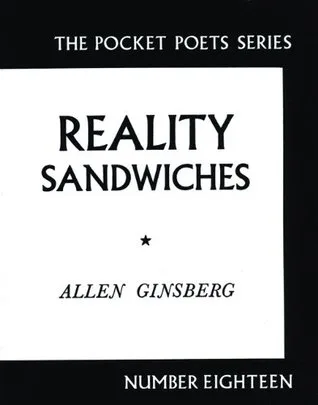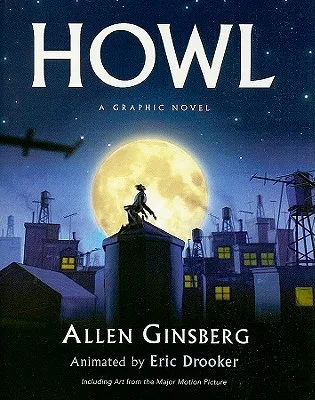
Allen Ginsberg’s long-form poem serves as a frantic inventory of 1950s counterculture, cataloging the lives of drug users, jazz musicians, and dropouts who faced psychiatric commitment and legal prosecution. The text identifies "Moloch," a metaphorical deity representing industrial capitalism and cold bureaucracy, as the force consuming the creative spirit of his generation. Through long breath-based lines, Ginsberg details specific experiences of poverty in East Village apartments, sexual encounters in public spaces, and the shared isolation of patients within the Rockland State Hospital psychiatric ward.
This book serves readers interested in the historical Beat Generation and those studying the evolution of American free verse. It attracts individuals seeking a visceral critique of social conformity and the mechanized nature of post-war urban life. Readers finish the poem with a starker understanding of how mid-century legal and medical institutions treated mental illness and non-conformity. They gain an uncensored view of a specific era’s underground subcultures and the linguistic techniques used to break traditional poetic structures.
Deep and open-ended; a moderate read.
Best for readers like The Literary Connoisseur. Which reader are you?
- Published
- 1956
- Language
- EN