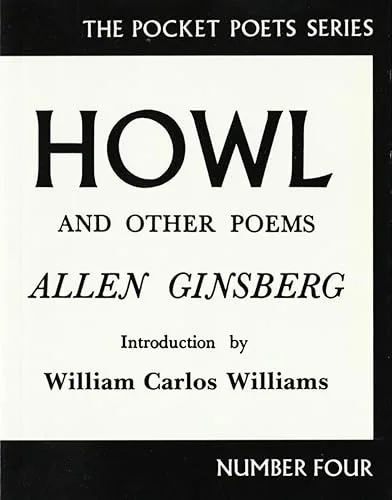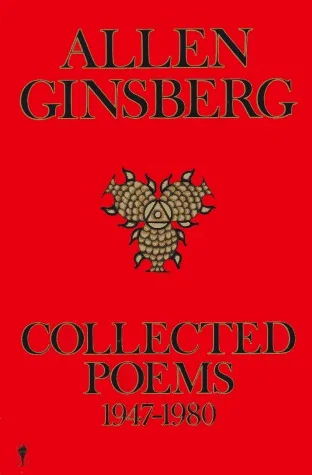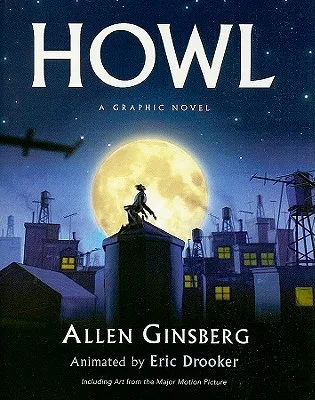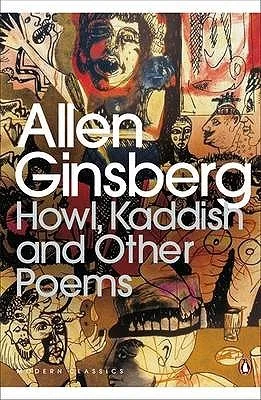
"Howl, Kaddish and Other Poems" collects the visceral, long-form verse that established the Beat Generation's aesthetic language. The title poem utilizes rhythmic cataloging to document the psychiatric wards, cold-water flats, and urban underbellies of mid-century America. It addresses the friction between individual identity and industrial capitalism, naming Moloch as the symbol of societal sacrifice. In "Kaddish," Ginsberg shifts to a biographical register, providing a detailed mourning ritual for his mother, Naomi. He recounts her schizophrenia, her paranoid delusions, and their shared family history within the immigrant Jewish experience in New Jersey.
Readers interested in the evolution of American prosody study this collection to understand how spontaneous composition and jazz-influenced breath patterns replaced traditional meter. This audience seeks an unfiltered look at mental illness, anti-establishment politics, and the intersection of spiritual mysticism with secular life. The book provides a technical template for the use of the "long line" in poetry. A reader leaves these pages with a specific historical record of bohemian New York and a framework for converting private grief and public protest into rhythmic, observational literature.
- Published
- 1956
- Language
- EN