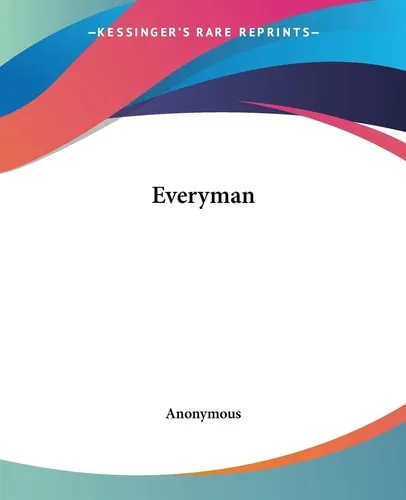
In this late medieval morality play, the personified figure of Death summons the protagonist to provide a final account of his life before God. Everyman attempts to persuade his lifelong companions—Fellowship, Kindred, and his material Goods—to accompany him on this final pilgrimage, but they all desert him when faced with the grave. Only the weakened Goods Deeds stays by his side, regaining strength through Everyman’s acts of penance and confession. The drama functions as a theological allegory regarding the necessity of religious sacraments and the futility of worldly wealth in the face of judgment.
Students of early English literature and history read this text to understand the transition from liturgical ritual to secular theater. It serves as a primary example of how medieval authors used personification to teach Christian doctrine to a largely illiterate public. Readers walk away with a clear perspective on fifteenth-century views regarding mortality and the specific roles of charity and repentance in achieving salvation. The text provides a historical blueprint for the allegorical structures that eventually influenced Elizabethan drama and modern storytelling.
Deep, inward-looking, contemplative, clear-cut and thought-provoking; a moderate read.
Best for readers like The Mindful Reader. Which reader are you?
Insights from Everyman
“I lie here in dust and am very sick.”
Death doesn't wait for you to pack a bag. Everyman is shocked when Fellowship ditches him at the finish line. Friends are great for a beer but they won't go into the ground with you.
“All earthly things is but vanity.”
You end up exactly where you started. Alone with your choices. Everyman's only real currency is the kindness he almost forgot to do.
“O glorious fountain, that all uncleanness doth clarify.”
Confession is about total honesty with yourself. It is the only way Everyman finds any peace. You have to scrub the dirt off before you can leave.
“I know thee not.”
Most people live like they have forever. Everyman is genuinely confused that his time is up. We all think we are the exception to the rule until the messenger knocks.
- Published
- 1485
- Publisher
- Kessinger Publishing
- ISBN
- 9781419118739
- Language
- EN