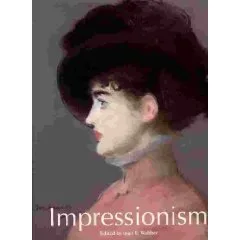
This comprehensive survey documents the evolution of Impressionism from its nineteenth-century French origins to its international expansion. Ingo F. Walther organizes the material by artist and chronological development, analyzing how figures like Monet, Renoir, and Pissarro shifted artistic focus from academic realism to the transient effects of light and atmosphere. The text examines specific technical innovations, such as the use of broken color and "en plein air" painting, while detailing the social conditions and institutional rejections that shaped the movement's radical identity.
This book serves art historians and students who require a dense, visual reference of the era’s shifting aesthetics. Readers typically use it to identify the distinguishing brushwork of specific masters or to understand the transition from traditional studio practices to modernism. By studying the detailed reproductions and biographical sketches, the reader gains a technical understanding of color theory and a clear timeline of how sensory perception became a primary subject in Western art.
- Published
- 1992
- Language
- EN