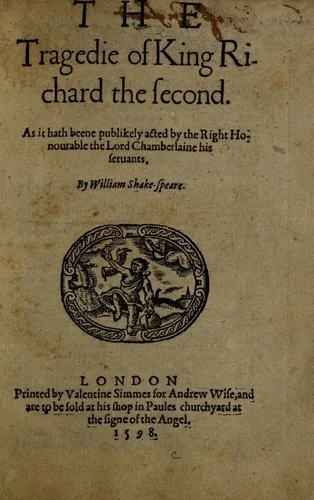
King Richard II depicts the downfall of a monarch who believes his authority is a divine right rather than a political function. The narrative begins with Richard exiling Henry Bolingbroke and seizing his inheritance to fund military campaigns in Ireland. This confiscation triggers a rebellion, as Bolingbroke returns to England to reclaim his land and eventually the crown. The text focuses on the transition of power from a poetic, detached ruler to a pragmatic, administrative one, culminating in Richard’s formal abdication and imprisonment.
This play serves historians and students of political philosophy who investigate the legitimacy of leadership and the consequences of violating property laws. Readers observe the friction between established tradition and the practical necessity of competent governance. One gains a specific understanding of the internal psychological collapse that occurs when a person is stripped of a state-sanctioned identity. The text provides a clear template for how civil unrest evolves from personal grievances into a total restructuring of national sovereignty.
Balanced in tone; a moderate read.
Best for readers like The Story Seeker. Which reader are you?
- Published
- 1597
- Language
- EN
Quotes by William Shakespeare
More →There is nothing either good or bad, but thinking makes it so.
Hamlet
What's past is prologue.
The Tempest
The fault, dear Brutus, is not in our stars, but in ourselves.
Julius Caesar