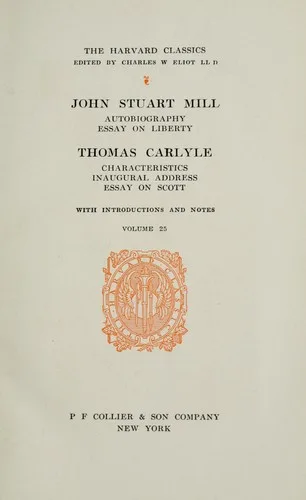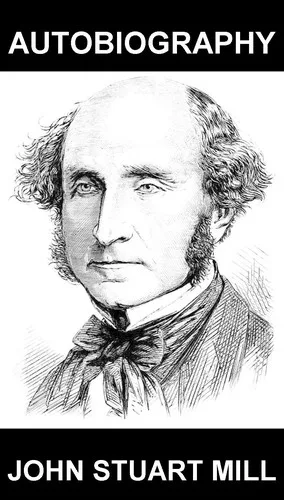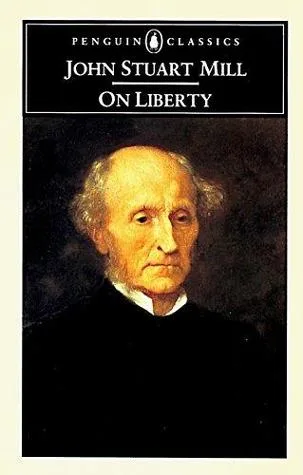
John Stuart Mill outlines a framework for individual sovereignty against the interference of the state and the pressures of social conformity. He argues that the only legitimate reason to exercise power over a member of a civilized community against their will is to prevent harm to others. The text examines the necessity of free speech, the value of eccentric behavior in a functioning society, and the limits of parental and governmental authority. Alongside his primary thesis on liberty, these essays discuss utilitarian ethics, the economic logic of socialism, and the legal subordination of women.
Students of political philosophy and legal theory study this collection to understand the intellectual foundations of modern liberalism. Readers gain a clear set of criteria for determining when a government may rightfully restrict personal conduct and when it must remain neutral. The book provides a technical vocabulary for debating censorship, the rights of the minority, and the tension between collective security and private autonomy. By engaging with Mill’s logic, the reader learns to analyze how social institutions shape individual character and behavior within a democratic framework.
- Published
- 1989
- Language
- EN
Quotes by John Stuart Mill
More →Liberty consists in doing what one desires.
On Liberty
The tyranny of the majority is now generally included among the evils against which society requires to be on its guard.
On Liberty