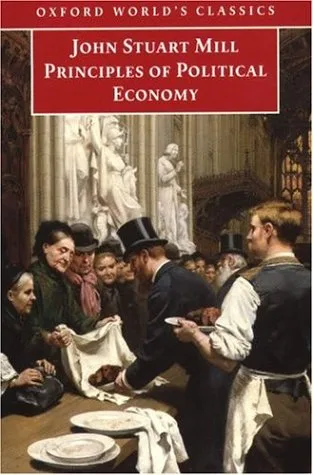
John Stuart Mill defends the Greatest Happiness Principle, asserting that actions are right if they promote pleasure and wrong if they produce pain. He distinguishes between higher mental pleasures and lower physical ones, arguing that intellectual pursuits hold greater value than mere sensory gratification. The text addresses common objections to this ethical framework, explaining that utility requires individuals to act as disinterested spectators seeking the collective good. Mill also connects the concept of justice to social utility, defining rights as protections necessary for general security.
This book serves students of moral philosophy and political theory who need to understand the foundations of consequentialism. Readers learn to calculate the moral worth of an action based on its outcomes rather than abstract intentions. The text provides a logical system for resolving ethical dilemmas by prioritizing the welfare of the majority. By the end, a reader can apply the utility test to legal structures, personal conduct, and social policy to determine which rules best support human flourishing.
- Published
- 1861
- Language
- EN
Quotes by John Stuart Mill
More →Liberty consists in doing what one desires.
On Liberty
The tyranny of the majority is now generally included among the evils against which society requires to be on its guard.
On Liberty