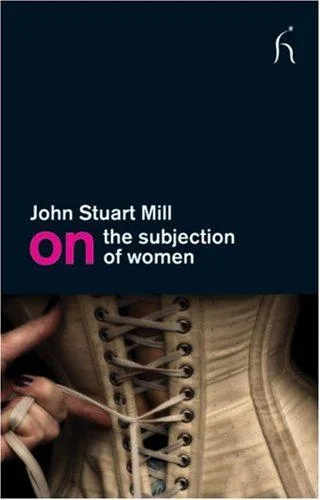
John Stuart Mill argues that the legal subordination of women to men is a fundamental hindrance to human development. He asserts that the social differences between genders result from systematic education and artificial legal constraints rather than inherent biological nature. Mill focuses on the legal institution of marriage, comparing it to domestic slavery, and advocates for equal rights in property ownership, child custody, and employment. He utilizes utilitarian logic to demonstrate that excluding half the population from public life undermines economic productivity and intellectual progress across society.
This text serves students of political philosophy and historians studying the Victorian era. Readers analyze how Mill applies classical liberal principles of individual liberty and meritocracy to the specific legal status of women. It provides a primary source account of nineteenth-century legal structures and the early arguments for universal suffrage. A reader gains a technical understanding of the legislative barriers that historically restricted women's autonomy and the logical frameworks used to challenge those institutional biases.
- Published
- 1869
- Language
- EN
Quotes by John Stuart Mill
More →Liberty consists in doing what one desires.
On Liberty
The tyranny of the majority is now generally included among the evils against which society requires to be on its guard.
On Liberty
More by John Stuart Mill
See all →
Readers also enjoyed