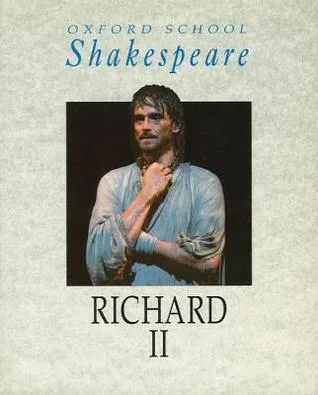
King Richard II believes his authority originates from divine right, yet his erratic leadership and the seizure of John of Gaunt’s estate trigger a political crisis. When the exiled Henry Bolingbroke returns to reclaim his inheritance, the conflict shifts from a legal dispute to a full-scale challenge for the throne. The narrative tracks Richard’s transition from a confident monarch to a prisoner stripped of his crown. Through formal verse and ceremonial rhetoric, the text examines the physical and legal process of deposition and the inner psychological collapse of a ruler losing his identity.
This play serves readers interested in the transition from medieval feudalism to modern political pragmatism. Historians and students of drama study it to understand the precariousness of institutional legitimacy and the consequences of a weak executive. Readers gain an understanding of how language and ritual sustain political power, as well as the personal isolation that follows a loss of status. It provides a technical look at how a state functions when the shared belief in a leader’s sanctity begins to erode.
Deep, contemplative and thought-provoking; a demanding read.
Best for readers like The Deep Diver. Which reader are you?
- Published
- 1595
- Language
- EN
Quotes by William Shakespeare
More →There is nothing either good or bad, but thinking makes it so.
Hamlet
What's past is prologue.
The Tempest
The fault, dear Brutus, is not in our stars, but in ourselves.
Julius Caesar