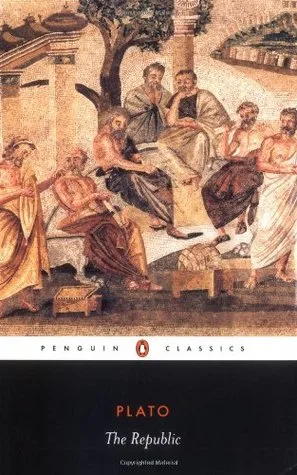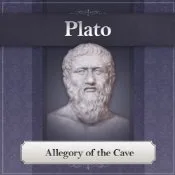
In this philosophical dialogue from the Republic, Plato presents a scenario where prisoners are chained inside a dark cavern, facing a wall. They observe moving shadows cast by a fire behind them and mistake these silhouettes for reality. One prisoner escapes to the surface, where the sun reveals the true forms of objects. This allegory illustrates the difference between sensory perception and the realm of ideas. It argues that human understanding is often limited by superficial appearances and that the goal of education is to turn the soul toward the light of objective truth.
Students of philosophy and cognitive psychology read this text to analyze the nature of human bias and belief systems. It appeals to those investigating how social conditioning shapes personal worldview and decision-making processes. A reader gains a framework for questioning their own assumptions about reality and learns to distinguish between cultural illusions and verified knowledge. The text provides a logical basis for pursuing intellectual rigor and skeptical inquiry into the origin of one's thoughts.
- Language
- EN