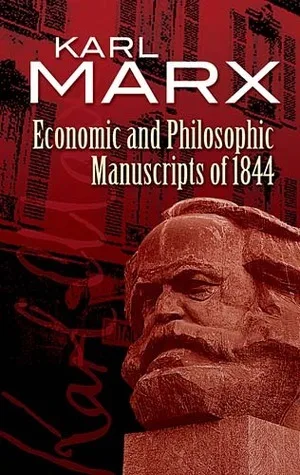
In this historical analysis, Karl Marx examines the French coup of 1851, where Louis-Napoleon Bonaparte seized dictatorial power. Marx applies his theory of historical materialism to explain how a mediocre individual successfully exploited the intense class struggles between the proletariat, the bourgeoisie, and the peasantry. He argues that the state can achieve a degree of autonomy when social classes are too balanced or exhausted to rule directly. The text introduces the concept of Bonapartism, detailing how the executive branch expands its bureaucracy to suppress civil society while claiming to represent all citizens.
Students of political science and sociology read this work to understand the mechanics of authoritarianism and the relationship between economic interests and political institutions. The book provides a framework for analyzing how crisis and stalemate lead to the rise of populist leaders. Readers gain a technical perspective on how class consciousness influences historical cycles and why social revolutions sometimes result in a parody of previous regimes. It serves as a study in how symbolic narratives and historical prestige are utilized to legitimate military rule and centralized state control.
- Published
- 1852
- Language
- EN
Quotes by Karl Marx
More →The philosophers have only interpreted the world in various ways; the point is to change it.
Theses on Feuerbach