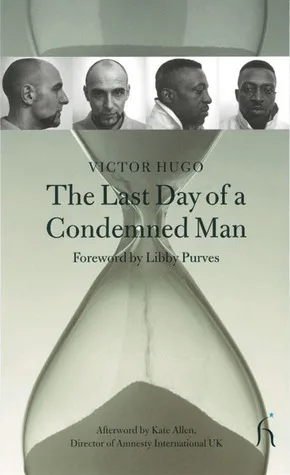
Focused on the final six weeks of a prisoner awaiting execution in nineteenth-century France, Victor Hugo’s novel follows an unnamed protagonist from his trial at the Bicêtre Hospital to the guillotine at Place de Grève. Through a series of diary entries, the narrative documents the physical constraints of the cell and the psychological torture of an unknown execution date. Hugo avoids naming the man’s crime to isolate the central debate: the morality of capital punishment and the dehumanizing nature of the judicial system.
Legal scholars, historians, and readers interested in early abolitionist literature read this text to understand the mechanical reality of the death penalty. It provides a technical look at the bureaucracy of death, from the formal appeals process to the ritual of the final toilet. The reader walks away with a blunt record of how state-sanctioned killing affects the human mind, stripped of romanticism or political distraction. The book serves as a primary source for the evolution of criminal justice reform and the humanitarian arguments against state violence.
Deep, inward-looking and thought-provoking; a moderate read.
Best for readers like The Wisdom Collector. Which reader are you?
- Published
- 1829
- Language
- EN