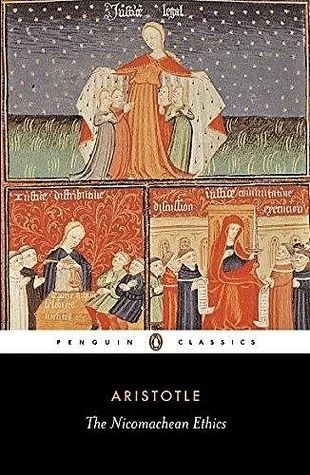
Aristotle argues that the ultimate human goal is eudaimonia, a state of flourishing achieved through living in accordance with reason. To reach this, he categorizes virtues into two types: intellectual and moral. He presents the doctrine of the mean, defining moral excellence as a balanced point between the extremes of deficiency and excess. For instance, courage sits between cowardice and recklessness. The text examines friendship, justice, and the necessity of habituation in developing a character capable of consistent, virtuous action.
Students of philosophy and individuals seeking a structured framework for decision-making read this book to understand the relationship between habit and character. Readers walk away with a taxonomy of human behaviors and a logical method for evaluating social ethics. It provides a blueprint for self-regulation, teaching that excellence is a practiced skill rather than an innate trait. This study offers a rational basis for defining a successful life through the lens of communal and personal responsibility.
- Language
- EN
Quotes by Aristotle
More →We are what we repeatedly do. Excellence, then, is not an act, but a habit.
Nicomachean Ethics