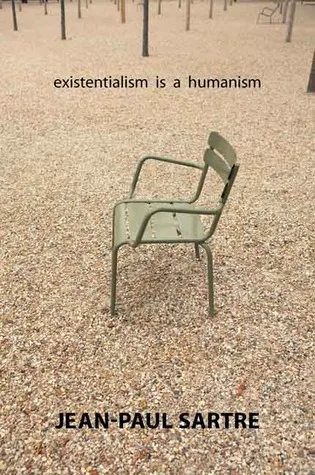
Modified from a transcript of his 1945 lecture, Sartre’s text defends existentialism against accusations of nihilism and quietism. He introduces the guiding principle that existence precedes essence, arguing that humans appear on the scene without a predefined blueprint or divine purpose. Because there is no fixed human nature, individuals possess total freedom to define themselves through their actions. Sartre details the resulting psychological states of anguish, abandonment, and despair, explaining that while we are condemned to be free, our private choices create a moral image for all of humanity.
This volume serves students of ethics and individuals seeking a secular framework for personal responsibility. Readers encounter a philosophical system that replaces external authority with radical autonomy. Those struggling with the absence of objective meaning find a method for constructing values through committed action rather than passive contemplation. By the end, the reader understands the necessity of self-invention and the direct link between individual agency and social accountability in a world without historical or religious determinism.
Deep; a moderate read.
Best for readers like The Deep Diver. Which reader are you?
Insights from Existentialism is a Humanism
“Existence precedes essence.”
Existence comes before any defined purpose. We show up here first. Then we spend our whole lives carving out who we are.
“In choosing for himself he chooses for all men.”
Living without a pre-written script feels heavy. Every choice I make feels like I am voting for how everyone should live. It makes every small action feel massive.
“Man is condemned to be free.”
Blaming circumstances or biology is just a way to hide. We are always free to choose how we react. That freedom can be terrifying.
“You are free, therefore choose, that is to say, invent.”
The story of the student choosing between his mother and the war stuck with me. No moral code can give you the right answer. You just have to pick and own it.
- Published
- 1946
- Language
- EN
Quotes by Jean-Paul Sartre
More →Hell is other people.
No Exit
Man is condemned to be free; because once thrown into the world, he is responsible for everything he does.
Being and Nothingness