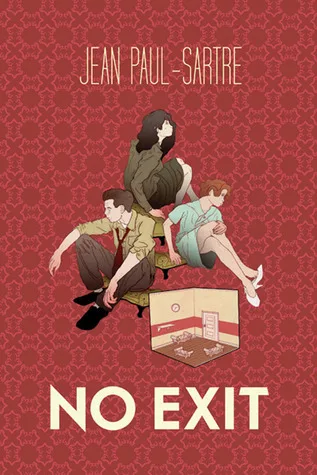
Set in a single room furnished with Second Empire sofas, the play follows three deceased individuals—Garcin, Inès, and Estelle—as they realize they are their own torturers. They initially expect physical punishment, but soon discover that hell consists of the inescapable gaze of others. Through quick dialogue and psychological maneuvering, the characters confront their cowardice, cruelty, and vanity. Sartre uses this scenario to demonstrate that human identity depends on external perception, stripping away the privacy that allows people to maintain their self-deceptions.
Readers interested in philosophical existentialism choose this text to analyze the tension between personal freedom and the judgment of society. It attracts those who want to understand how the presence of other people restricts individual choice and defines one's character. The reader walks away with a clear understanding of the concept of "the look" and the realization that human existence is defined by actions rather than intentions. It provides a framework for viewing social interaction as a constant struggle for autonomy.
Deep, open-ended and thought-provoking; a moderate read.
Best for readers like The Literary Connoisseur. Which reader are you?
- Published
- 1944
- Language
- EN
Quotes by Jean-Paul Sartre
More →Hell is other people.
No Exit
Man is condemned to be free; because once thrown into the world, he is responsible for everything he does.
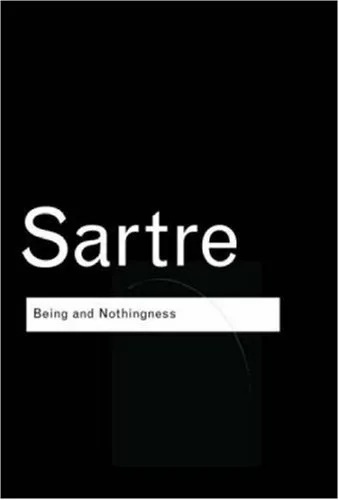
Being and Nothingness