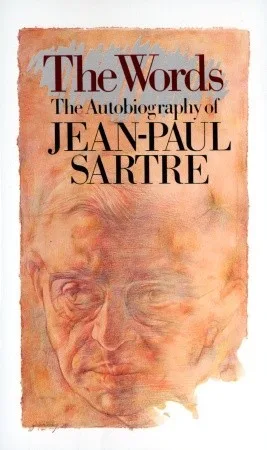
Jean-Paul Sartre recreates the first ten years of his life to examine how a bourgeois upbringing shaped his intellectual path. He divides the narrative into two sections, Reading and Writing, focusing on his childhood in a house filled with his grandfather's library. He analyzes his early retreat into literature as a defense against a sense of personal insignificance. By documenting his role-playing as a child prodigy, Sartre exposes the performative nature of his youth and his eventual reliance on the written word to justify his own existence.
This text attracts readers interested in existential psychiatry and the psychological development of intellectuals. It serves those who want to understand how early social environments and family expectations dictate a person’s adult identity. Readers observe a philosopher deconstructing his own ego and the myth of literary greatness. The audience walks away with a clear perspective on how the search for purpose through creative labor can become an obsession that replaces direct engagement with reality.
Deep, inward-looking and contemplative; a moderate read.
Best for readers like The Mindful Reader. Which reader are you?
- Published
- 1963
- Language
- EN
Quotes by Jean-Paul Sartre
More →Hell is other people.
No Exit
Man is condemned to be free; because once thrown into the world, he is responsible for everything he does.
Being and Nothingness
More by Jean-Paul Sartre
See all →
Books like The Words: The Autobiography of Jean-Paul Sartre
See all 12 →