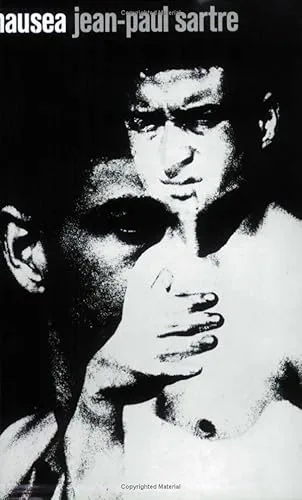
Antoine Roquentin, a secluded historian living in the port town of Bouvile, becomes obsessed with a visceral physical sensation he calls the Nausea. Through his diary entries, he documents how ordinary objects—a pebble, a glass of beer, or the gnarled root of a chestnut tree—suddenly lose their assigned meanings and cultural labels. He realizes that existence is unintentional and excessive, lacking any inherent necessity or divine blueprint. Sartre uses Roquentin’s psychological breakdown to demonstrate the transition from social complacency to the realization of absolute ontological contingency and radical human freedom.
This book serves students of existentialism and readers interested in the intersection of clinical psychology and phenomenology. It attracts those who feel alienated by societal structures and want to understand the philosophical basis for absurdity. Readers finish the text with a technical vocabulary for describing the weight of choice and the discomfort of existing without a predefined purpose. It provides a framework for recognizing how people use habit and social roles to hide from the reality of their own autonomy.
Deep, inward-looking, contemplative, open-ended and thought-provoking; a moderate read.
Best for readers like The Wisdom Collector. Which reader are you?
- Published
- 1938
- Language
- EN
Quotes by Jean-Paul Sartre
More →Hell is other people.
No Exit
Man is condemned to be free; because once thrown into the world, he is responsible for everything he does.
Being and Nothingness