Following the death of his father, the young King Henry V moves from a disorganized youth to a focused military commander. Claiming legal rights to the French throne, he launches an invasion that culminates in the Battle of Agincourt. The play focuses on the logistics of siege warfare at Harfleur and the psychological pressure of leading an exhausted, outnumbered army against the French nobility. Shakespeare uses a recurring Chorus to narrate shifts in time and location, detailing the specific political alliances and violent consequences of international conflict.
This play serves readers interested in the mechanics of political leadership and the ethics of state-sanctioned violence. Historians and literature students study the text to analyze the transition from feudal loyalty to national identity. The reader gains a technical understanding of high-stakes rhetoric and the burden of decision-making during wartime. Following the conclusion, the reader possesses a clear view of how a monarch balances personal morality with the pragmatic requirements of maintaining an empire.
Deep and thought-provoking; a moderate read.
Best for readers like The Deep Diver. Which reader are you?
- Published
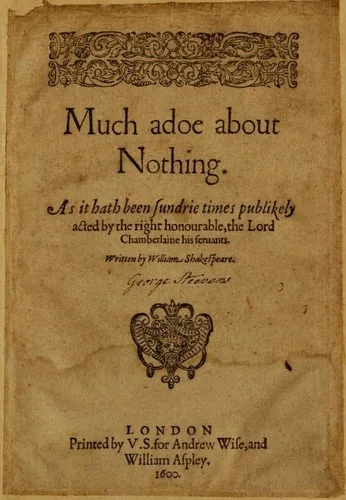
- 1600
- Language
- EN
Quotes by William Shakespeare
More →Hell is empty and all the devils are here.
The Tempest
The fault, dear Brutus, is not in our stars, but in ourselves.
Julius Caesar
What's past is prologue.
The Tempest