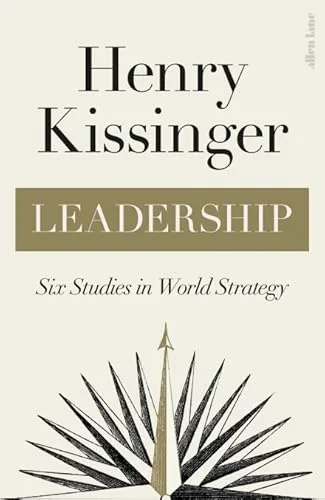
Henry Kissinger analyzes the intersection of individual character and national strategy through the lives of six twentieth-century leaders: Konrad Adenauer, Charles de Gaulle, Richard Nixon, Anwar Sadat, Lee Kuan Yew, and Margaret Thatcher. He identifies two distinct modes of leadership: the statesman, who manages existing institutions to achieve incremental progress, and the prophet, who imagines a new reality and disrupts the status quo to reach it. The book examines how these figures applied specific concepts like the strategy of humility, the strategy of transcendence, and the strategy of excellence to navigate systemic crises and shift the global balance of power.
This book serves diplomats, historians, and executives seeking to understand how high-stakes decision-making functions during periods of transition. Readers gain a framework for evaluating geopolitical risks and the psychological requirements of long-term planning. By studying these case studies, the reader acquires a perspective on how personal conviction and historical awareness shape international relations and organizational longevity. It provides tools for discerning when to maintain stability and when to pursue radical structural change.
- Published
- 2022
- Language
- EN