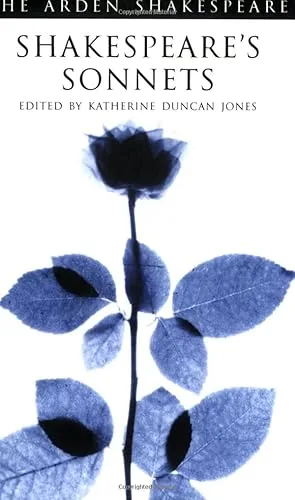
This sequence of 154 sonnets follows a tripartite structure involving three distinct figures. The first 126 poems address a Fair Youth, urging him to marry and reproduce to preserve his beauty against the erosion of time. These verses eventually shift into a deep emotional obsession and a meditation on the permanence of art. The focus then turns to a Dark Lady, a mistress who provokes feelings of lust, self-loathing, and jealousy. Finally, the collection concludes by referencing Cupid and the destructive nature of desire. Shakespeare utilizes the fourteen-line structure to present logical arguments regarding aging, mortality, and the fickleness of affection.
Serious readers of classical literature and poets study this work to observe the technical mechanics of the English sonnet form. They analyze the intricate use of iambic pentameter and the volta—the rhetorical shift in the final couplet. Readers gain a comprehensive understanding of early modern perspectives on social hierarchy and romantic attachment. The collection provides a framework for recognizing how wordplay and metaphor can illustrate the psychological conflict between physical impulse and intellectual devotion.
Deep, inward-looking, contemplative and open-ended; a demanding read.
Best for readers like The Wisdom Collector. Which reader are you?
- Published
- 1609
- Language
- EN
Quotes by William Shakespeare
More →There is nothing either good or bad, but thinking makes it so.
Hamlet
What's past is prologue.
The Tempest
The fault, dear Brutus, is not in our stars, but in ourselves.
Julius Caesar