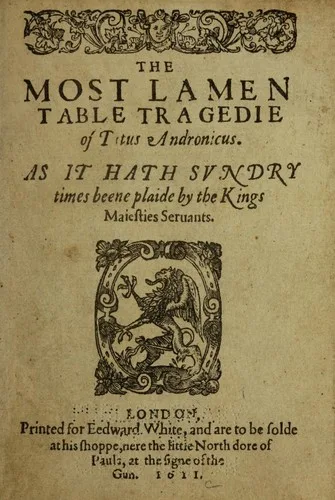
Titus Andronicus returns to Rome after a decade of war against the Goths, bringing Queen Tamora and her sons as prisoners. The cycle of vengeance begins when Titus sacrifices Tamora’s eldest son to appease his own fallen children. In retaliation, Tamora, now Empress of Rome, and her lover Aaron the Moor orchestrate a campaign of systemic destruction against the Andronici family. The plot centers on extreme physical violations, including the rape and mutilation of Titus’s daughter Lavinia and the eventual cooking of human flesh served at a banquet.
Readers of Elizabethan drama and Roman history study this tragedy to examine the intersection of political collapse and unchecked private retribution. It serves as a stark look at the breakdown of civil law in favor of primitive blood feuds. Those who engage with the text walk away with a specific understanding of how Shakespeare utilized the Seneca-influenced revenge tradition to portray the physical disintegration of the human body as a metaphor for a decaying state.
Growth-minded; a moderate read.
Best for readers like The Story Seeker. Which reader are you?
- Published
- 1594
- Language
- EN
Quotes by William Shakespeare
More →Hell is empty and all the devils are here.
The Tempest
The fault, dear Brutus, is not in our stars, but in ourselves.
Julius Caesar
What's past is prologue.
The Tempest