Books like How We Became Posthuman
12 books with a reading profile close to How We Became Posthuman by N. Katherine Hayles. Deep and open-ended; a demanding read.
-
1
The History of Sexuality, Volume 1: An Introduction
Also deep and open-ended · philosophy, academic
Michel Foucault challenges the repressive hypothesis, which argues that Western society has silenced talk of sex since the Victorian era.
-
2
Critique of Pure Reason
Also deep and open-ended · philosophy, academic
Kant investigates the limits of human cognition by distinguishing between what we perceive through the senses and things as they exist independently of observation.
-
3
The Indivisible Remainder
by Slavoj Zizek
Also deep and open-ended · philosophy, academic
Slavoj Zizek positions F.W.J.
-
4
On the Genealogy of Morals
Also deep and open-ended · philosophy, academic
Friedrich Nietzsche challenges the evolution of Western ethics by tracing the psychological origins of good and evil.
-
5
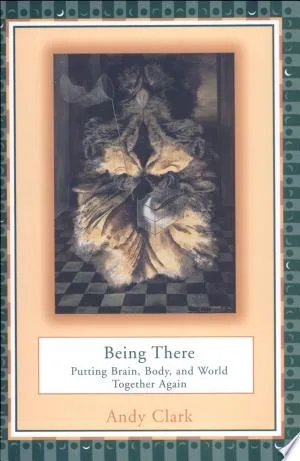
Being There
by Andy Clark
Also deep and open-ended · philosophy, academic
Andy Clark argues that human intelligence does not reside solely within the skull but emerges from the coordination of brain, body, and environment.
-
6
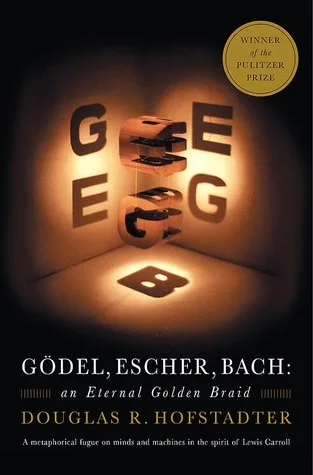
Gödel, Escher, Bach: An Eternal Golden Braid
Also deep and open-ended · philosophy, academic
Douglas Hofstadter explains how self-referential systems produce conscious intelligence through a framework of strange loops.
-
7
Being and Nothingness
Also deep and open-ended · philosophy, academic
Jean-Paul Sartre argues that human existence is defined by a fundamental gap between the conscious self, or being-for-itself, and the inert world of objects, known as being-in-itself.
-
8
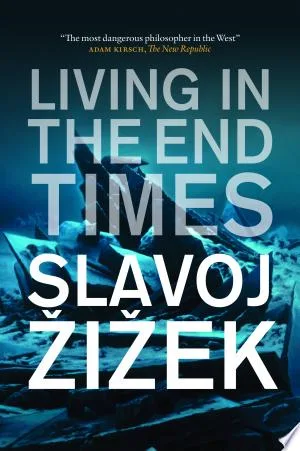
Living in the End Times
by Slavoj Žižek
Also deep and open-ended · philosophy, academic
Slavoj Žižek uses Elisabeth Kübler-Ross’s five stages of grief—denial, anger, bargaining, depression, and acceptance—to categorize the global response to what he identifies as the terminal crisis of contemporary capital…
-
9
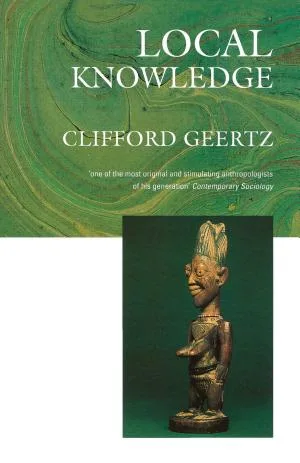
Local Knowledge
Also deep and open-ended · philosophy, academic
In this collection of essays, Clifford Geertz argues that human thought is fundamentally tied to specific cultural settings rather than universal abstract laws.
-
10
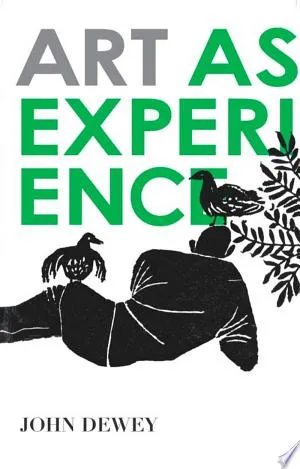
Art as Experience
by John Dewey
Also deep and open-ended · philosophy, academic
John Dewey argues that art is not a finished object stored in a museum, but a continuous process of human interaction with the environment.
-
11
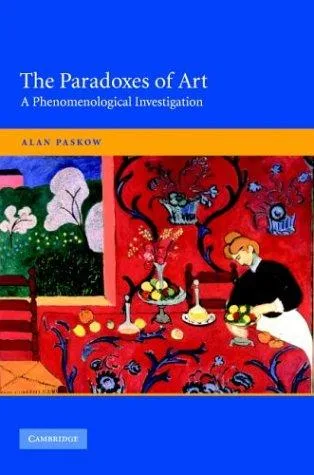
The Paradoxes of Art
by Alan Paskow
Also deep and open-ended · philosophy, academic
In "The Paradoxes of Art," Alan Paskow addresses the ontological status of fictional entities and why humans feel genuine emotions toward characters they know do not exist.
-
12
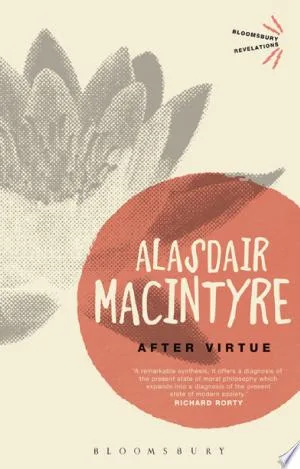
After Virtue
Also deep and open-ended · philosophy, academic
Alasdair MacIntyre argues that contemporary moral discourse is in a state of terminal disarray because the Enlightenment project failed to provide a rational justification for objective morality.
Get picks matched to your own reading on papr.
Get papr
