Books like The Authoritarian Personality
12 books with a reading profile close to The Authoritarian Personality by Theodor Adorno, Else Frenkel-Brenswik, Daniel J. Levinson, R. Nevitt Sanford. Deep and open-ended; a demanding read.
-
1
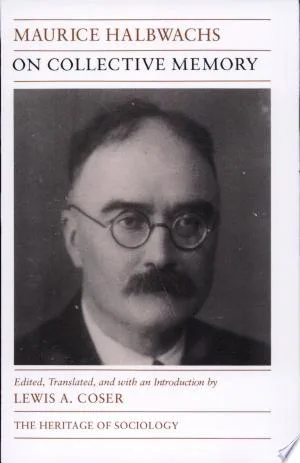
On Collective Memory
Also deep and open-ended · academic, dense
In this collection of essays, Maurice Halbwachs argues that human memory is a social process rather than a purely individual psychological function.
-
2
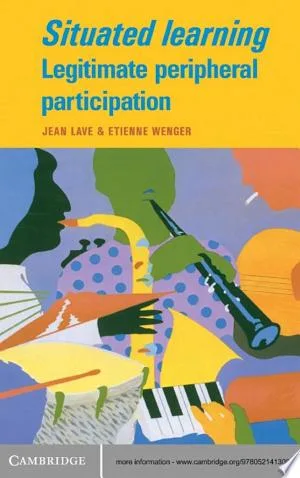
Situated Learning
Also deep · academic, dense
Jean Lave and Etienne Wenger propose that learning is an inherently social phenomenon rather than a private, cognitive acquisition of information.
-
3

-
4
The Interpretation of Dreams
Also deep and open-ended · academic, dense
Sigmund Freud argues that dreams are the disguised fulfillment of repressed infantile wishes.
-
5
-
6
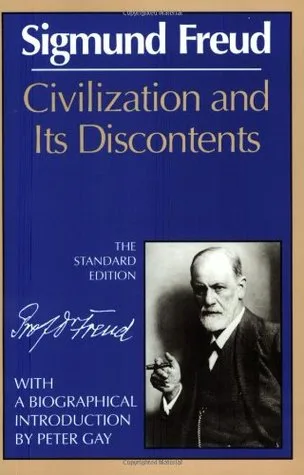
Civilization and Its Discontents
Also deep · academic, dense
In this foundational work, Sigmund Freud argues that an inherent friction exists between human biological drives and the regulations of organized society.
-
7
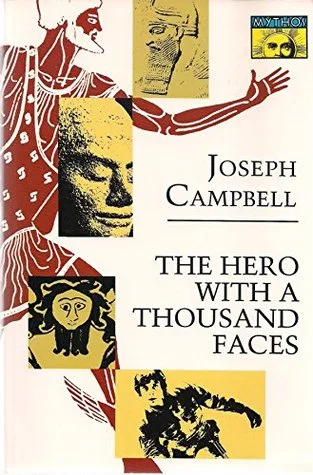
The Hero With a Thousand Faces
Also deep and open-ended · academic, dense
Joseph Campbell argues that a single structural pattern, the monomyth, underpins the sacred stories and legends of civilizations across history.
-
8
Handbook of Self-Regulation
by Monique Boekaerts, Paul R Pintrich
Also deep · academic, dense
This handbook centralizes diverse research regarding how individuals monitor and control their cognition, emotions, and behaviors to achieve specific goals.
-
9
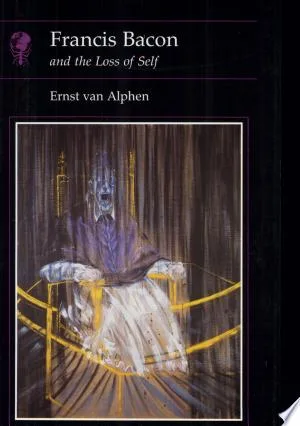
Francis Bacon and the Loss of Self
Also deep and open-ended · academic, dense
Ernst van Alphen shifts the focus of Francis Bacon’s scholarship from the depicted agony within the frame to the psychological impact exerted upon the observer.
-
10
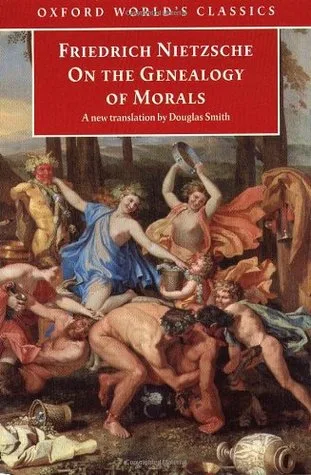
On the Genealogy of Morals
Also deep and open-ended · academic, dense
Friedrich Nietzsche challenges the evolution of Western ethics by tracing the psychological origins of good and evil.
-
11
Being and Nothingness
Also deep and open-ended · academic, dense
Jean-Paul Sartre argues that human existence is defined by a fundamental gap between the conscious self, or being-for-itself, and the inert world of objects, known as being-in-itself.
-
12
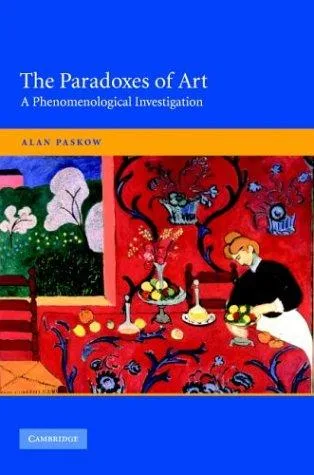
The Paradoxes of Art
by Alan Paskow
Also deep and open-ended · academic, dense
In "The Paradoxes of Art," Alan Paskow addresses the ontological status of fictional entities and why humans feel genuine emotions toward characters they know do not exist.
Get picks matched to your own reading on papr.
Get papr
