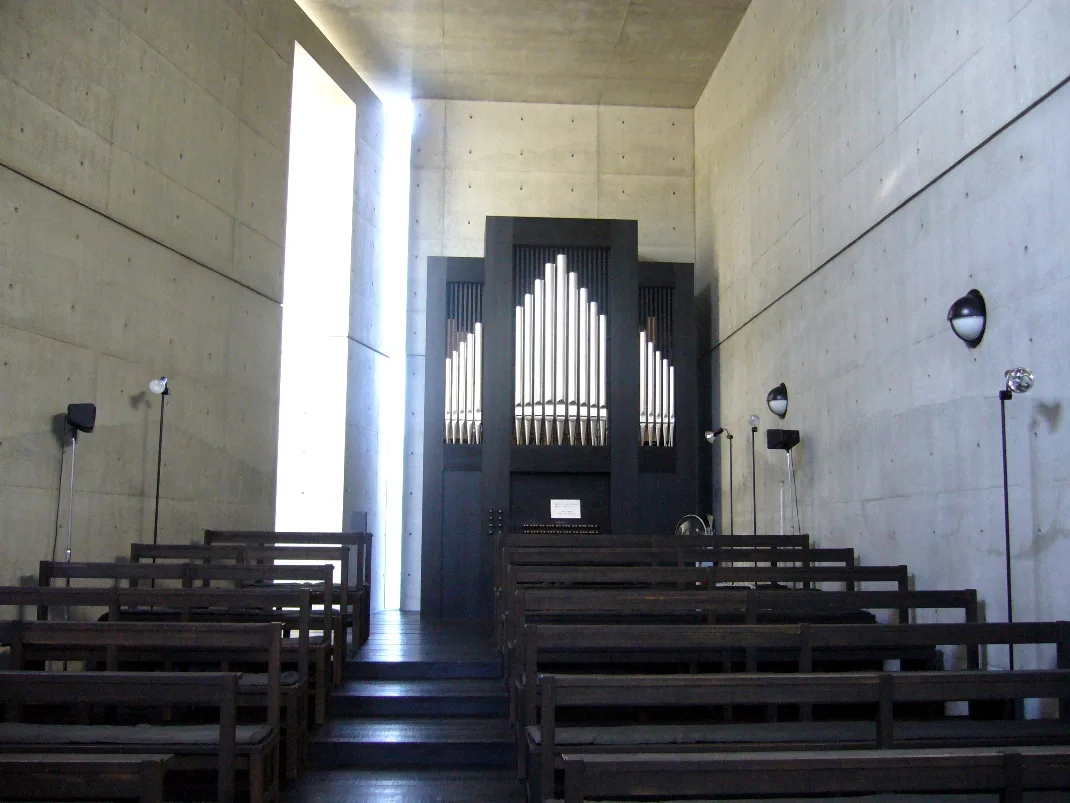
Tadao Ando taught himself architecture by visiting buildings around the world. He never went to architecture school. His Church of the Light in Osaka is a concrete box with a cross-shaped slit that le...
Architecture — Buildings, Cities, and How They Shape Us
The buildings around us quietly decide what our lives feel like. A hallway can change a conversation; a plaza can change a city. The drops here are notes on architects, movements, and specific buildings — the ones worth knowing whether or not you plan to visit them. Architecture is the art form you live inside, even if you never think about it.
Tadao Ando taught himself architecture by visiting buildings around the world. He never went to architecture school. His Church of the Light in Osaka is a concrete box with a cross-shaped slit that le...
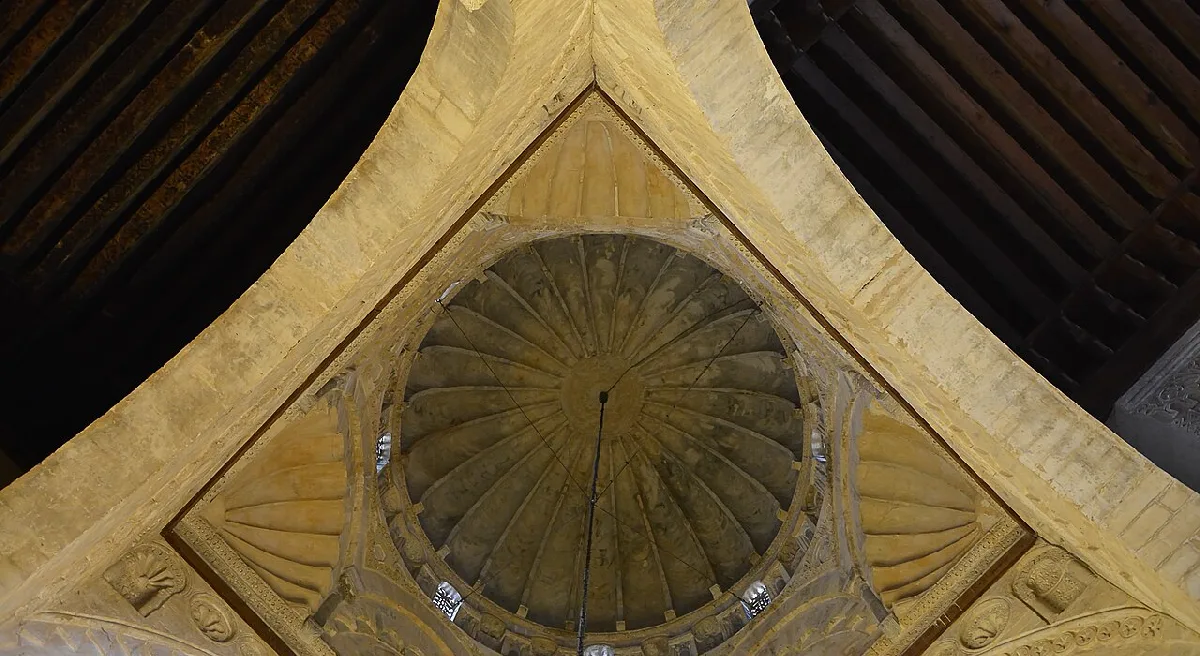
The Djenne Mosque in Mali is the largest mud-brick building in the world. Every year after the rainy season, the entire town gathers to replaster it by hand. The festival has been happening for over 6...
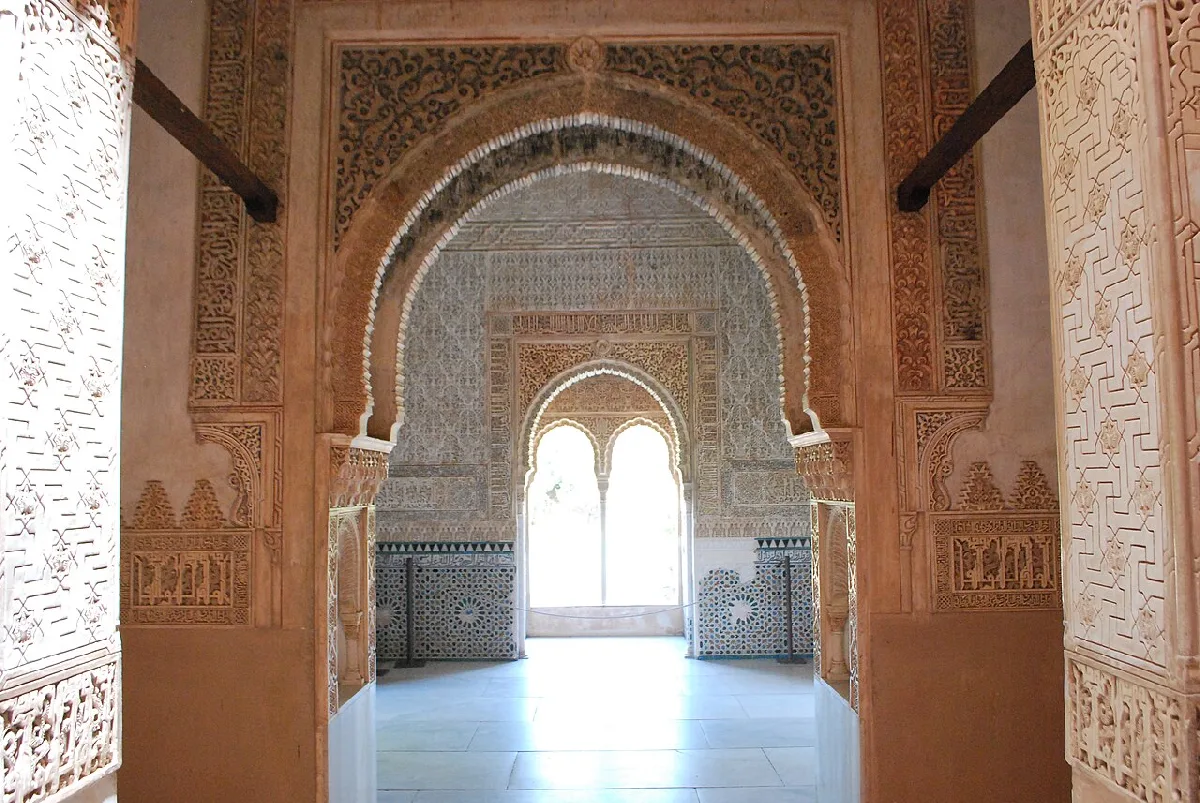
The Alhambra in Granada was built by rulers who couldn't use images of people or animals, so every surface is covered in geometric patterns and calligraphy. The inscriptions repeat one phrase hundreds...
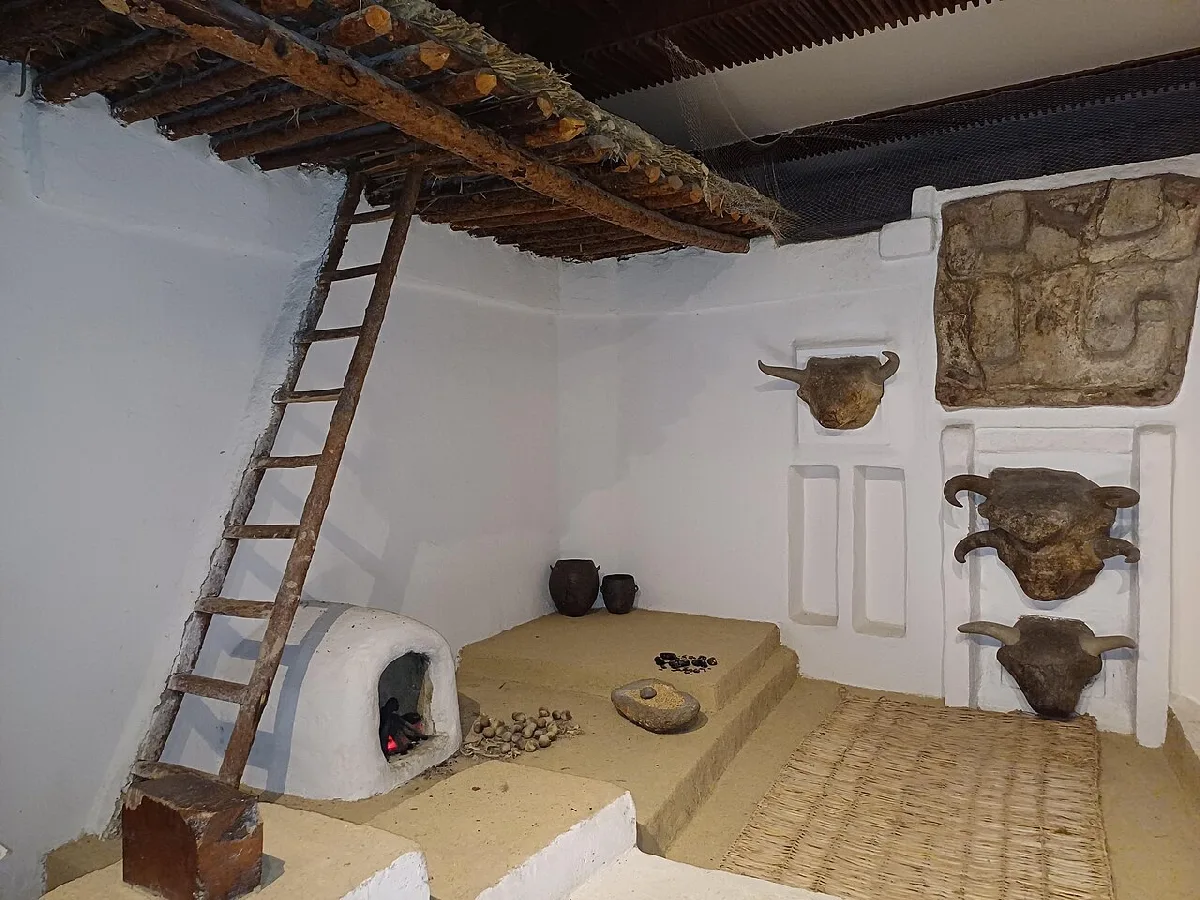
The ancient city of Catalhoyuk in Turkey, occupied from 7500 to 5700 BC, had no streets. Houses were packed wall to wall and entered through holes in the roof. Residents walked across each other's roo...
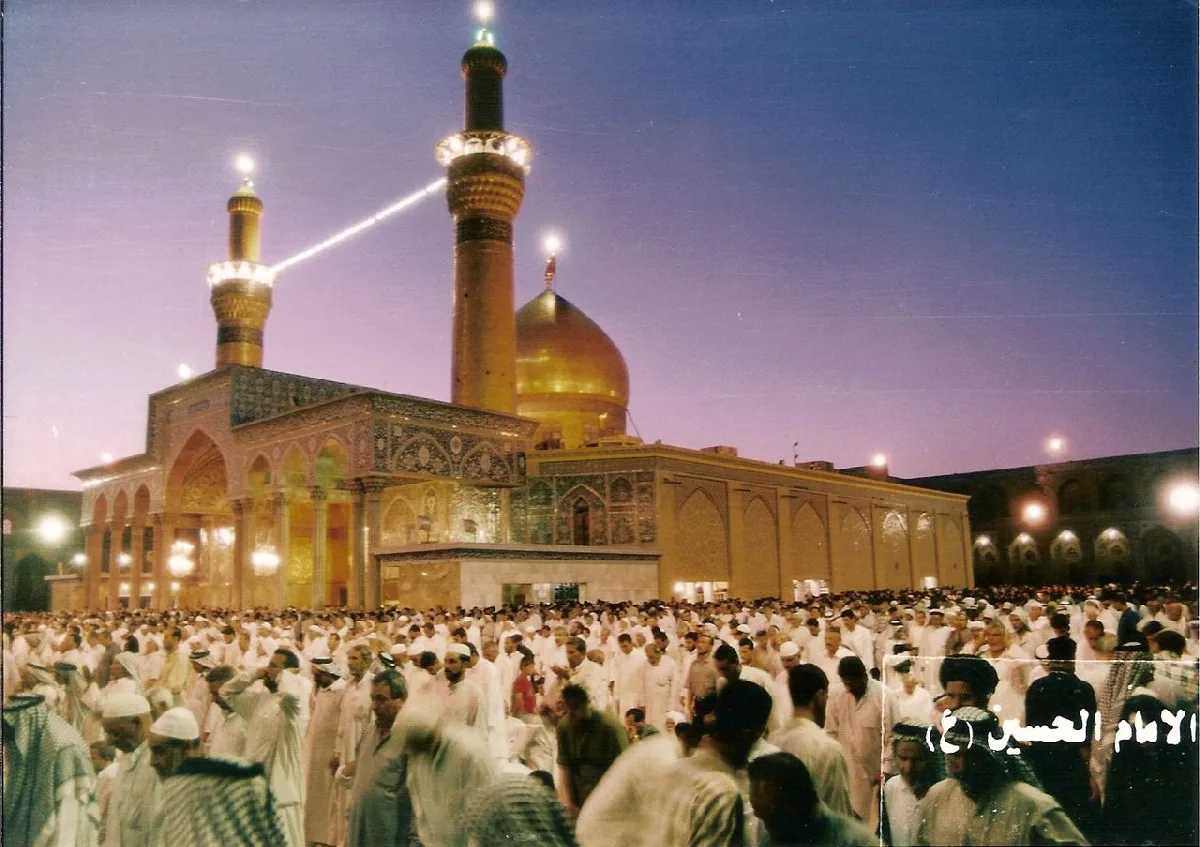
The Imam Mosque in Isfahan was built at a 45-degree angle to the square in front of it so it could face Mecca while the square faced the city grid. The solution created a twisted entrance corridor cov...
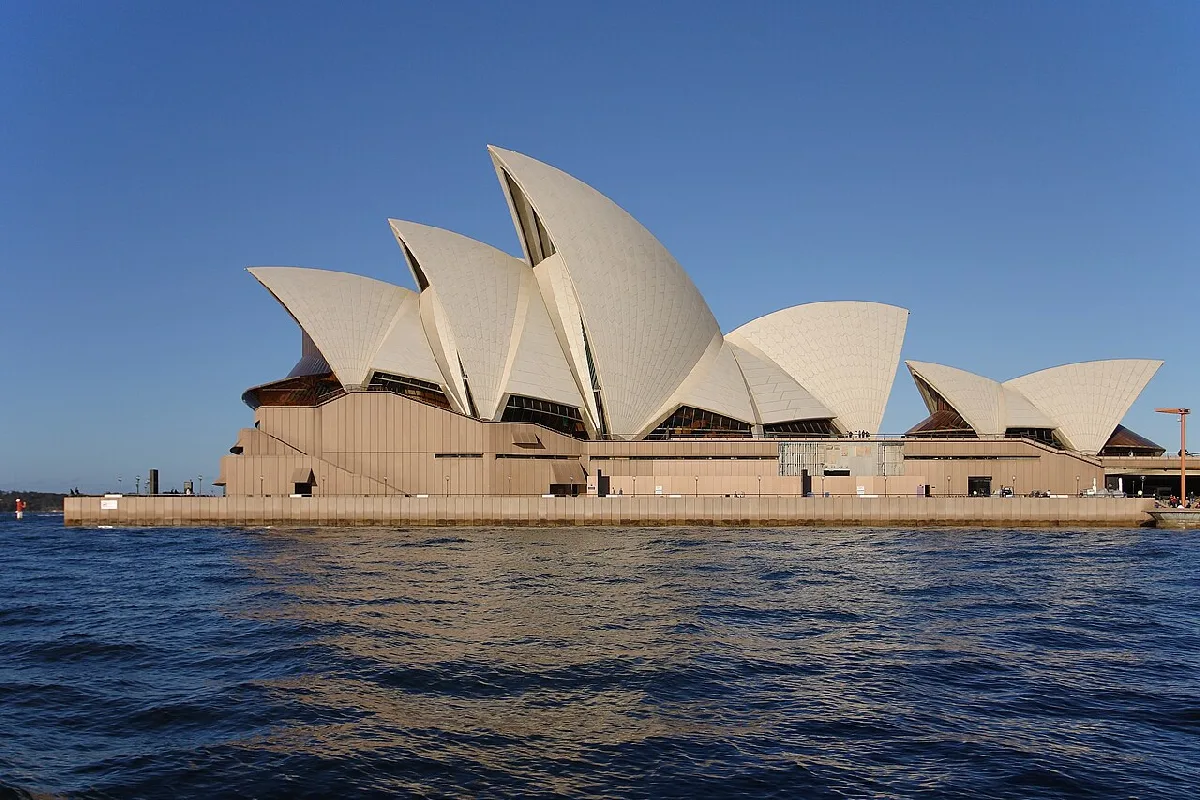
Jorn Utzon won the competition to design the Sydney Opera House with a sketch so rough the judges almost threw it out. Construction took 16 years and went 1,400% over budget. Utzon was fired before it...
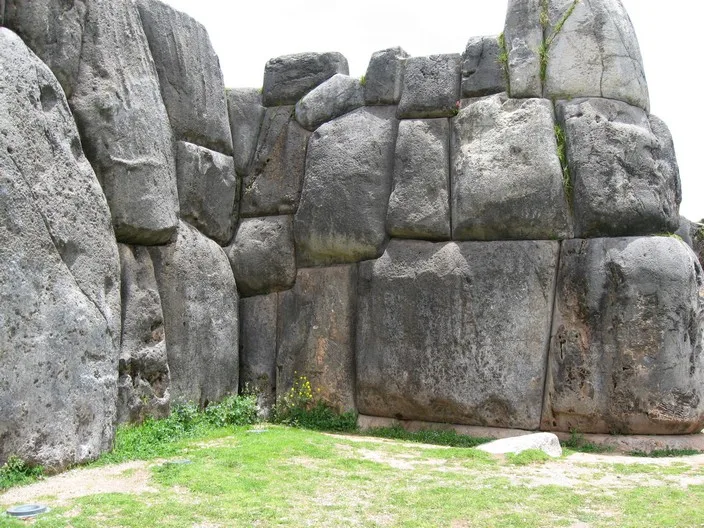
The Incan fortress of Sacsayhuaman near Cusco is built from stones weighing up to 200 tons, fitted together so precisely that a sheet of paper cannot pass between them. No mortar was used. No one has...
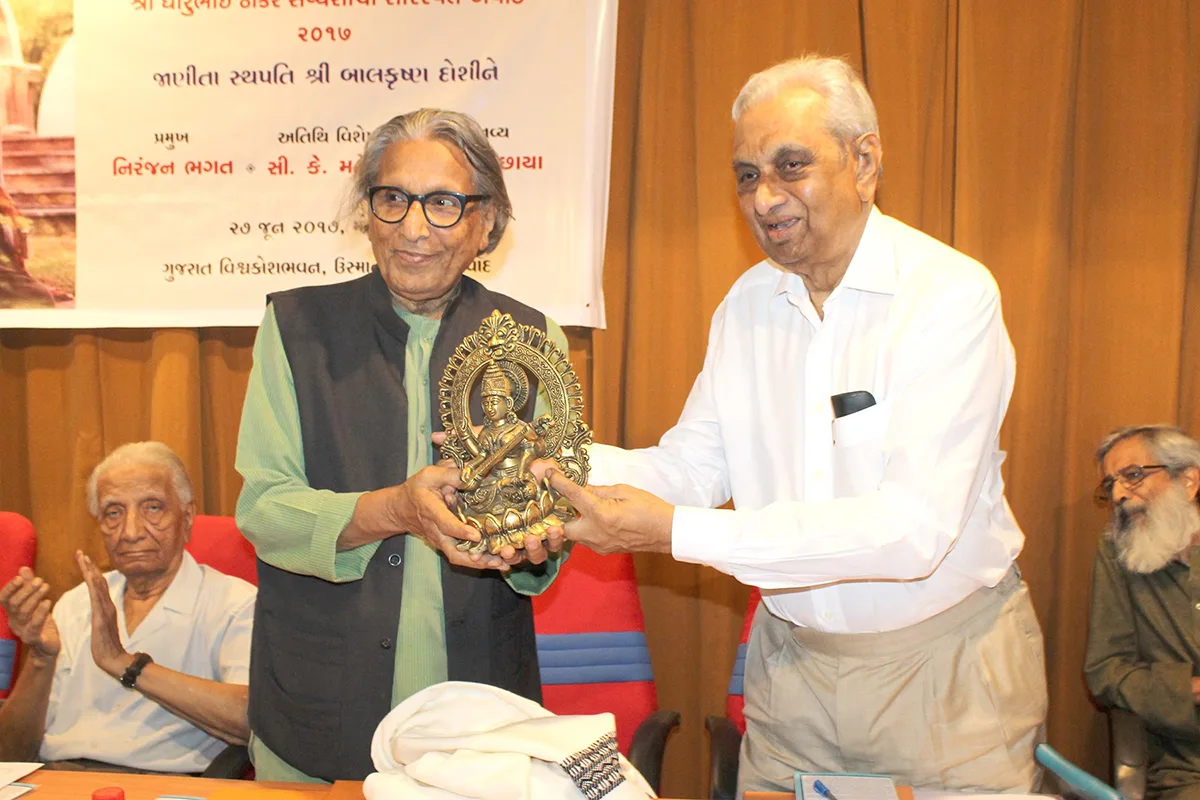
Balkrishna Doshi worked with Le Corbusier in India, then spent decades designing low-cost housing for the poor in Ahmedabad. His Aranya housing project provides homes for 80,000 people. He won the Pri...
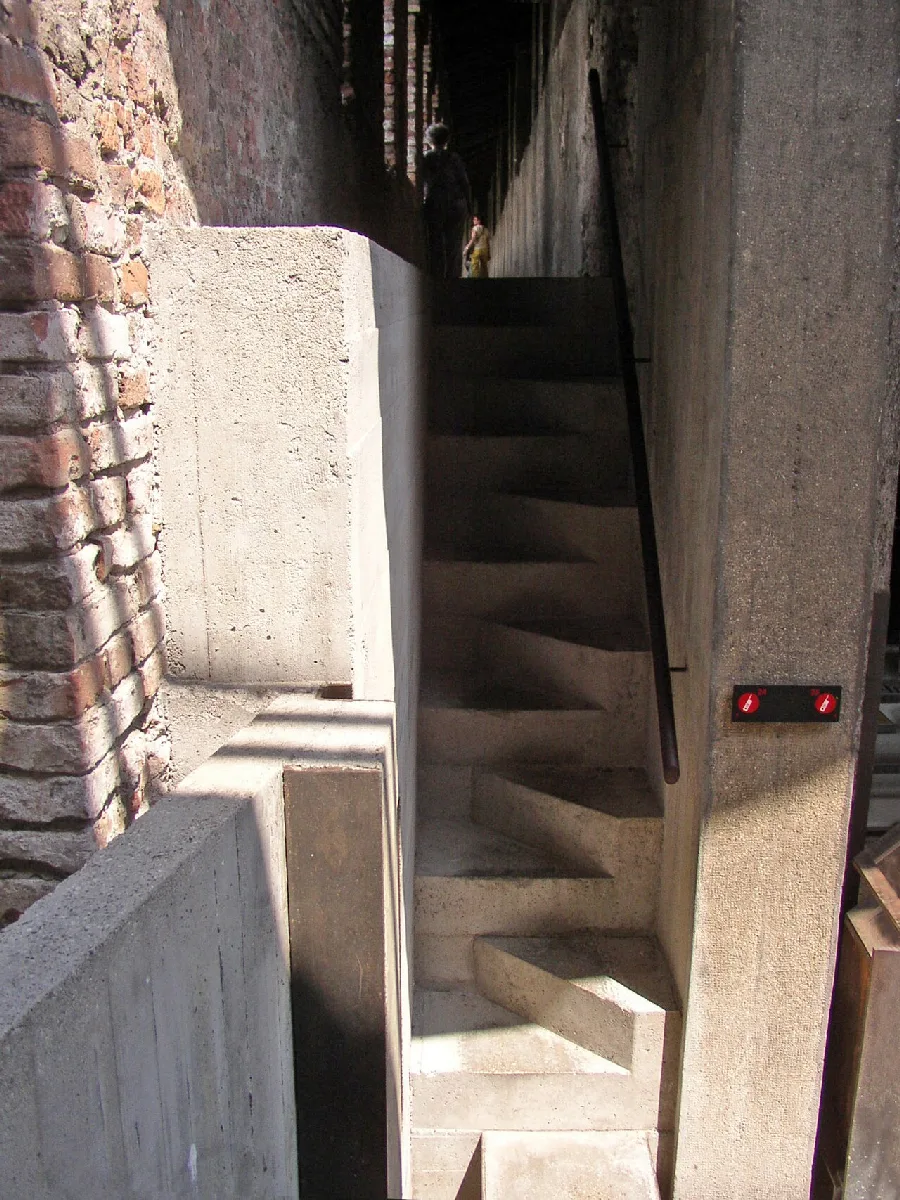
Carlo Scarpa restored the Castelvecchio museum in Verona by exposing every layer of the building's history: Roman walls, medieval brick, Renaissance plaster. He never hid a repair. Each junction betwe...
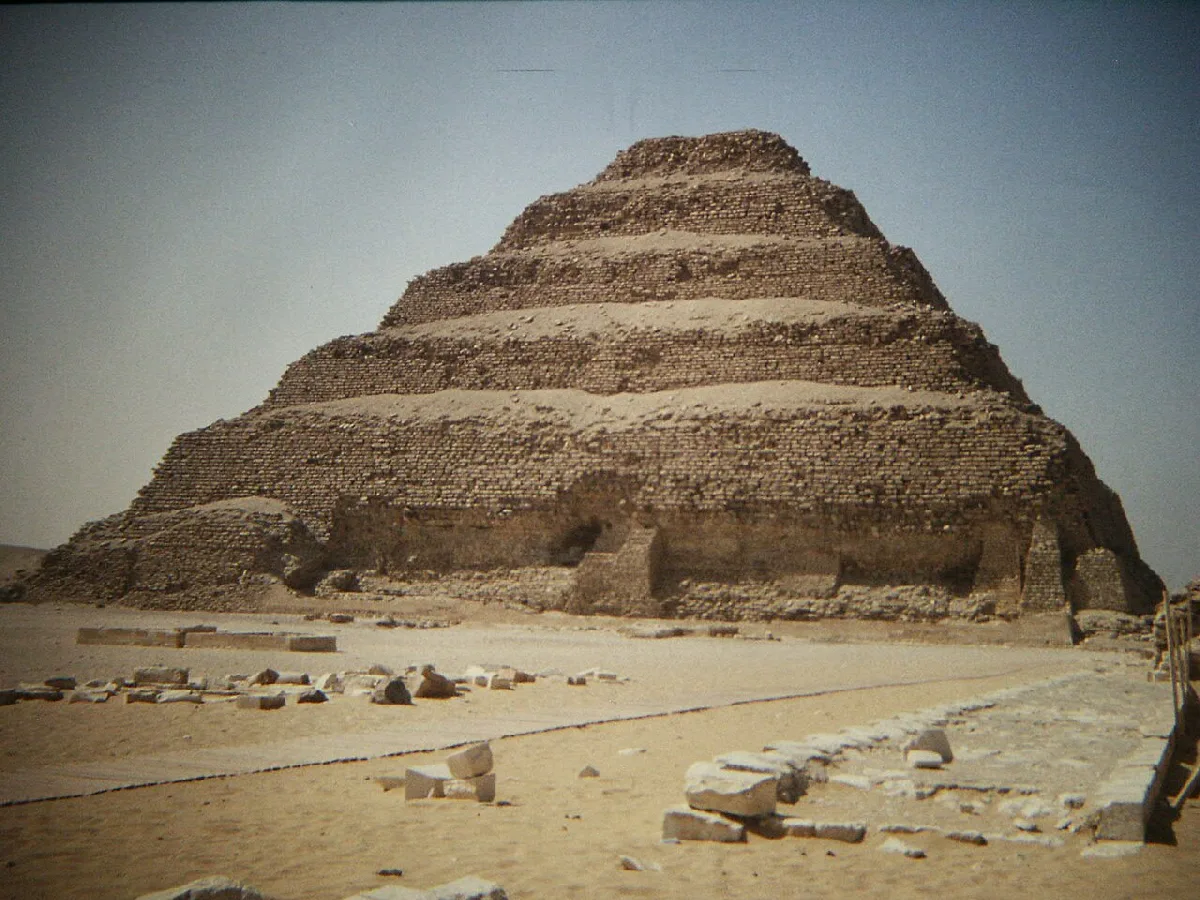
The Step Pyramid at Saqqara, built around 2670 BC, was designed by Imhotep, the first architect in recorded history whose name we know. He was also a physician and was later worshipped as a god. He st...
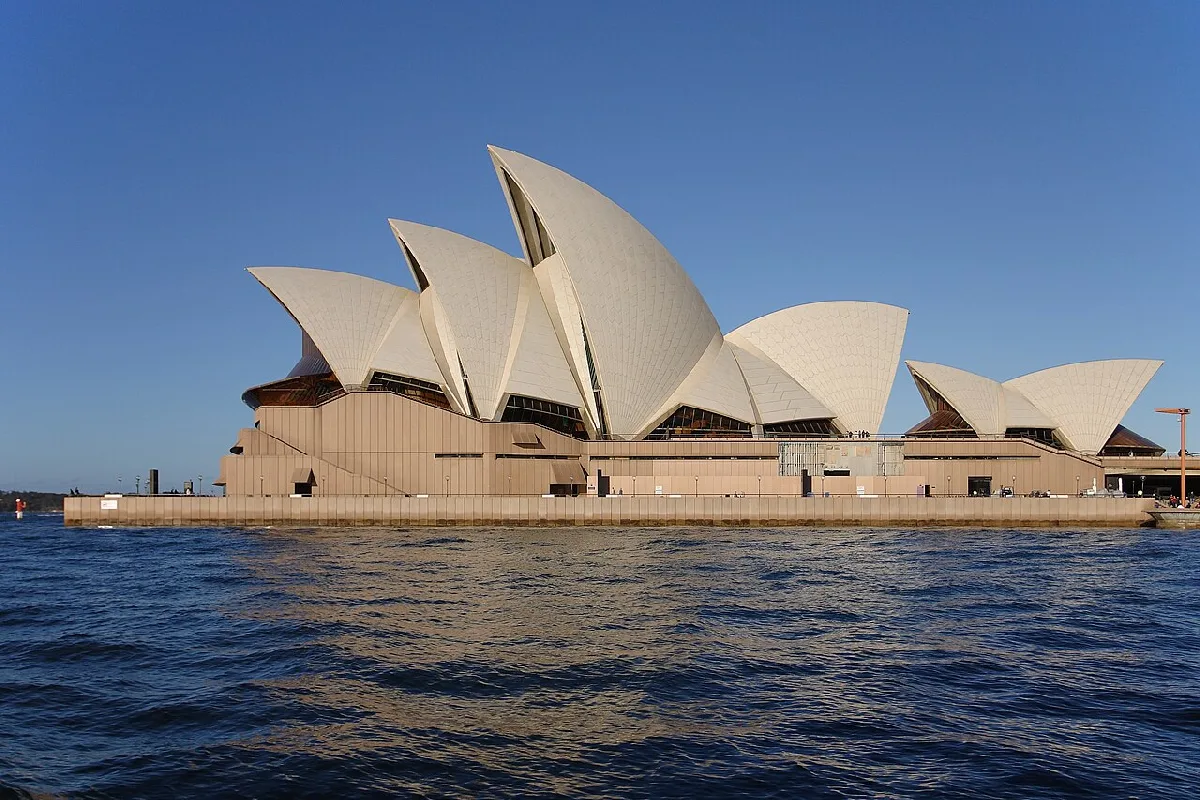
Jorn Utzon won the Sydney Opera House competition in 1957 with a design nobody knew how to build. The engineering took 16 years. Utzon was forced out during construction and never saw the finished bui...
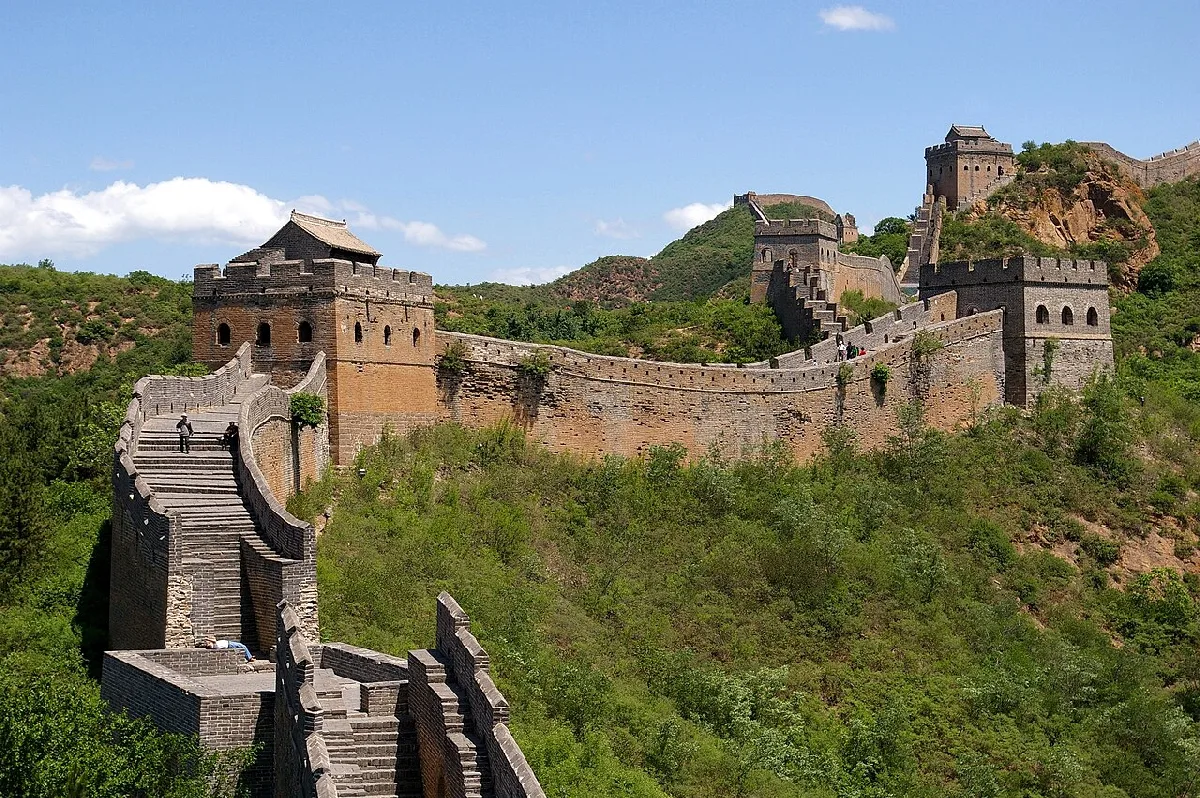
The Great Wall of China was not built all at once. It was assembled over 2,000 years by multiple dynasties, each with different reasons. Some sections are 1,500 miles apart and were never connected. T...
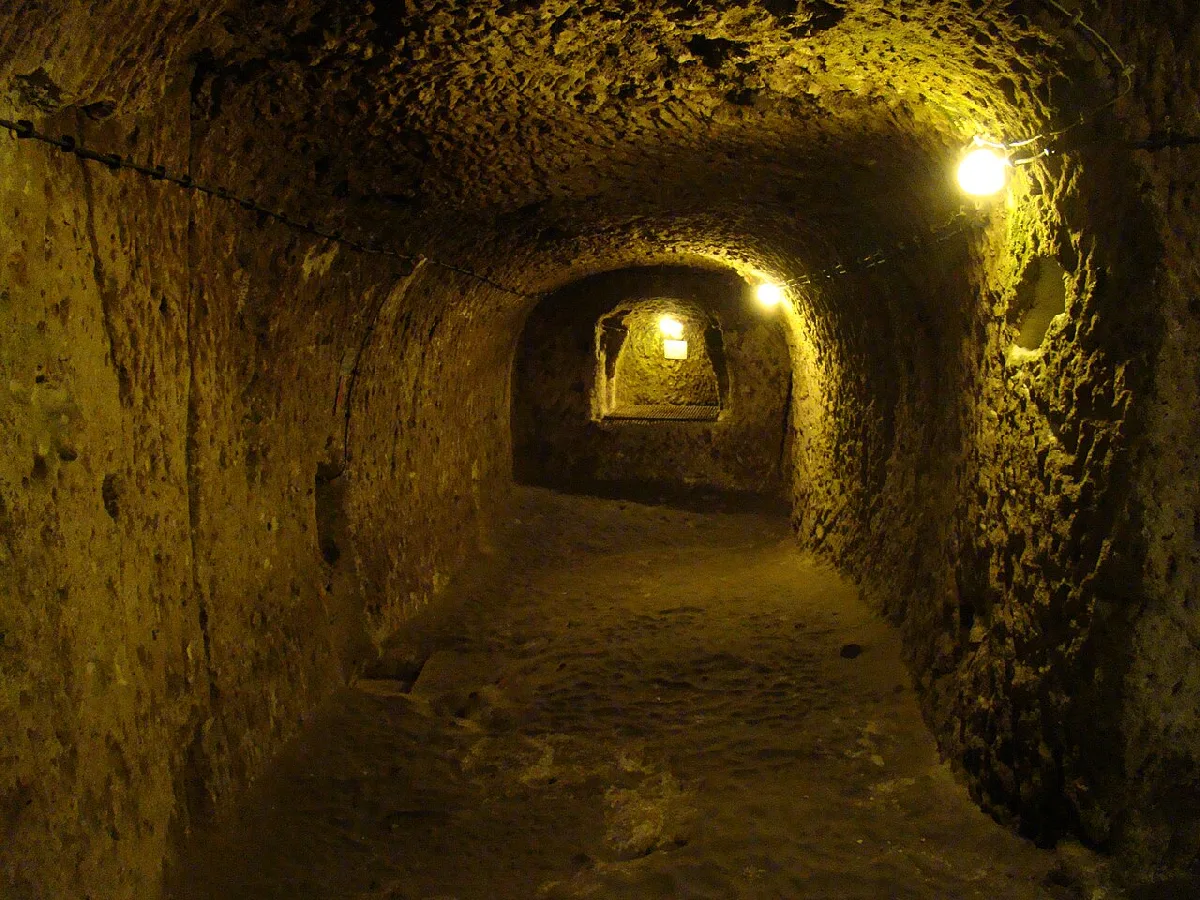
The underground city of Derinkuyu in Turkey goes 18 stories deep and could shelter 20,000 people. It had wine cellars, schools, and churches. It was carved entirely by hand, starting around the 8th ce...
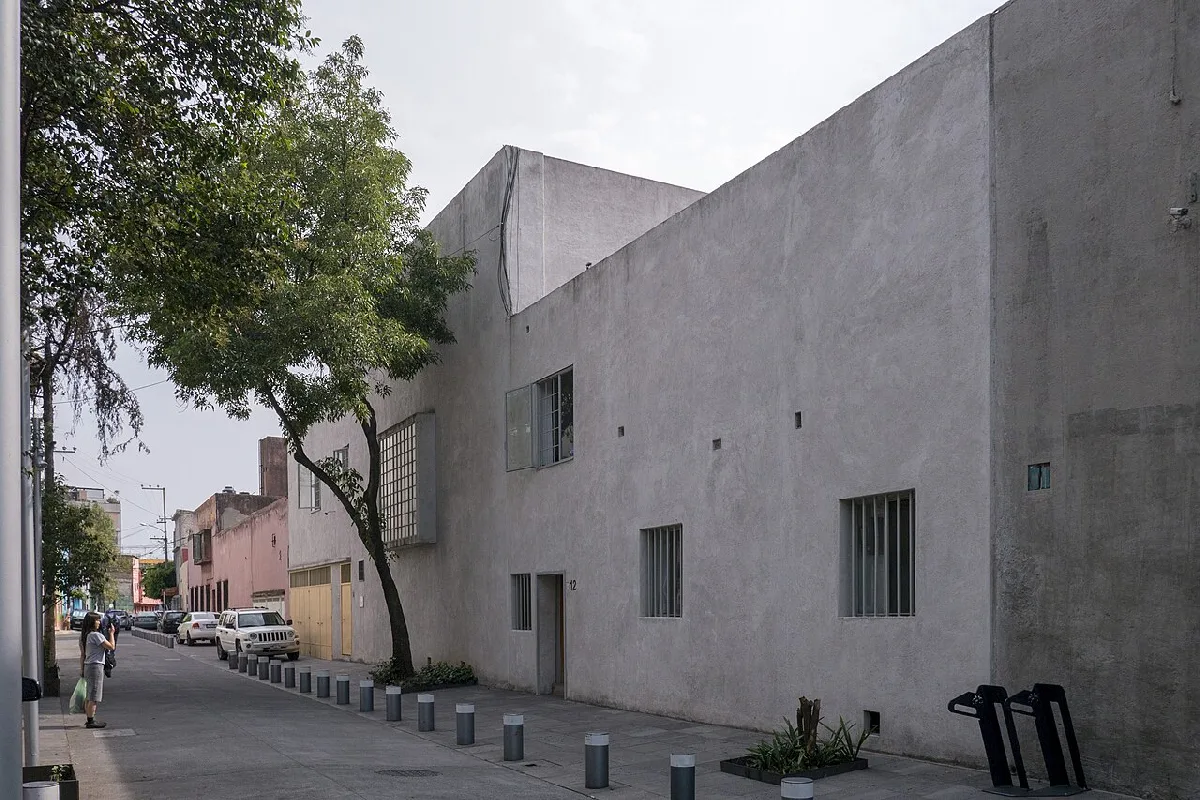
Architect Luis Barragan used no decorative elements. Just colored walls and light. His house in Mexico City, built in 1948, looks like it was designed yesterday. When he won the Pritzker Prize, he sai...
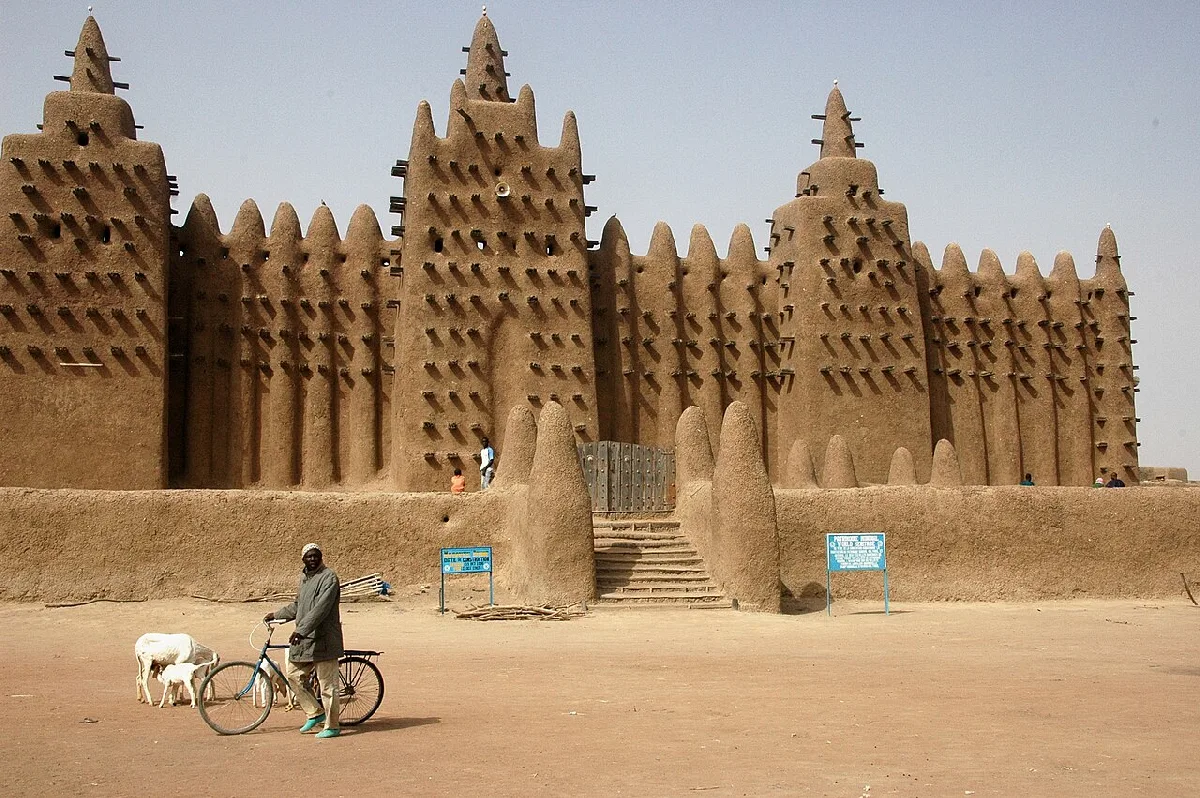
The Mosque of Djenne in Mali is the largest mud-brick building on Earth. Every year after the rainy season, the entire town replasters it by hand in a single day. The festival is called the Crepissage...

Zaha Hadid submitted over 100 competition entries before winning her first built project. Judges called her designs unbuildable. She was the first woman to win the Pritzker Prize. When asked about bei...
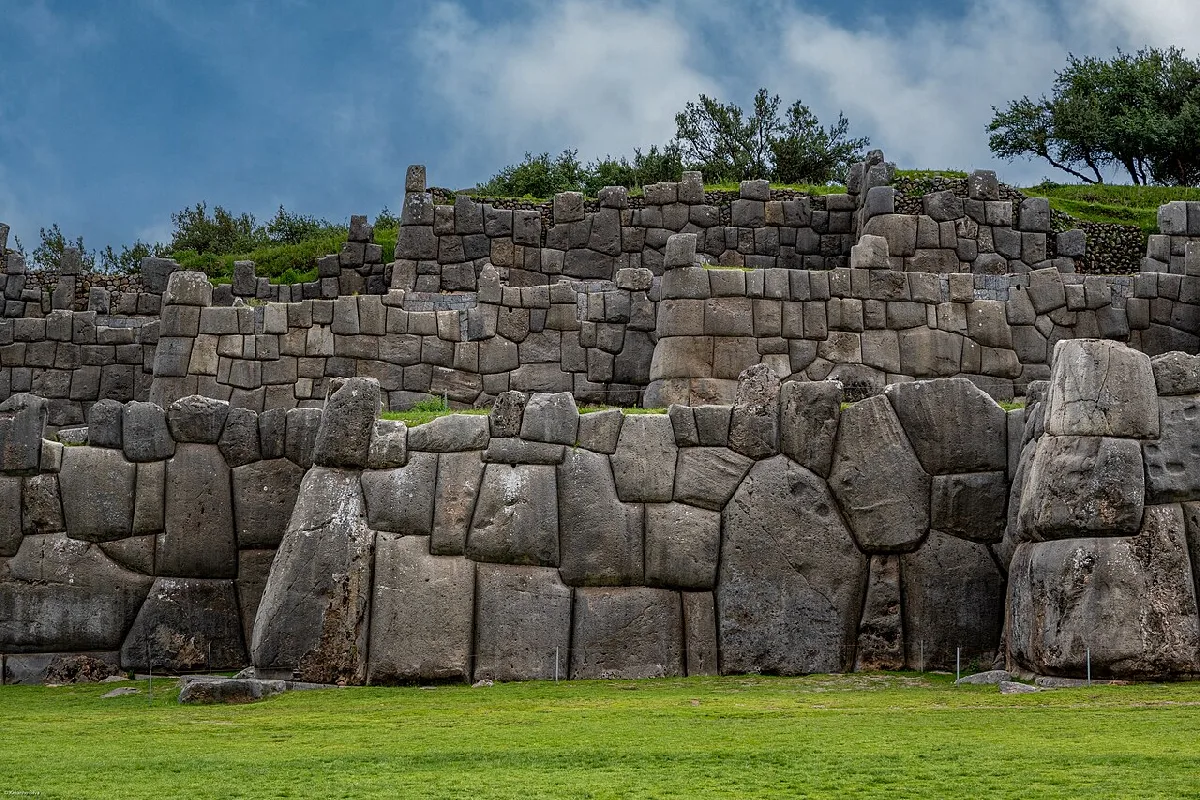
The Incas built Sacsayhuaman from stones weighing up to 200 tons, fitted so precisely that a piece of paper cannot slide between them. They used no mortar and no iron tools. The technique remains poor...
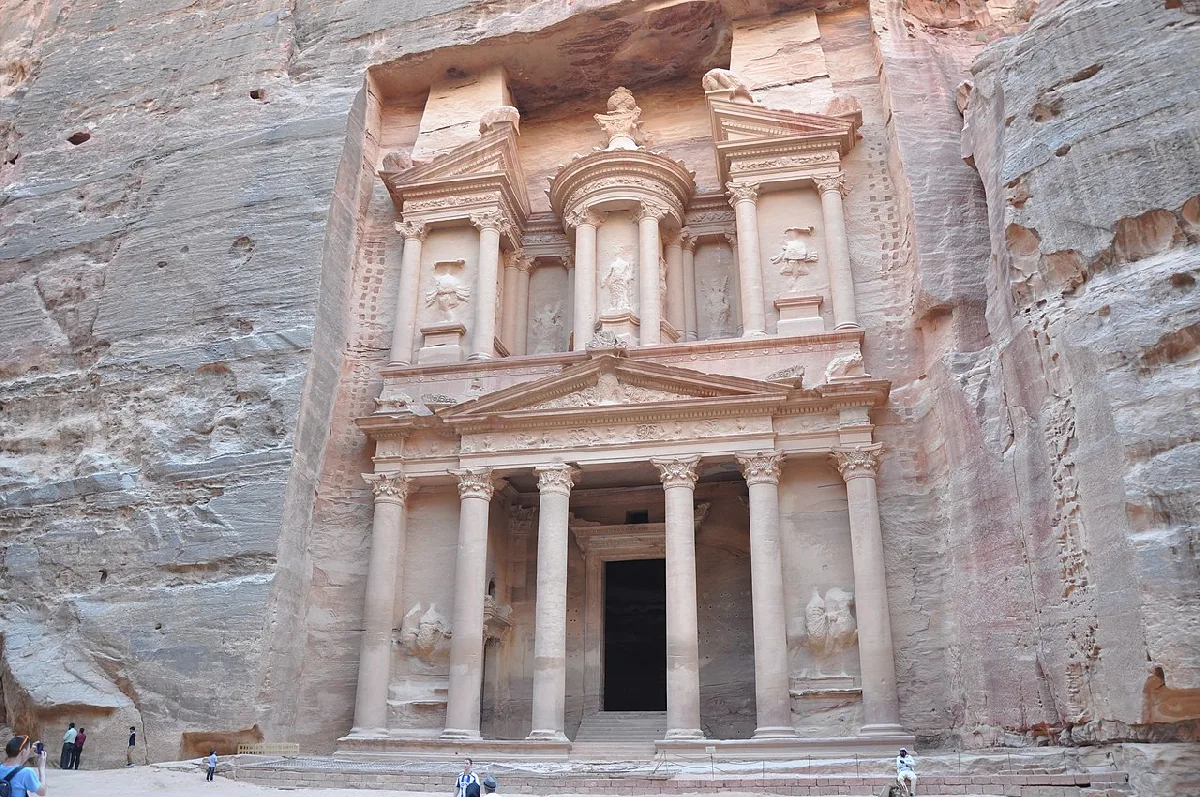
In the ancient Nabataean city of Petra, builders carved temples directly into sandstone cliffs. The most famous facade, Al-Khazneh, is 40 meters tall and was carved from top to bottom. There are no fo...
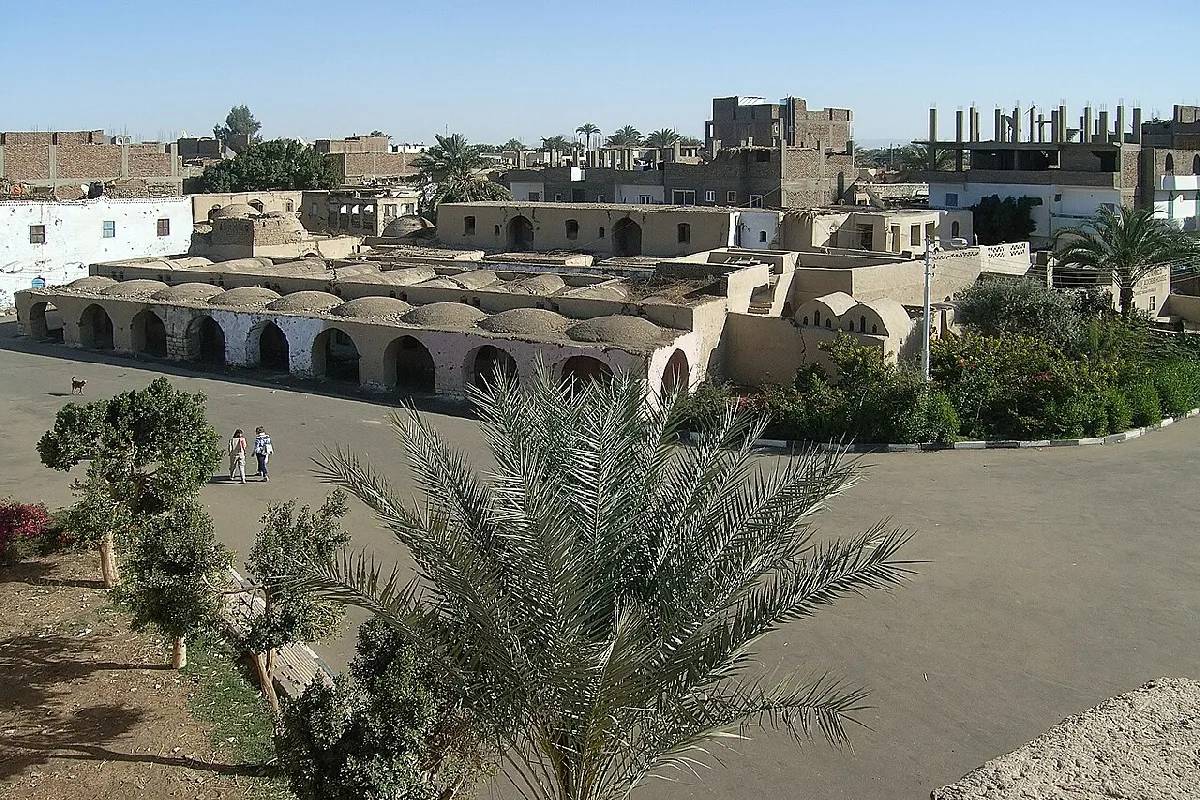
Hassan Fathy built New Gourna village in Egypt in 1948 using traditional mudbrick techniques that cost a fraction of modern construction. The architectural establishment dismissed him as backward. Tod...
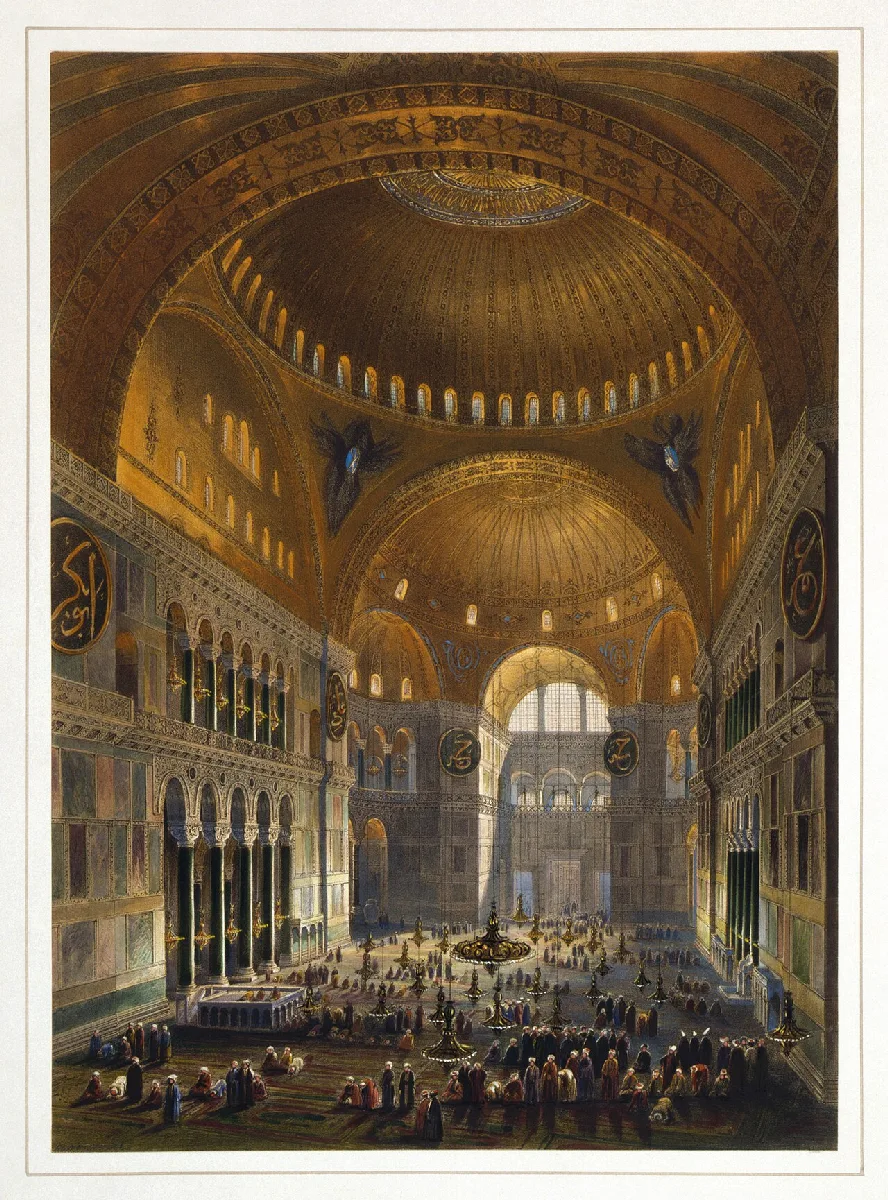
The Hagia Sophia has been a church, a mosque, a museum, and a mosque again across 1,500 years. Its dome was the largest in the world for nearly a thousand years. Four different civilizations claimed i...
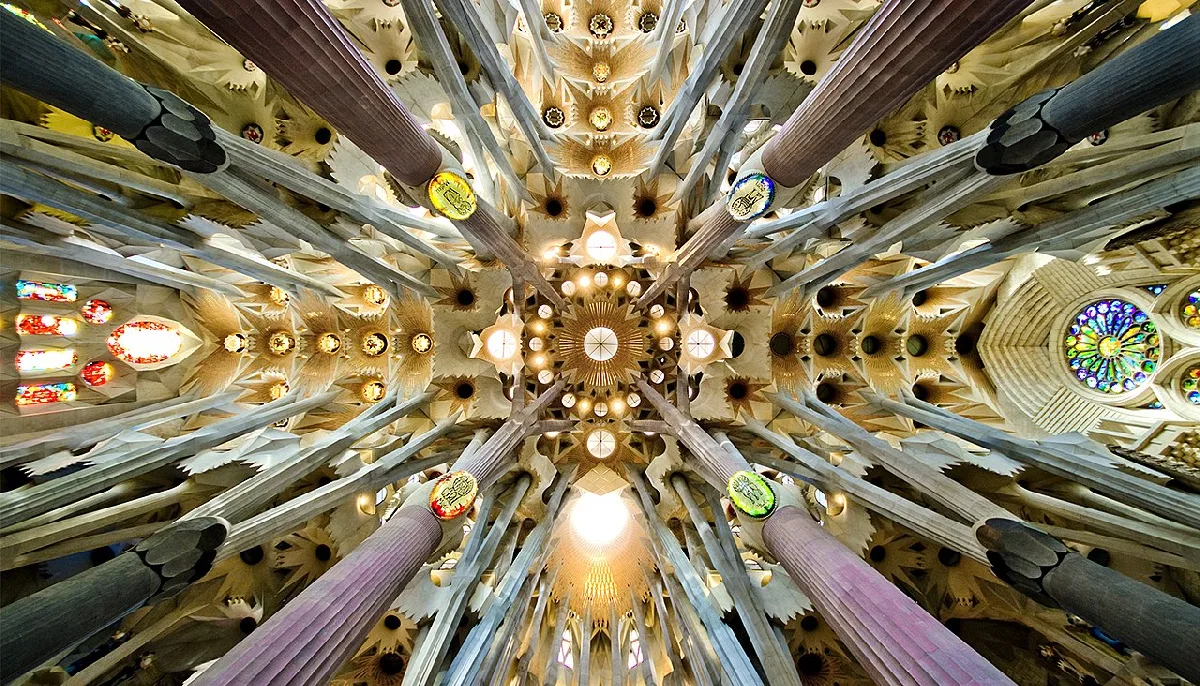
Gaudi never saw the Sagrada Familia finished. He knew he wouldn't. When asked why it was taking so long, he said: My client is not in a hurry. He meant God. Construction began in 1882 and is expected...
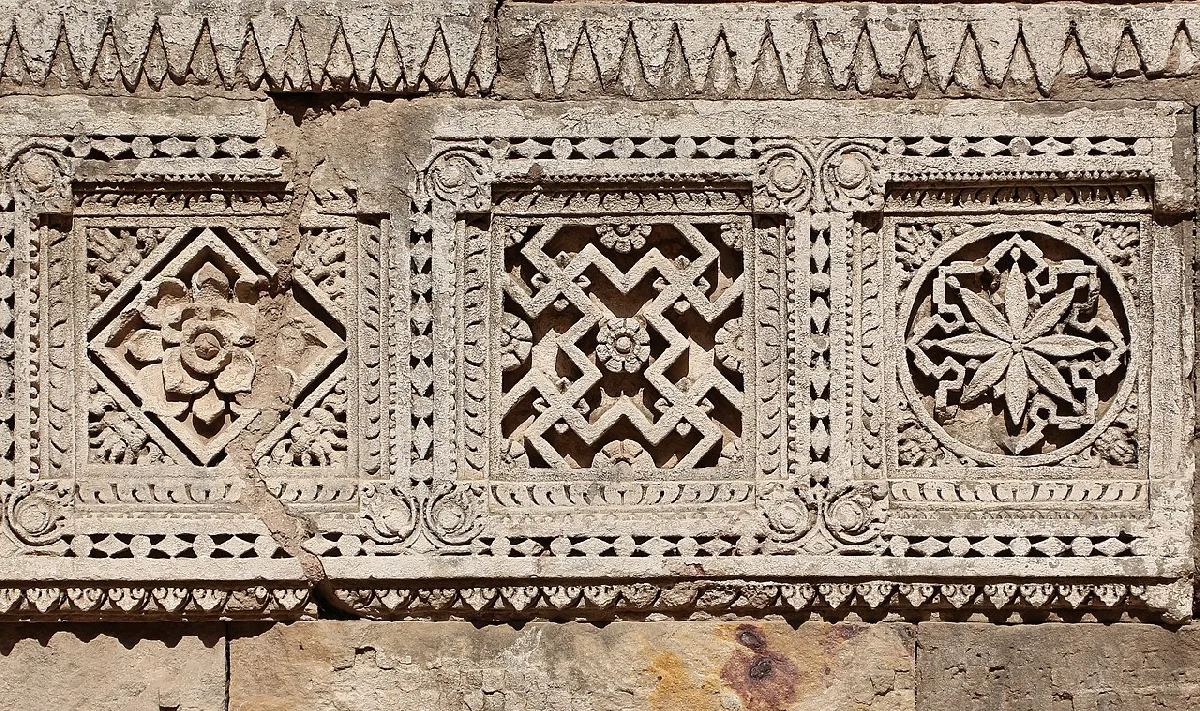
The stepwells of Gujarat, India, are inverted temples. Instead of building up, architects carved down into the earth, sometimes seven stories deep, with carved pillars and galleries lining the descent...
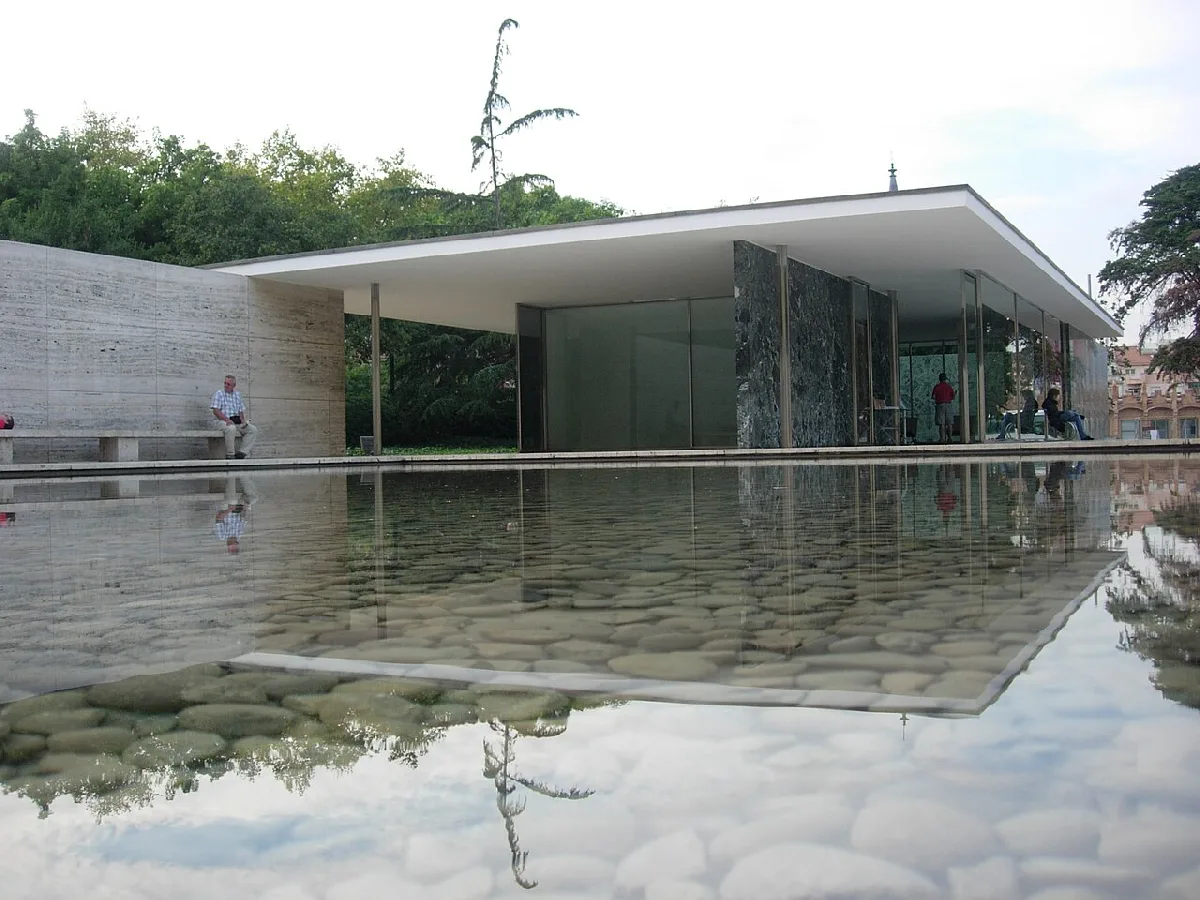
Mies van der Rohe designed the Barcelona Pavilion in 1929 as a temporary exhibition space. It was demolished after six months. Architects talked about it so obsessively for the next 50 years that Spai...
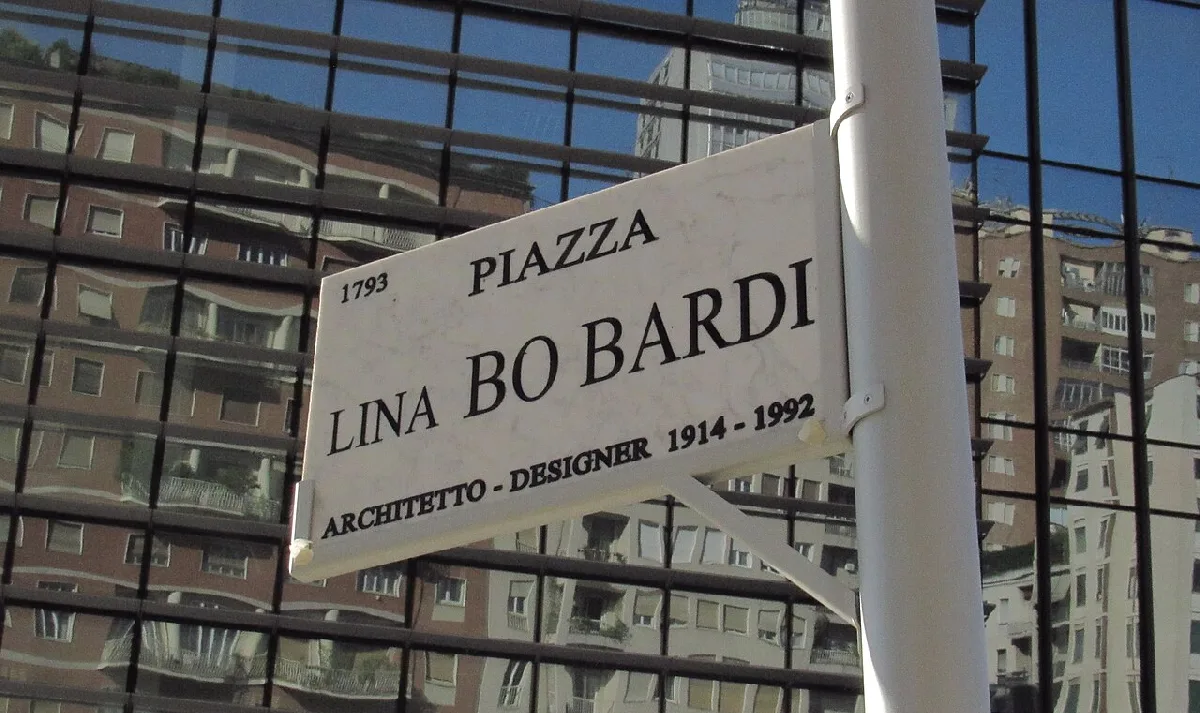
Architect Lina Bo Bardi, an Italian who moved to Brazil, designed MASP in Sao Paulo as a giant glass box suspended in the air by two red concrete frames. The space underneath is left completely open f...
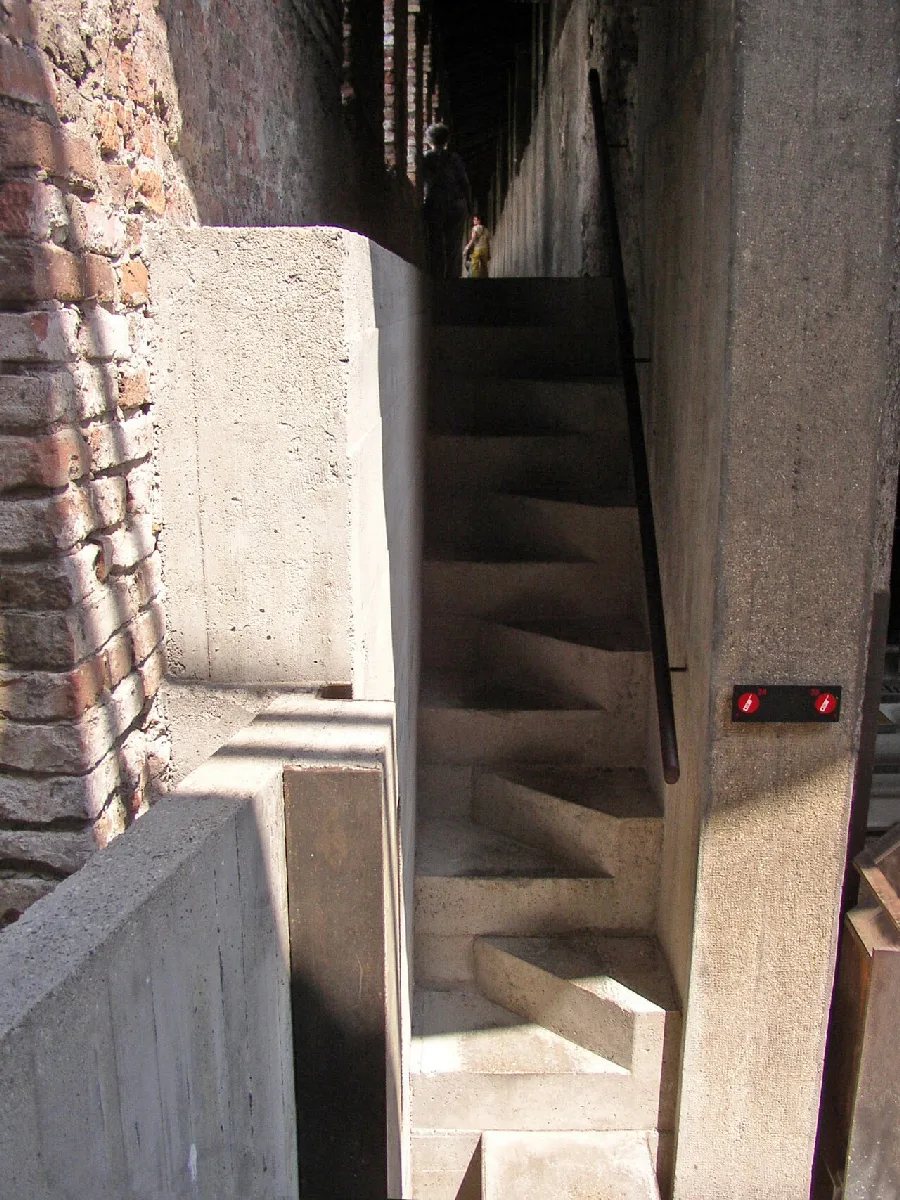
Carlo Scarpa renovated the Castelvecchio museum in Verona by leaving the original medieval walls exposed alongside his modern additions. He never hid where old ended and new began. Every joint, every...
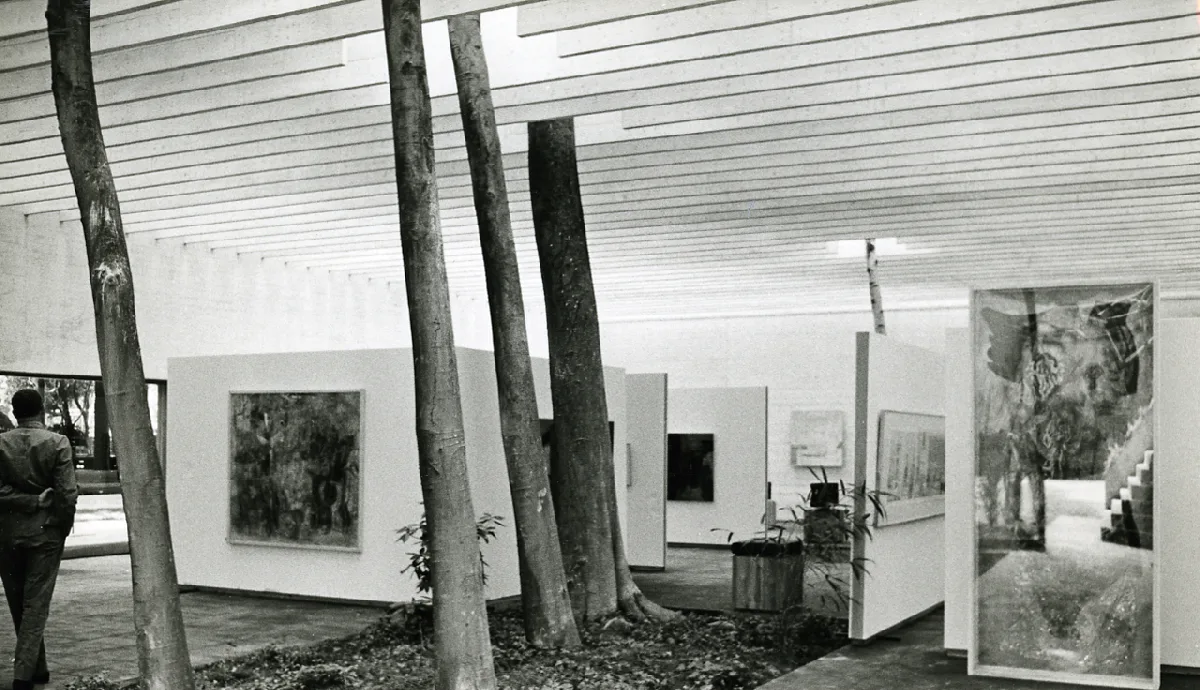
Sverre Fehn's Nordic Pavilion in Venice uses concrete beams spaced just far enough apart to let Scandinavian-quality light filter through. Trees grow through the floor and out through the roof. Inside...
papr turns your books into a reading persona, chapter insights you can listen to, and a quiet way to find people who think like you. Free to join.
Get papr — it's free
