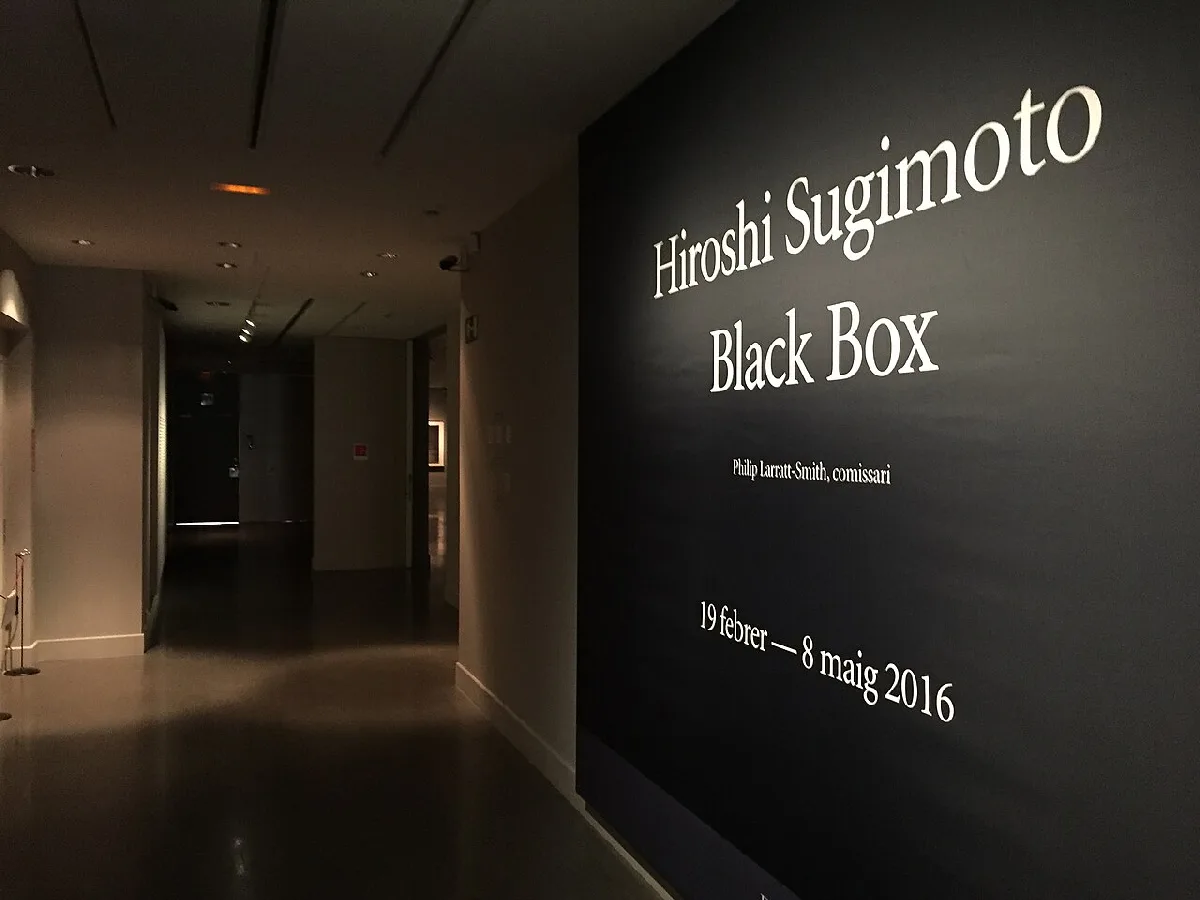
Japanese photographer Hiroshi Sugimoto takes photographs of movie theater screens with exposures lasting the entire length of the film. The screen appears as a glowing white rectangle. An entire movie...
Photography — Images That Outlived the Moment
A good photograph is a time capsule with a point of view. The drops here are about photographers, specific images, and the craft decisions behind the frames that became part of cultural memory. They are written for readers who want to understand what makes a picture last long after the event it recorded.
Japanese photographer Hiroshi Sugimoto takes photographs of movie theater screens with exposures lasting the entire length of the film. The screen appears as a glowing white rectangle. An entire movie...
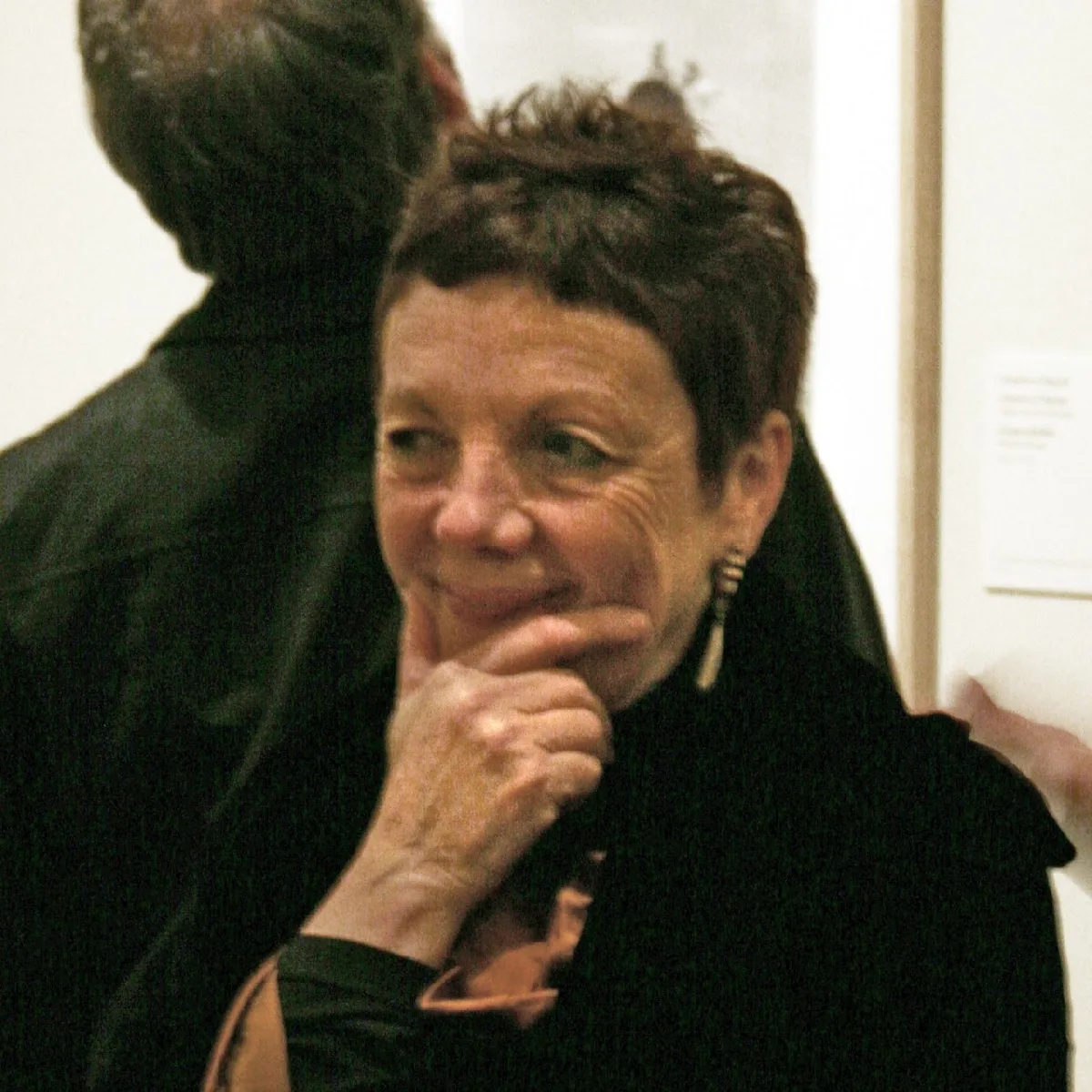
Graciela Iturbide photographed a Zapotec woman walking through a market in Juchitan, Mexico, with a crown of live iguanas on her head. The image, Nuestra Senora de las Iguanas, became one of the most...
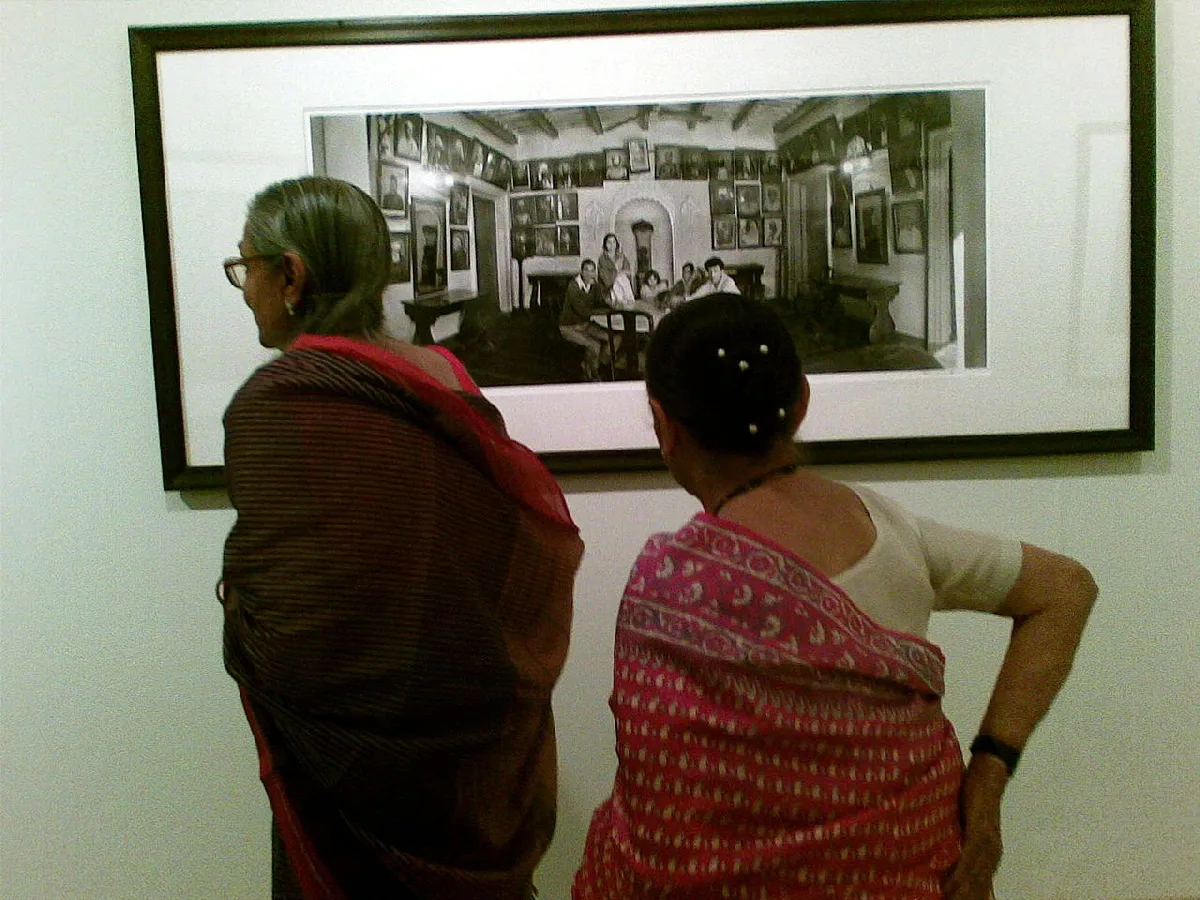
Raghu Rai, India's most celebrated photographer, covered the Bhopal gas disaster in 1984 and returned every year for decades. His image of a dead child being buried, eyes still open, forced the world...
Daido Moriyama has walked the streets of Tokyo almost every day for over 50 years, shooting in harsh black and white with heavy grain. His photographs are blurry, tilted, and overexposed on purpose. H...
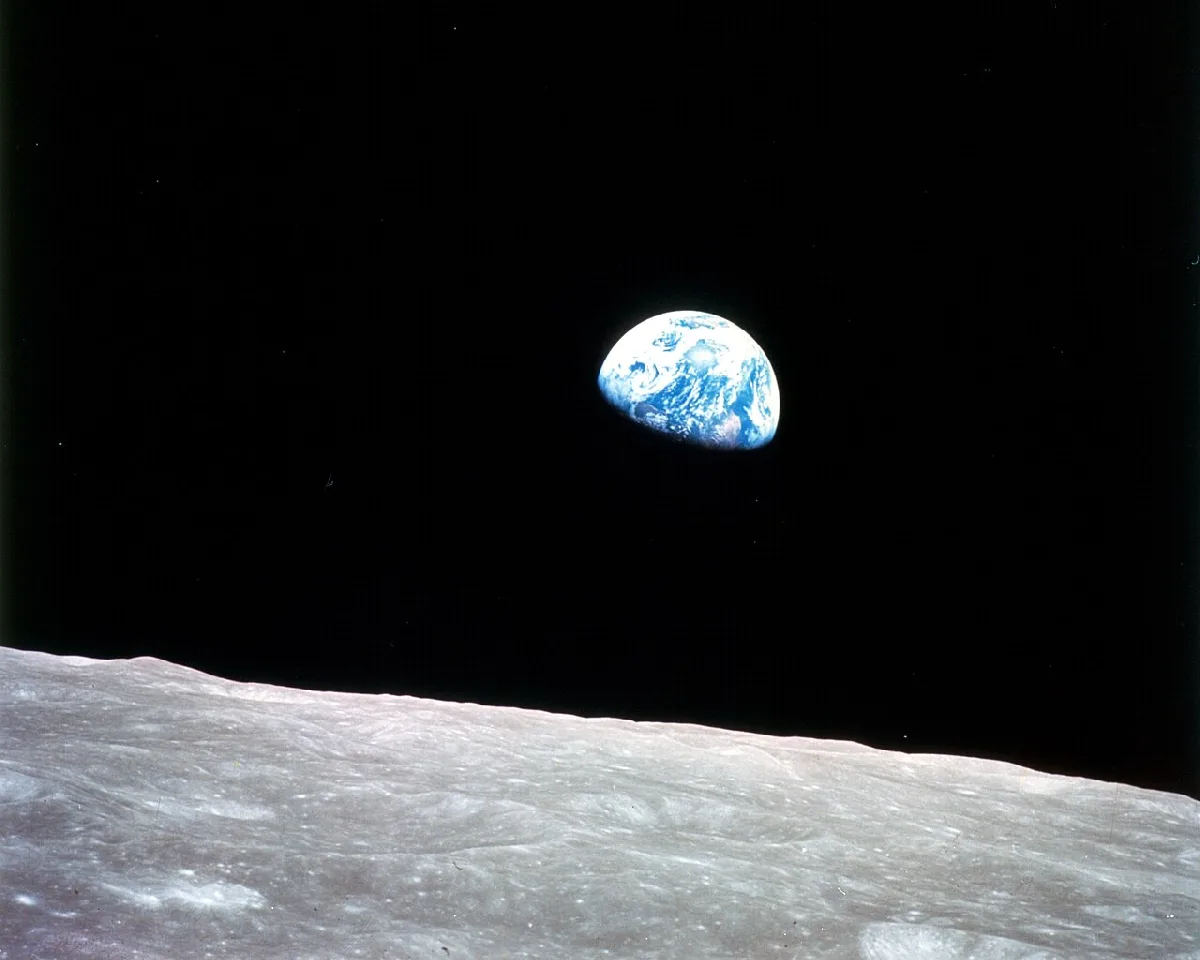
During the Apollo 8 mission, astronaut William Anders took a photo of Earth rising over the Moon. It was unplanned. No one had thought to photograph Earth from space. That single image, Earthrise, is...
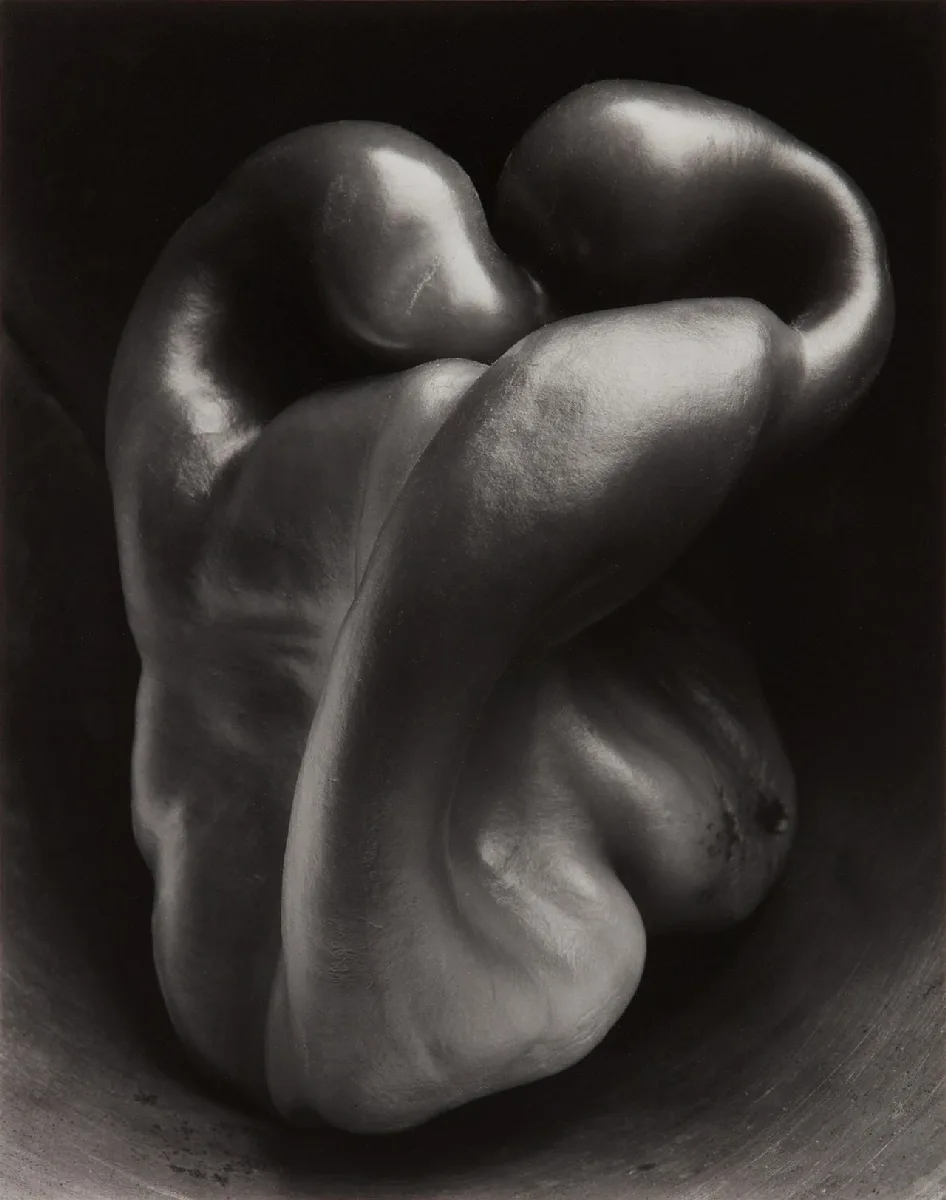
When Edward Weston photographed a green pepper in 1930, he spent four days and 30 negatives before he was satisfied. Pepper No. 30 looks like a human body twisted in on itself. It made people see a ve...
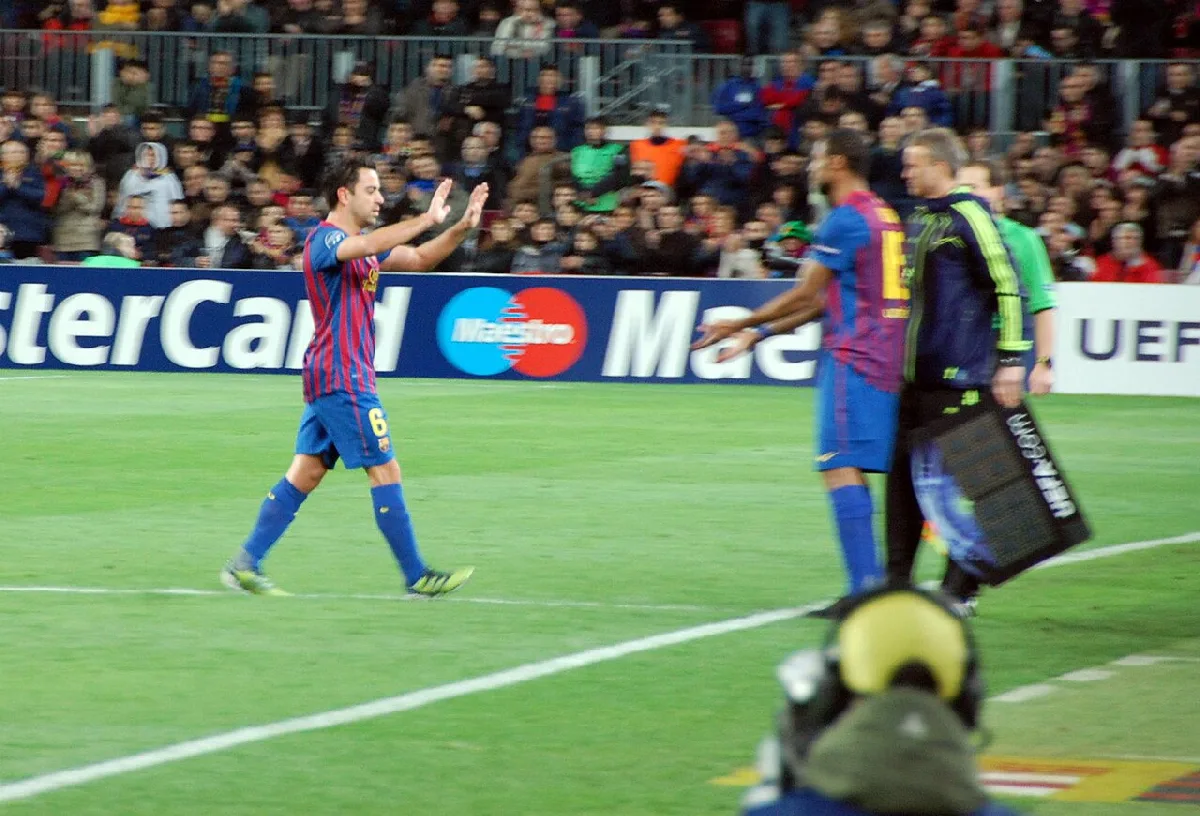
Seydou Keita ran a portrait studio in Bamako, Mali, from 1948 to 1962. Clients chose from his collection of props: radios, flowers, watches, European suits. Each portrait was a collaboration in imagin...
Shomei Tomatsu spent decades photographing the aftermath of the atomic bombing in Nagasaki. His most famous image shows a wristwatch stopped at 11:02, the exact moment of detonation. Time itself becam...
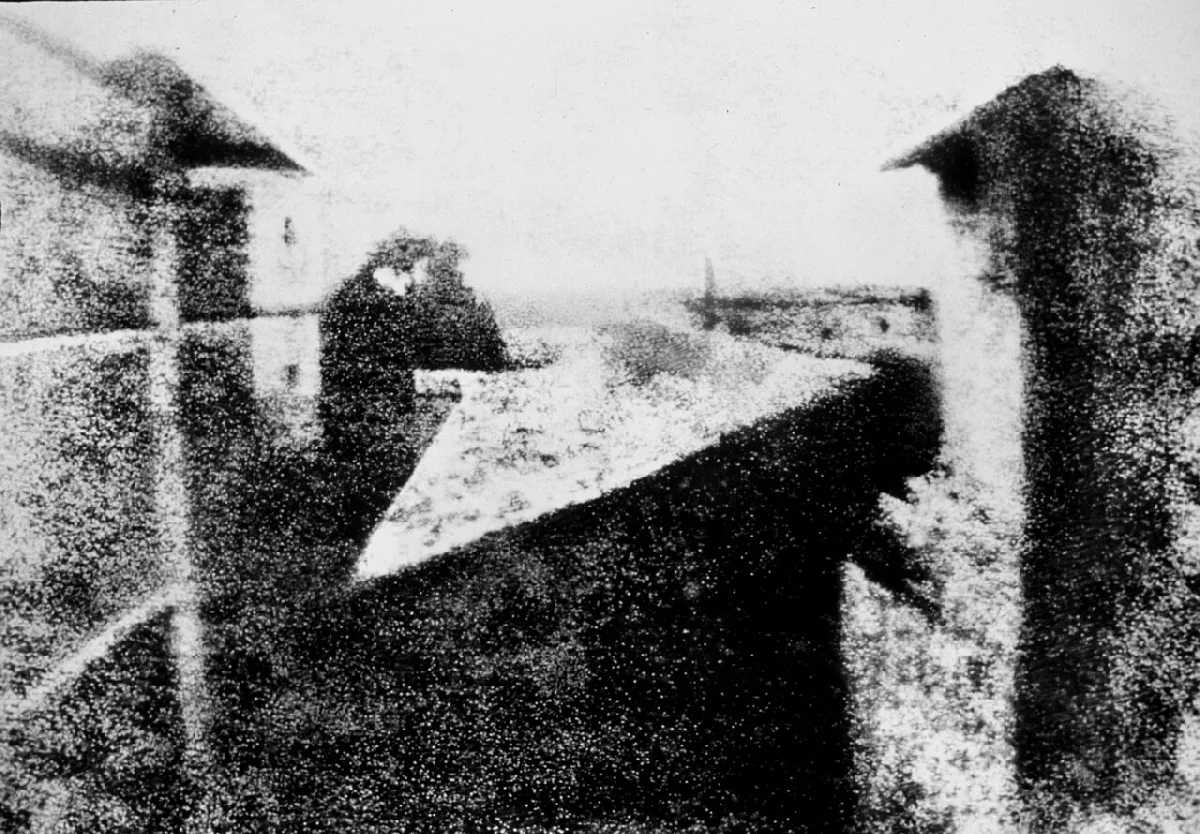
The first photograph ever taken required an eight-hour exposure. Joseph Nicephore Niepce pointed his camera out a window in Burgundy in 1826. The sun moved across the sky during the exposure, so both...
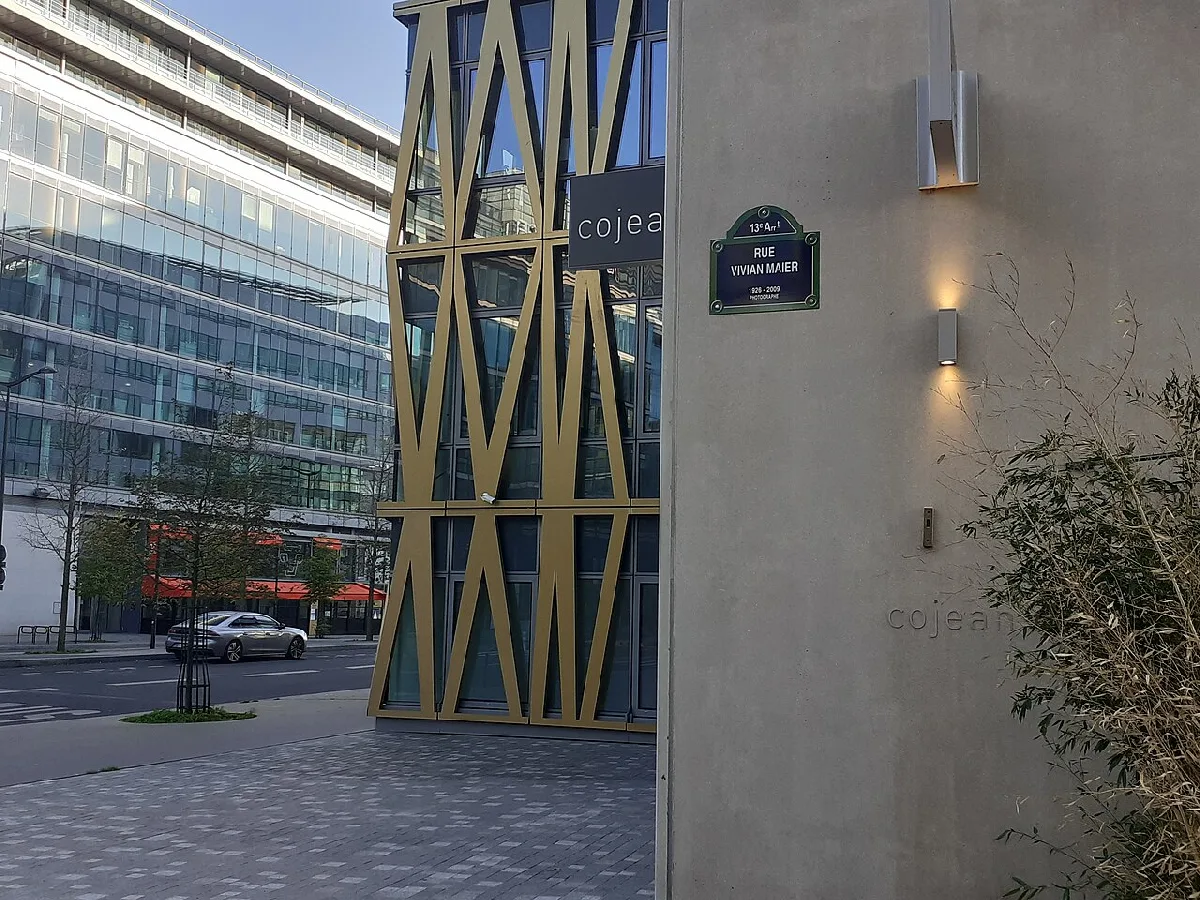
Vivian Maier took over 150,000 photographs across 40 years while working as a nanny in Chicago. She never showed them to anyone. They were discovered in a storage locker she couldn't afford to keep. S...
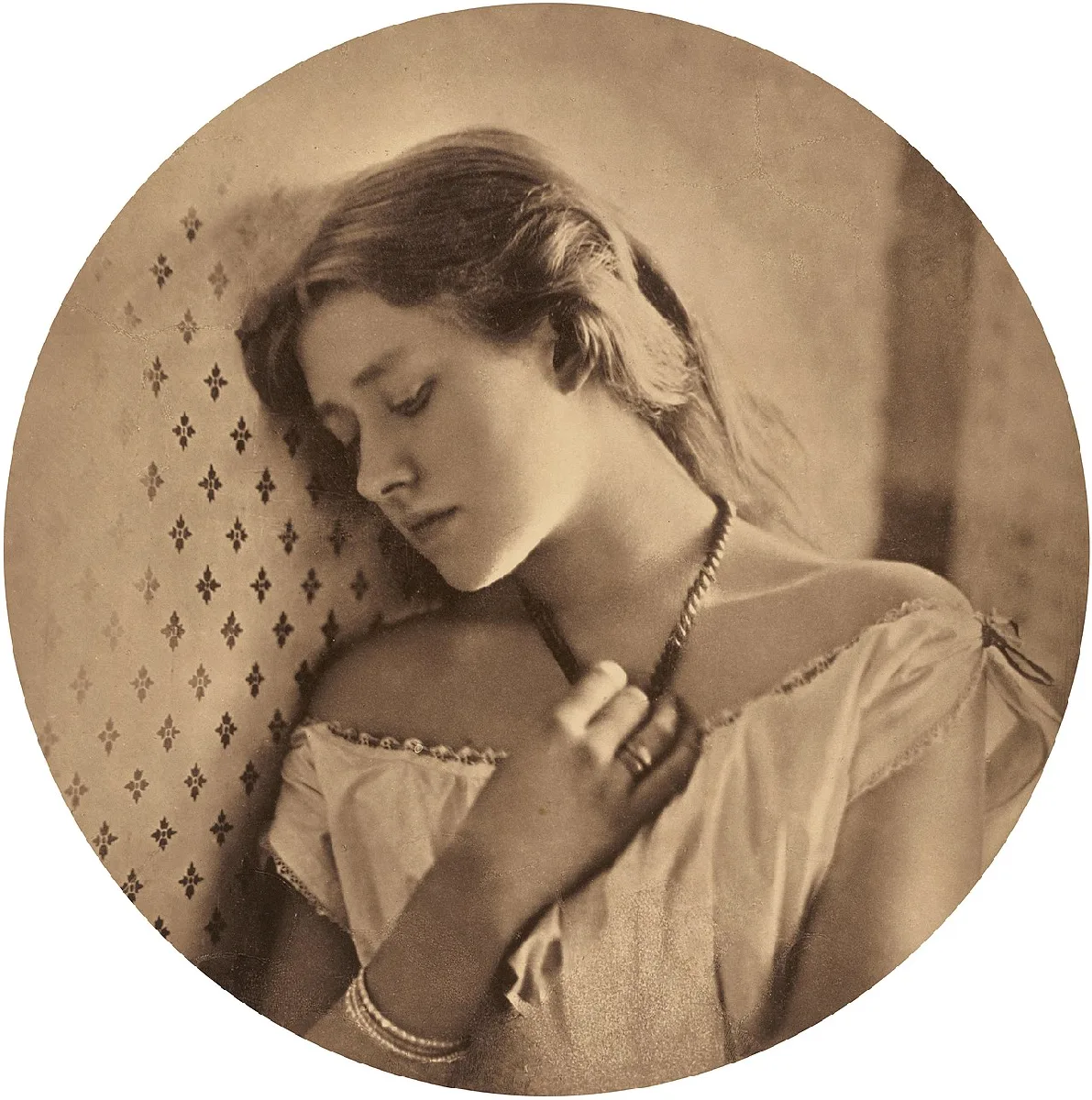
Julia Margaret Cameron started photography at 48, when her daughter gave her a camera as a gift in 1863. She had no training and worked from a converted chicken coop. Her portraits of Victorian intell...

Sebastiao Salgado spent six years photographing workers around the world: gold miners in Brazil, oil firefighters in Kuwait, steel workers in India. The resulting book, Workers, documents labor on a s...
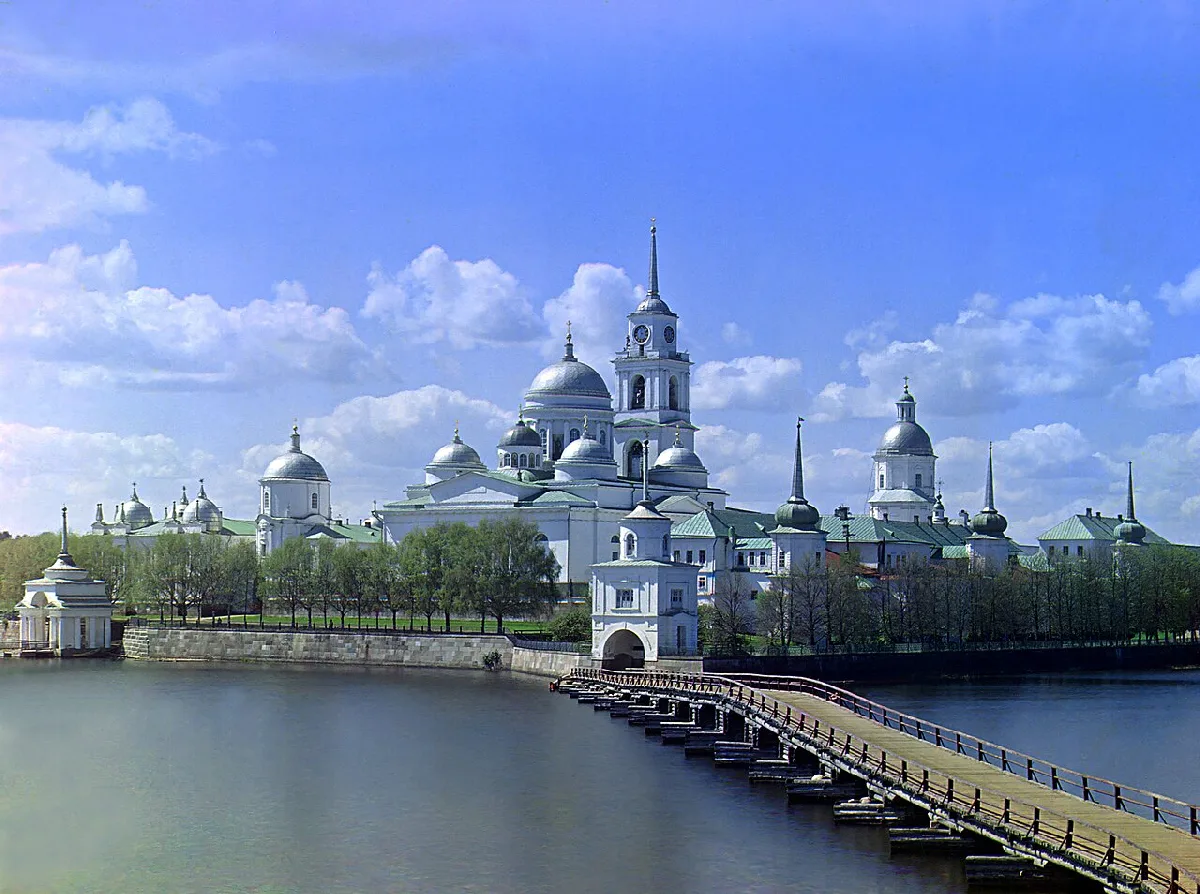
Sergei Prokudin-Gorsky photographed the Russian Empire in full color between 1909 and 1915, decades before color film was common. He used three separate exposures through red, green, and blue filters....
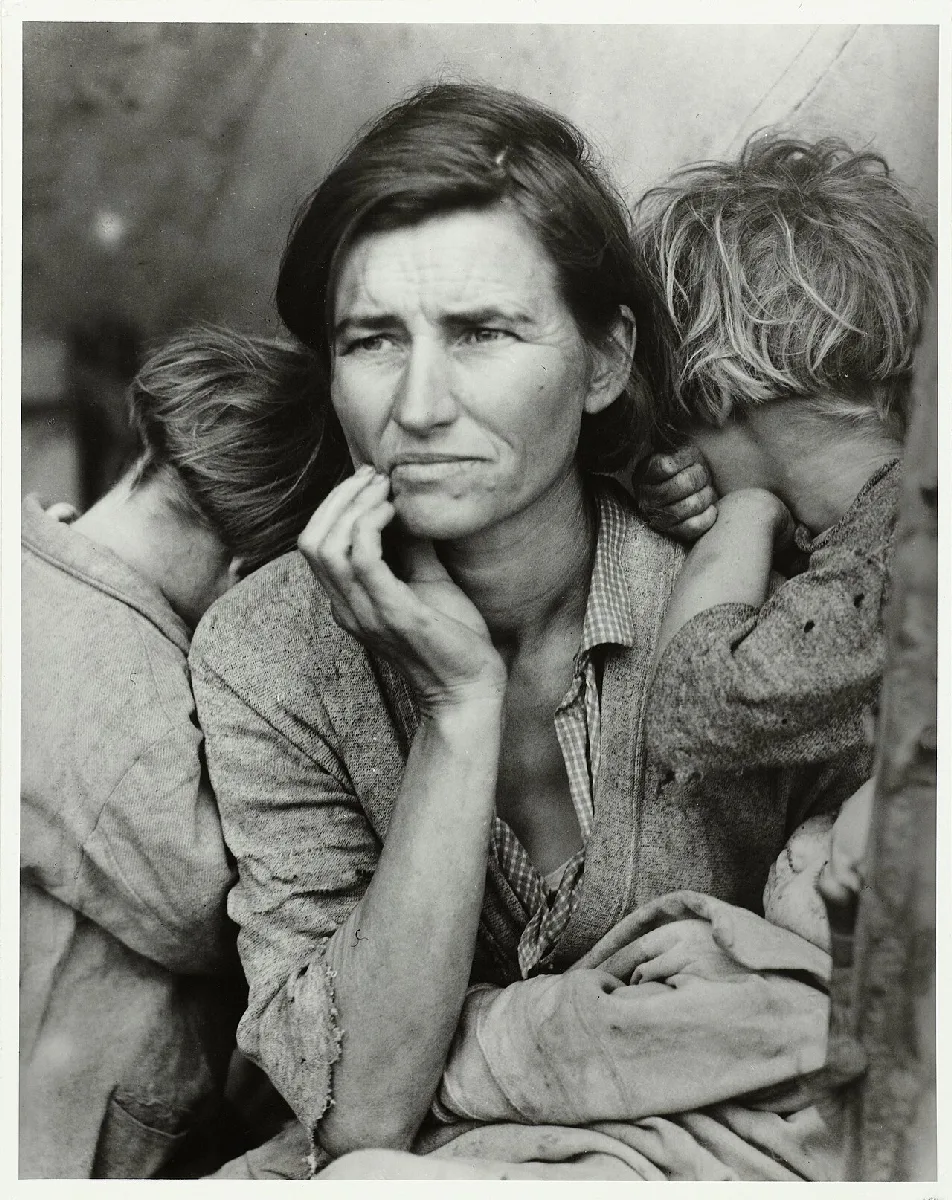
Dorothea Lange almost didn't stop to take her most famous photograph. She had been driving for hours and passed the camp of migrant workers. Something made her turn around. The resulting image, Migran...
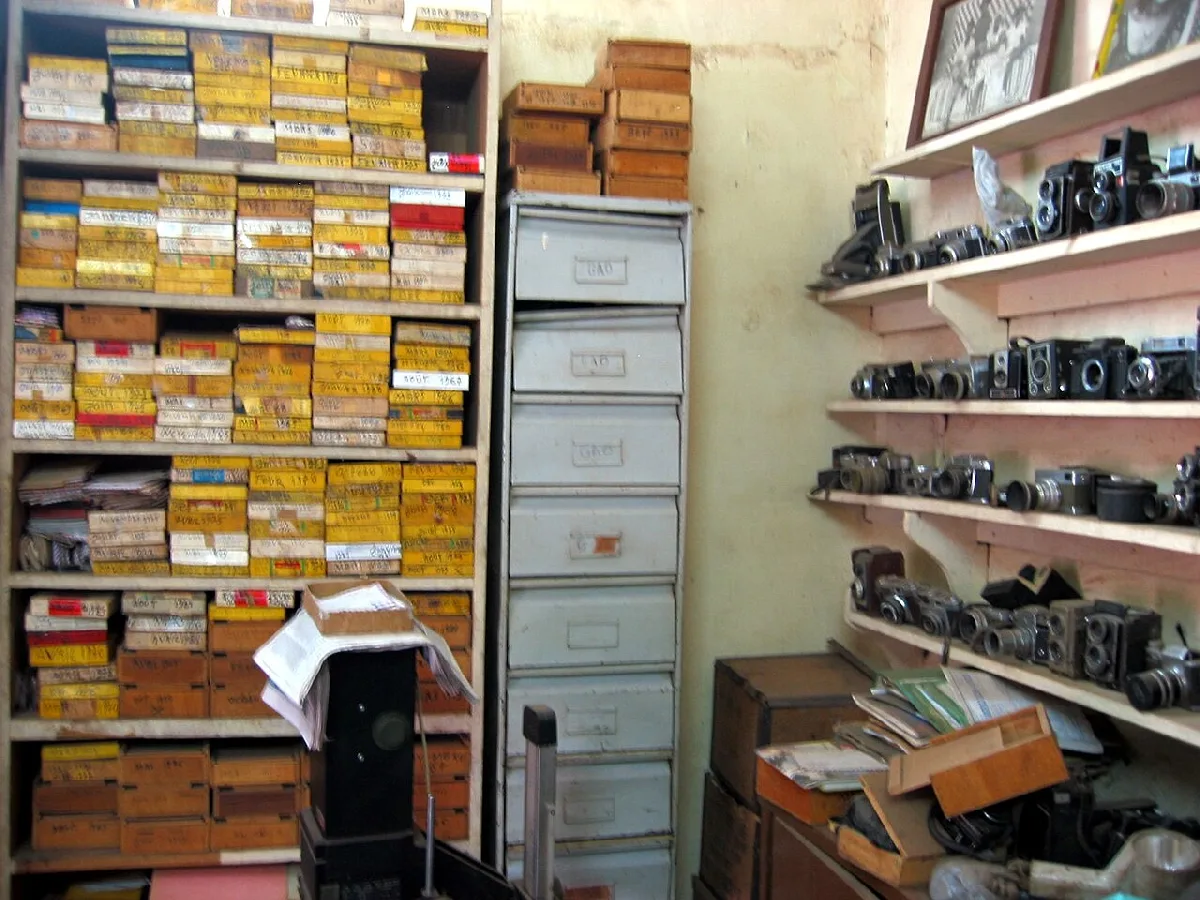
Malick Sidibe photographed the nightlife of Bamako, Mali, in the 1960s, capturing young people dancing, swimming, and celebrating independence from France. His studio portraits show Malians as they wa...
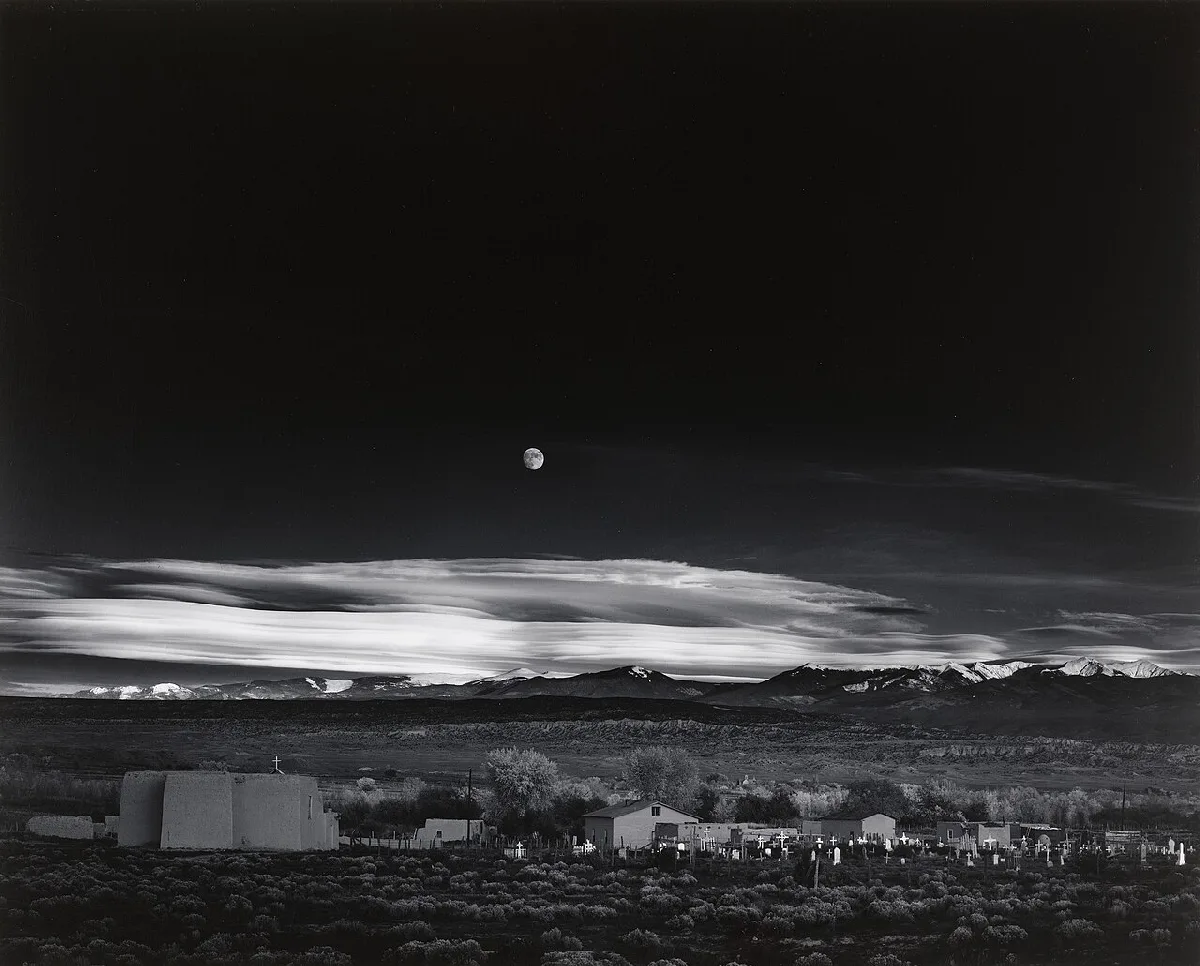
Ansel Adams spent days waiting for the right light to photograph Moonrise, Hernandez, New Mexico in 1941. He had about 30 seconds to set up before the light changed. He couldn't find his exposure mete...
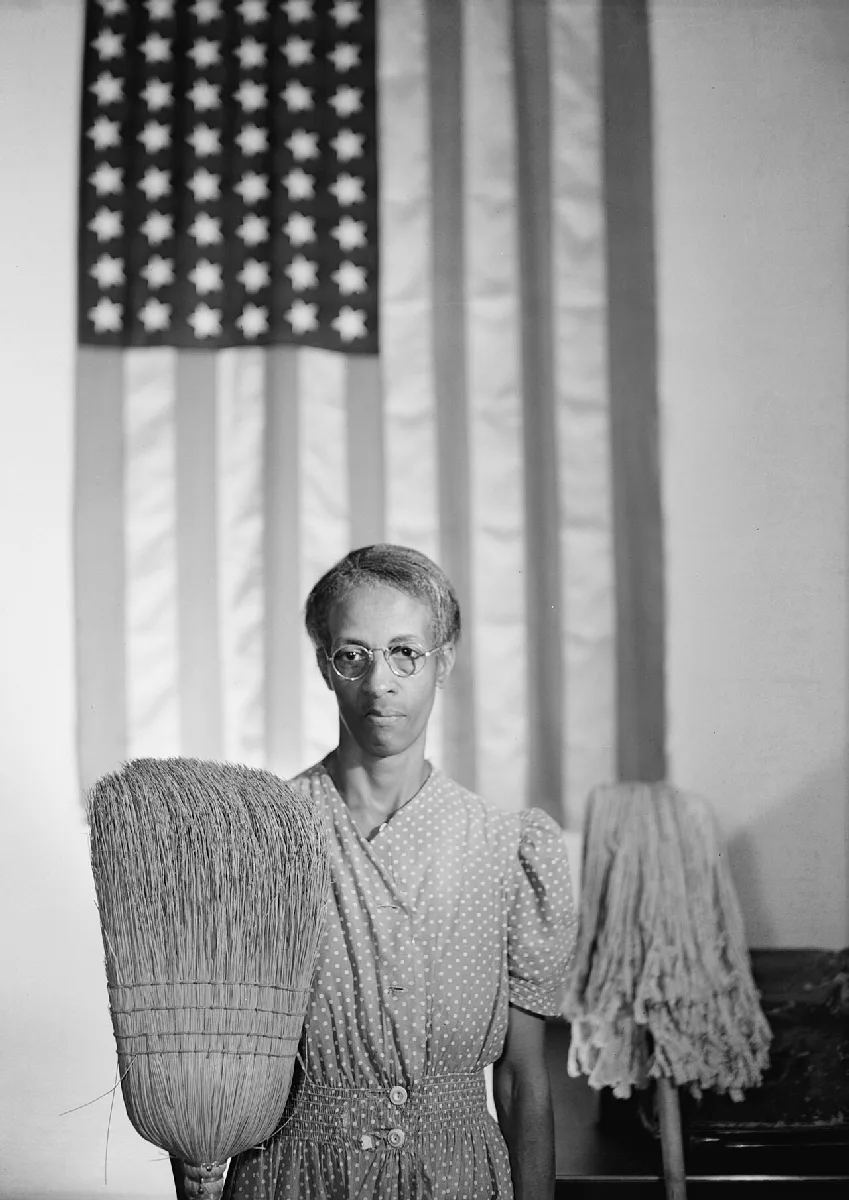
Gordon Parks was the first Black photographer at Life magazine and the first Black director of a major Hollywood film. He once said: I picked up a camera because it was my choice of weapons against wh...
Francesca Woodman photographed herself disappearing into walls, floors, and doorways in abandoned buildings in Providence, Rhode Island. She was 18. She made over 800 photographs before her death at 2...
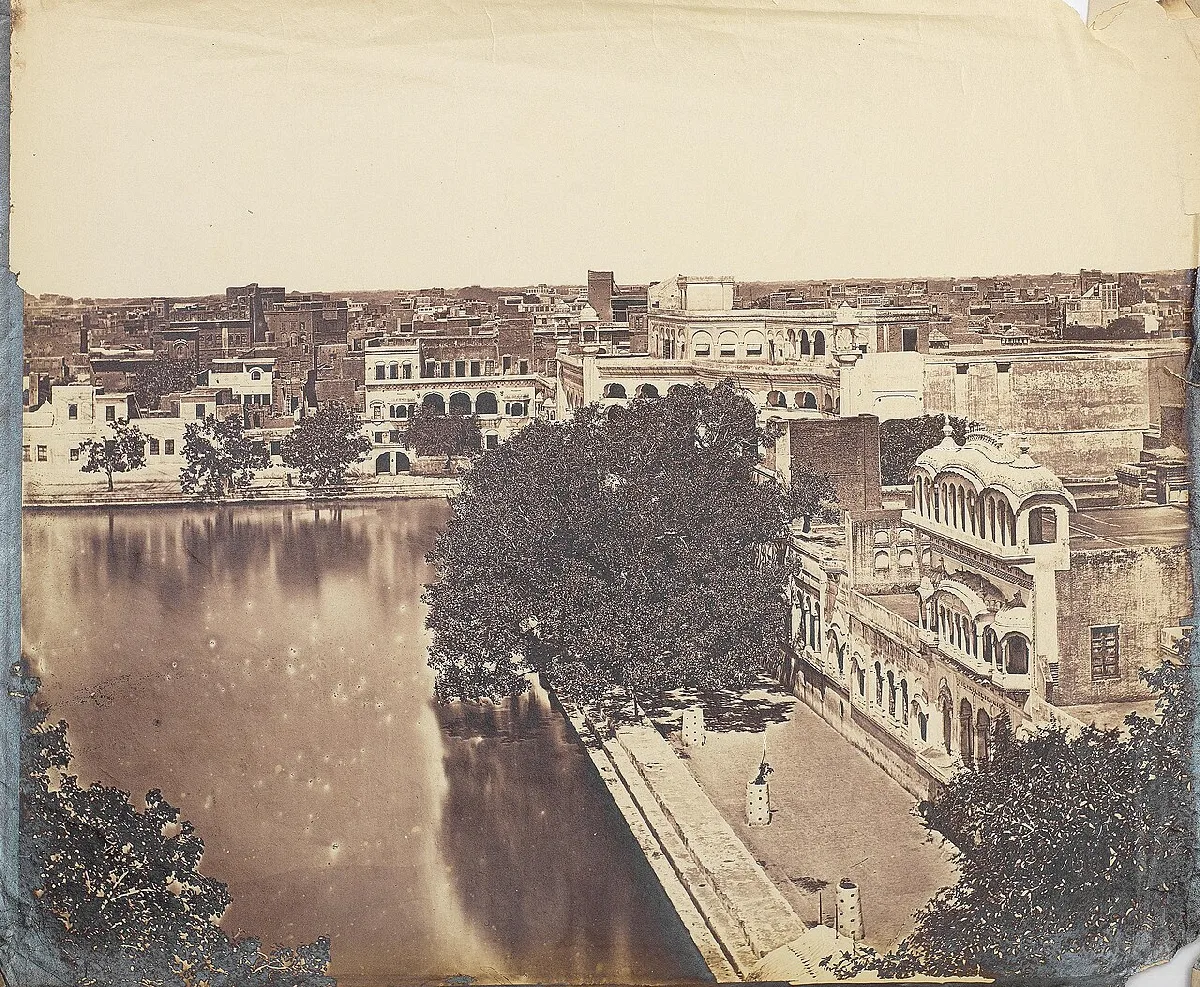
Felice Beato was one of the first photographers to document war. He arrived at Lucknow in 1858 after the siege and scattered human bones in the frame to make the scene look fresh. War photography was...
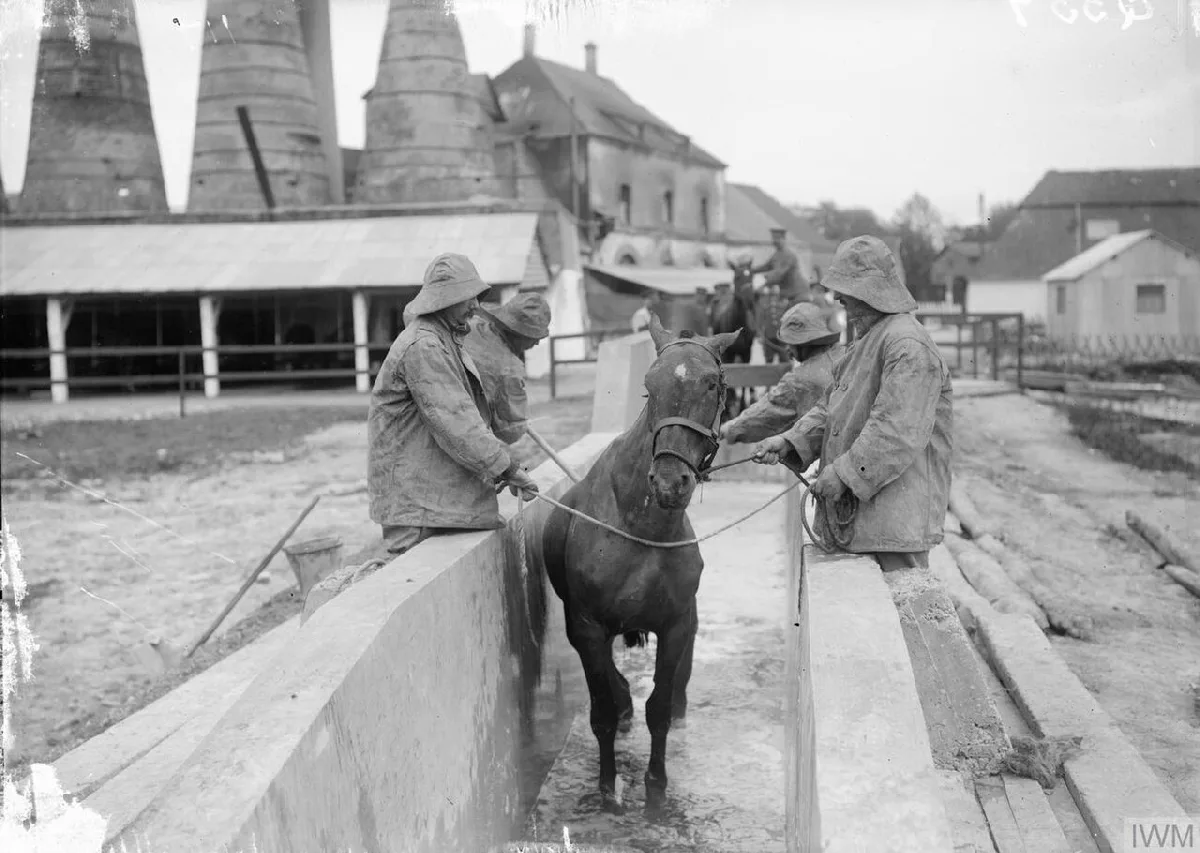
Ernest Brooks was the first official British war photographer in WWI. His images from the trenches were so disturbing that the government censored most of them. The sanitized versions they released sh...
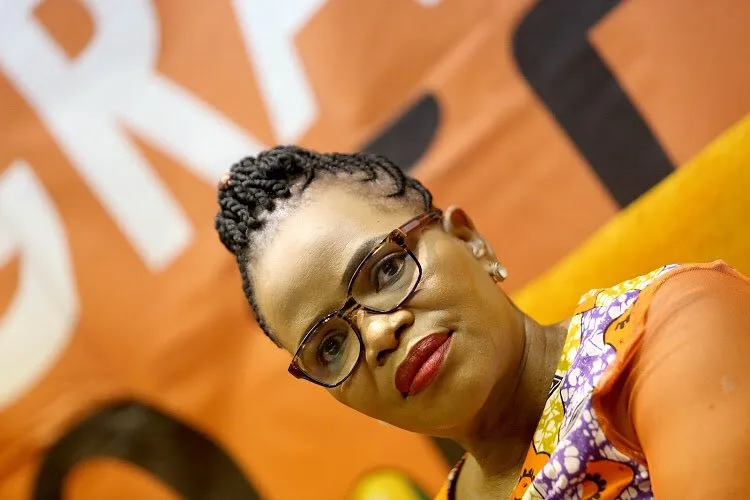
Zanele Muholi, a South African photographer, created 365 self-portraits in a series called Somnyama Ngonyama, meaning "Hail the Dark Lioness." Each portrait uses found objects as headdresses: steel wo...
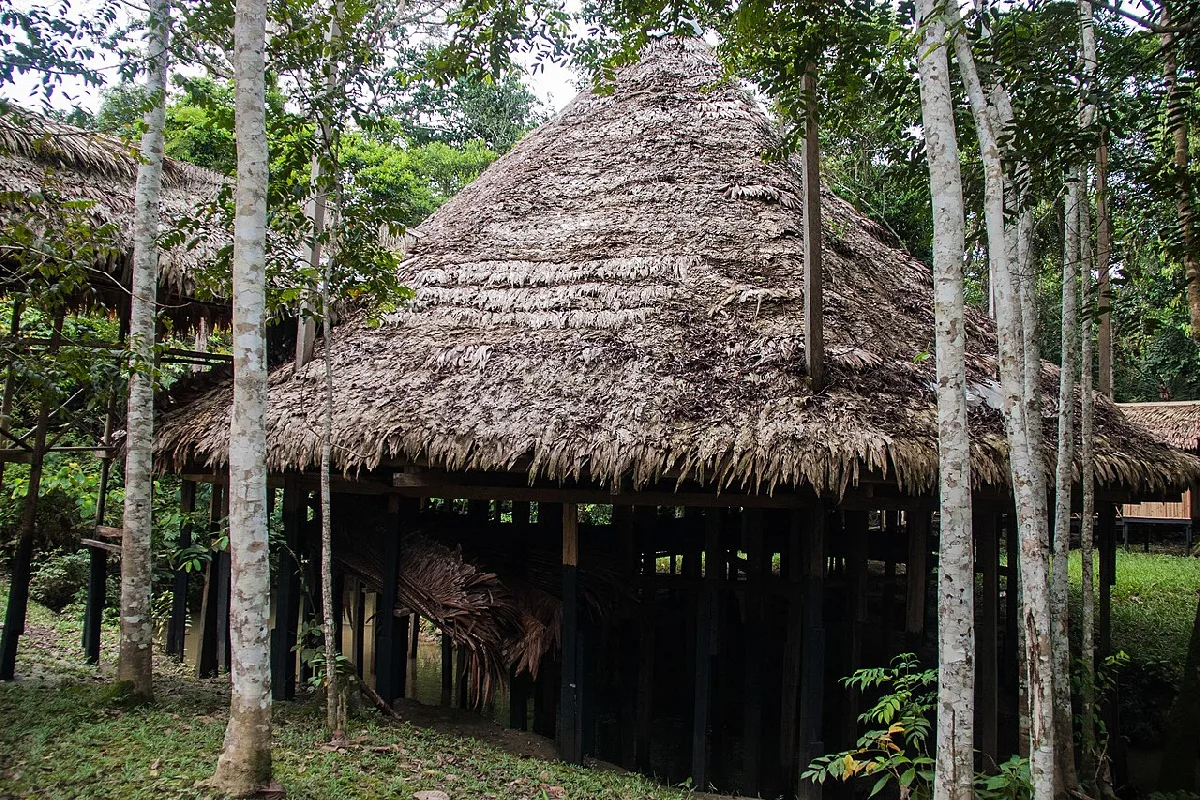
Brazilian photographer Claudia Andujar spent 20 years documenting the Yanomami people in the Amazon. When illegal miners invaded their land and brought diseases that killed thousands, she used her pho...
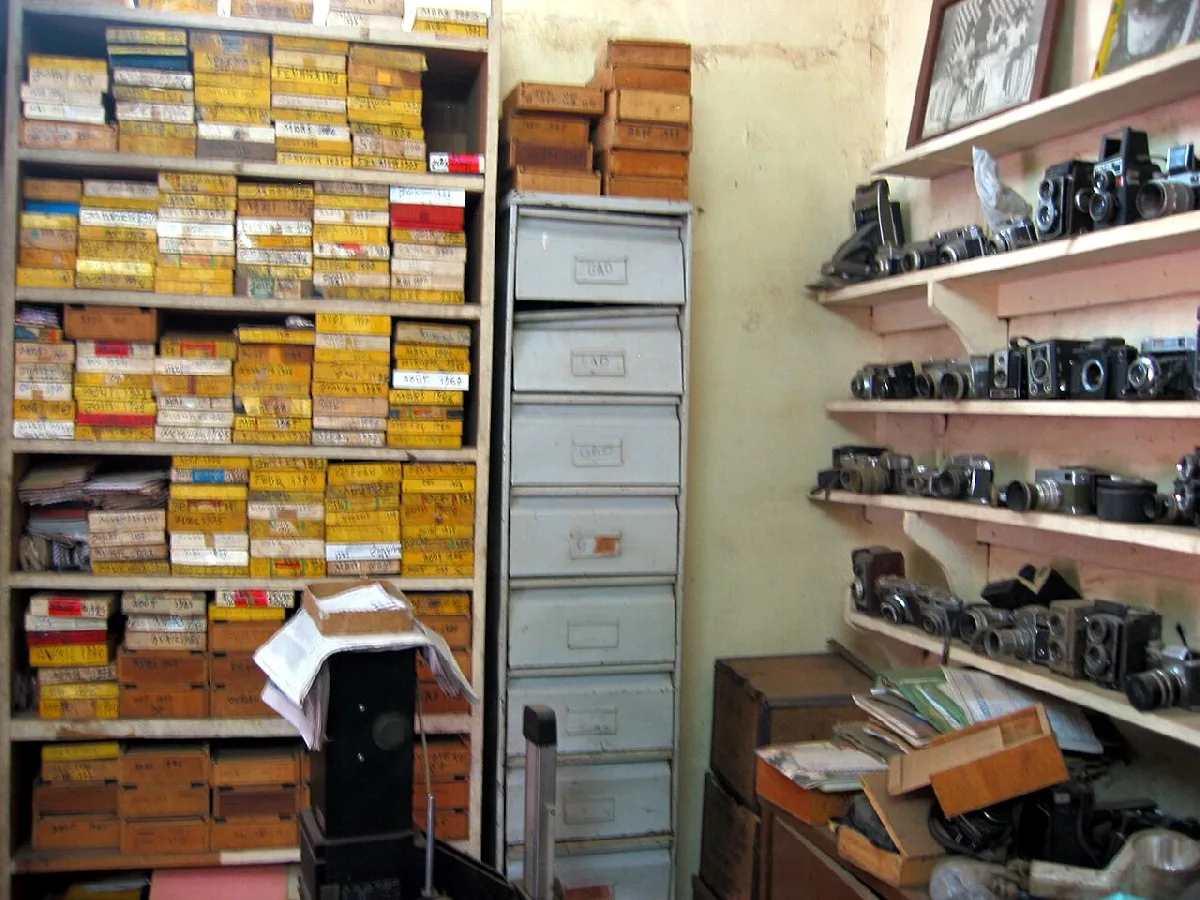
Malick Sidibe photographed the nightlife of Bamako, Mali, throughout the 1960s and 70s. Young people danced to rock and roll in suits and sunglasses. His photographs are the only record of a generatio...
Shomei Tomatsu spent decades photographing the aftermath of the atomic bomb in Nagasaki. His most famous image is a watch stopped at 11:02 AM, the exact moment of detonation. He said he wasn't photogr...
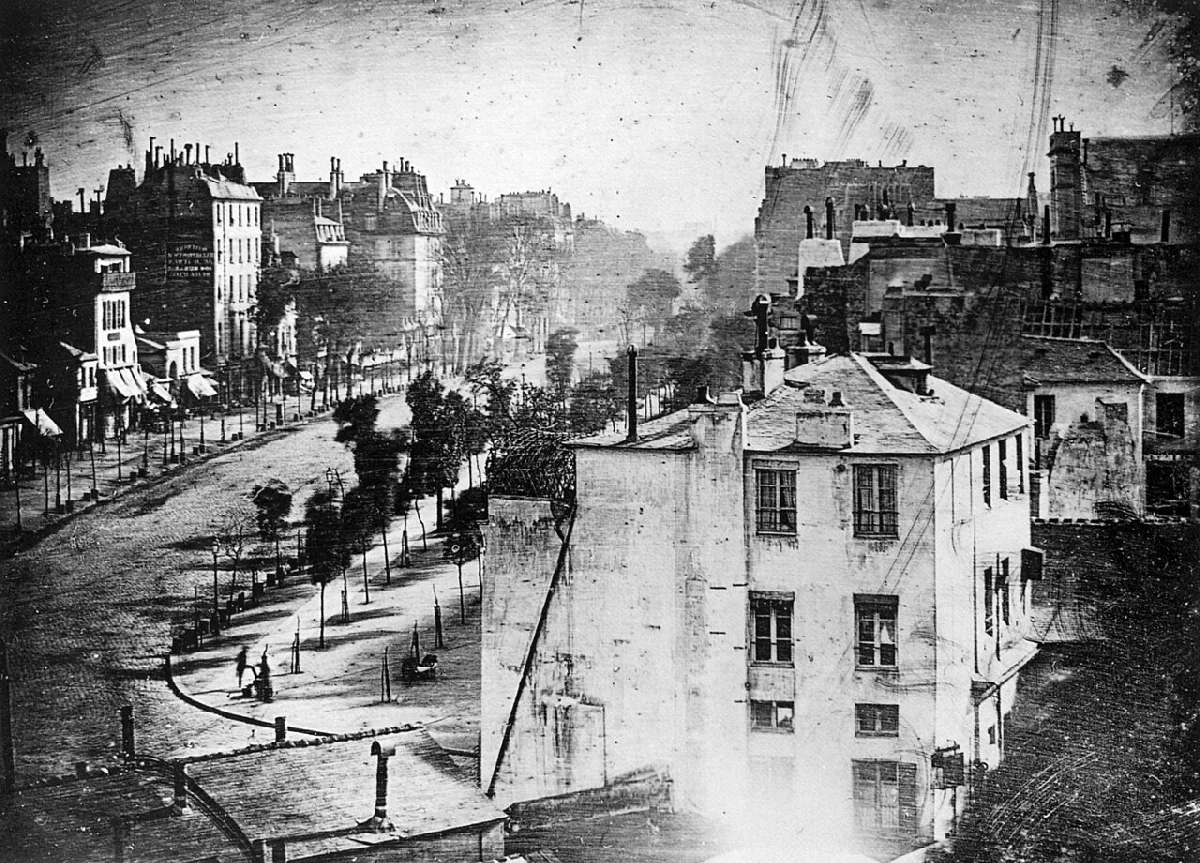
The oldest surviving photograph of a human being is hidden in a Daguerre street scene from 1838. Everyone else moved too fast for the long exposure and vanished. Only a man getting his shoes shined st...
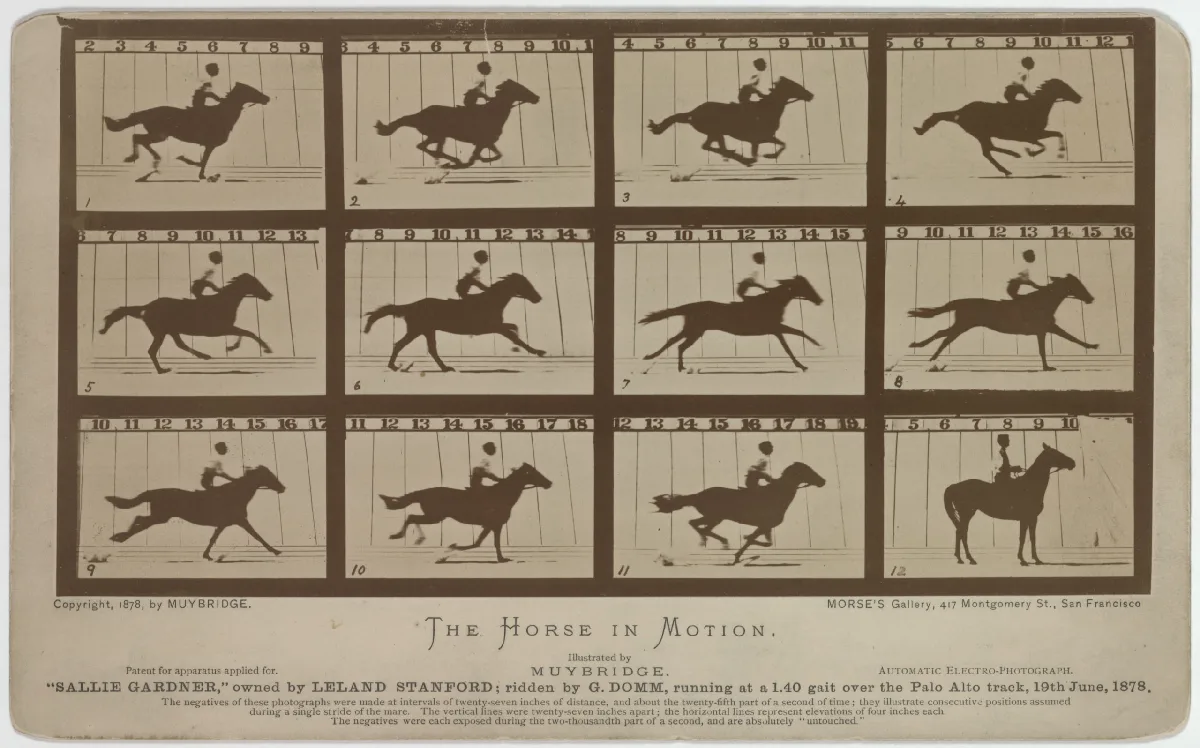
Eadweard Muybridge settled a bet in 1878 by photographing a galloping horse with 12 cameras triggered by trip wires. The photos proved that all four hooves leave the ground at once. Every painter befo...
papr turns your books into a reading persona, chapter insights you can listen to, and a quiet way to find people who think like you. Free to join.
Get papr — it's free
