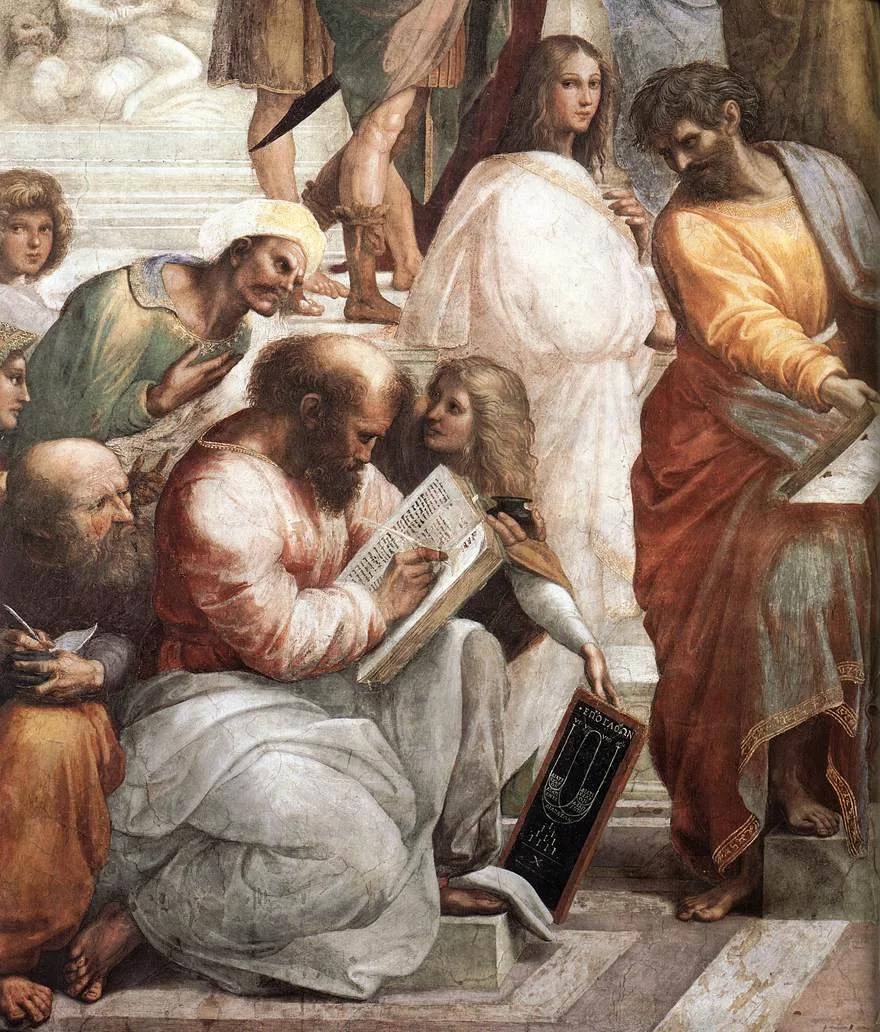
Hypatia of Alexandria was the ancient world's most famous mathematician and philosopher. She taught pagans, Christians, and Jews alike. In 415 AD, a Christian mob dragged her from her carriage and kil...
Philosophy — The Long Conversation
Philosophy is a 2500-year conversation that keeps returning to the same basic questions. The drops here are short windows onto thinkers, ideas, and the strange historical moments where the big questions got renewed. They are written for readers who are more interested in the live questions than the dead answers.
Hypatia of Alexandria was the ancient world's most famous mathematician and philosopher. She taught pagans, Christians, and Jews alike. In 415 AD, a Christian mob dragged her from her carriage and kil...
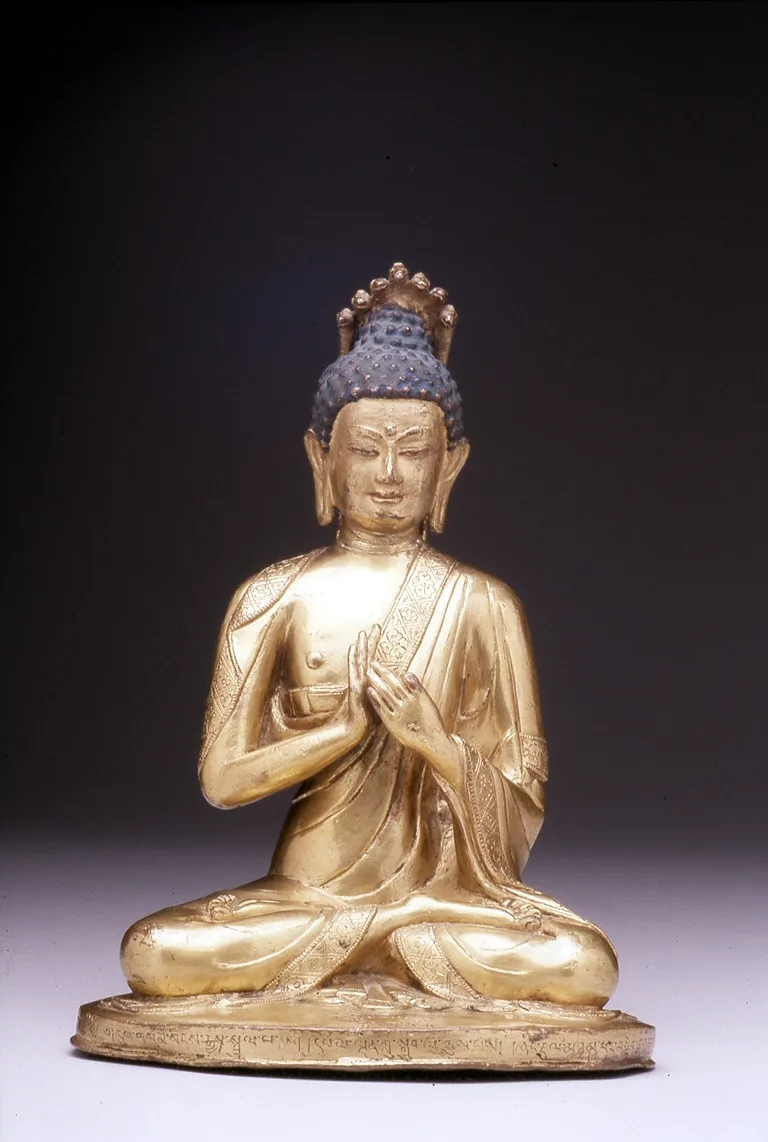
Nagarjuna, a 2nd century Indian philosopher, argued that everything is empty of inherent existence, including emptiness itself. His logic is so airtight that Western analytic philosophers in the 21st...
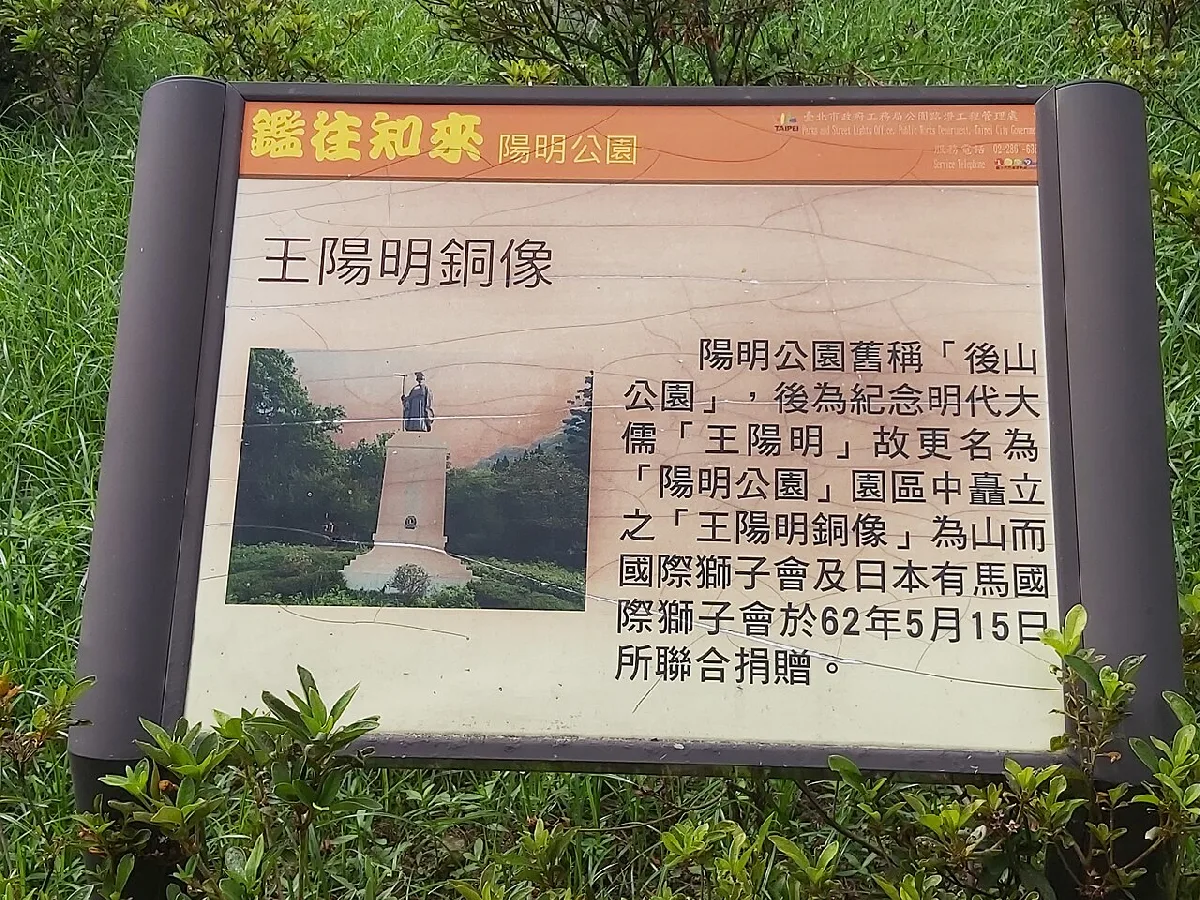
Wang Yangming, a 15th century Chinese philosopher, was exiled to a remote outpost in Guizhou province. Surrounded by poisonous snakes and hostile locals, he had a sudden insight: knowledge and action...
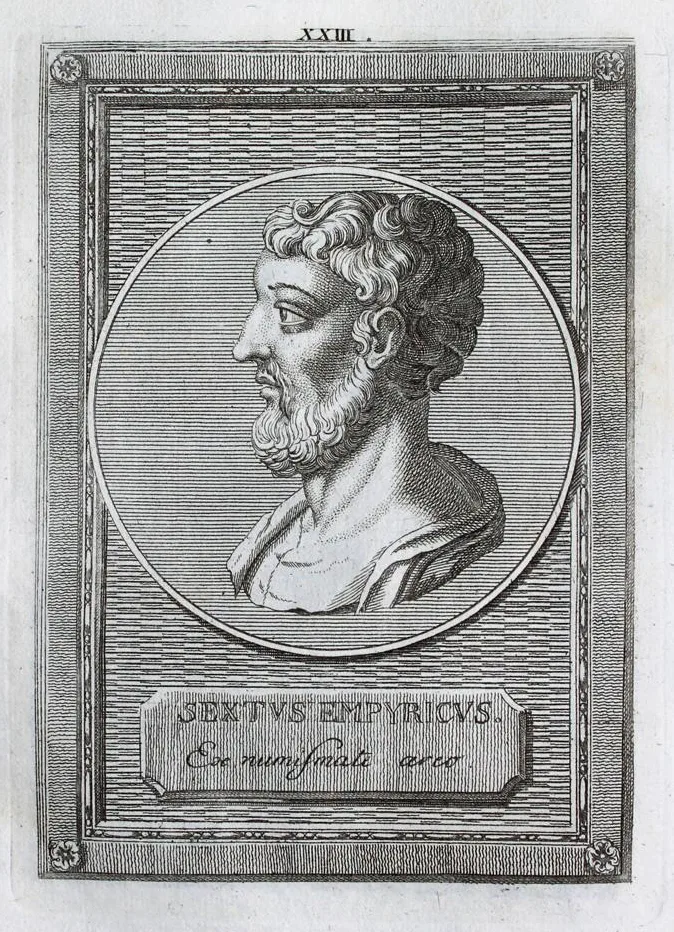
Pyrrhonian skeptics in ancient Greece refused to make any definitive claims about reality. When asked if they were sure about that, they said they weren't sure about that either. Sextus Empiricus wrot...
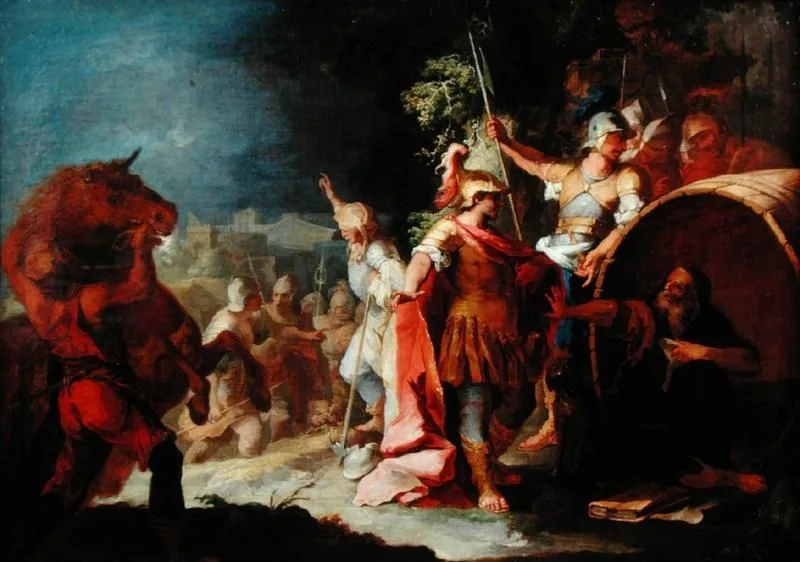
When Alexander the Great found Diogenes sunbathing in Athens and offered him anything in the world, Diogenes said: You're blocking my light. Alexander later told his officers that if he weren't Alexan...
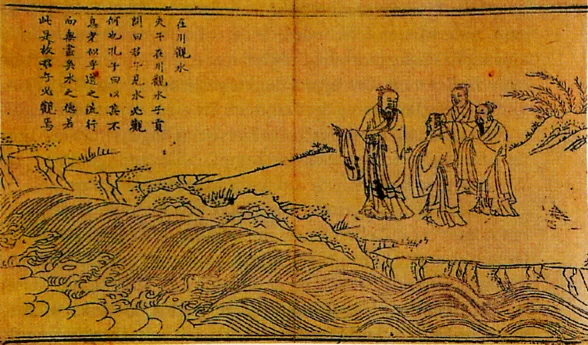
Confucius spent 14 years wandering from state to state in ancient China, offering his ideas on governance. Every ruler rejected him. He returned home and taught students instead. Those students wrote...
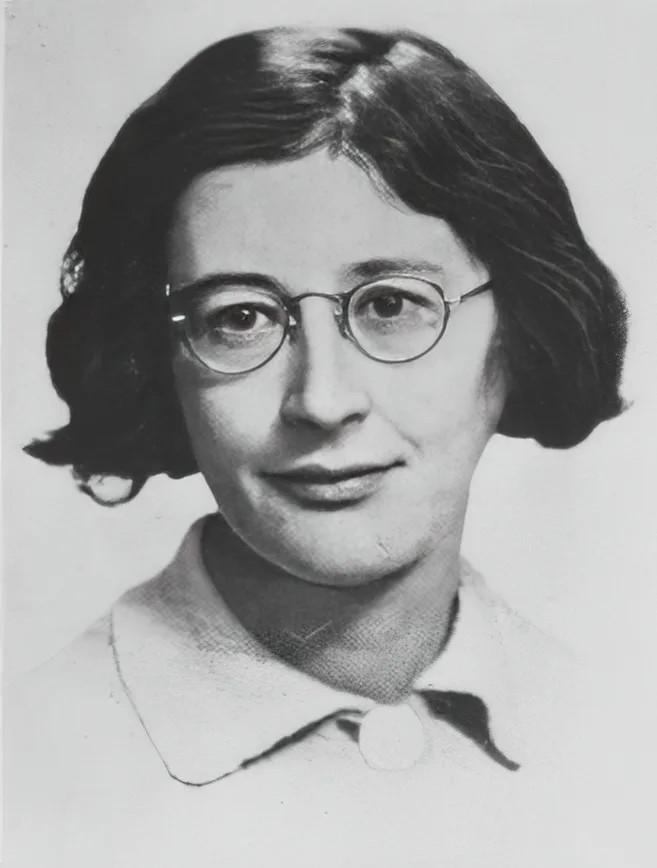
Simone Weil, one of the most brilliant philosophers of the 20th century, deliberately worked in a Renault car factory in 1934 to understand suffering firsthand. She nearly destroyed her health. She wa...

Hannah Arendt covered the trial of Adolf Eichmann in Jerusalem for The New Yorker in 1961. She expected to find a monster. Instead she found a boring bureaucrat who simply followed orders. Her phrase...
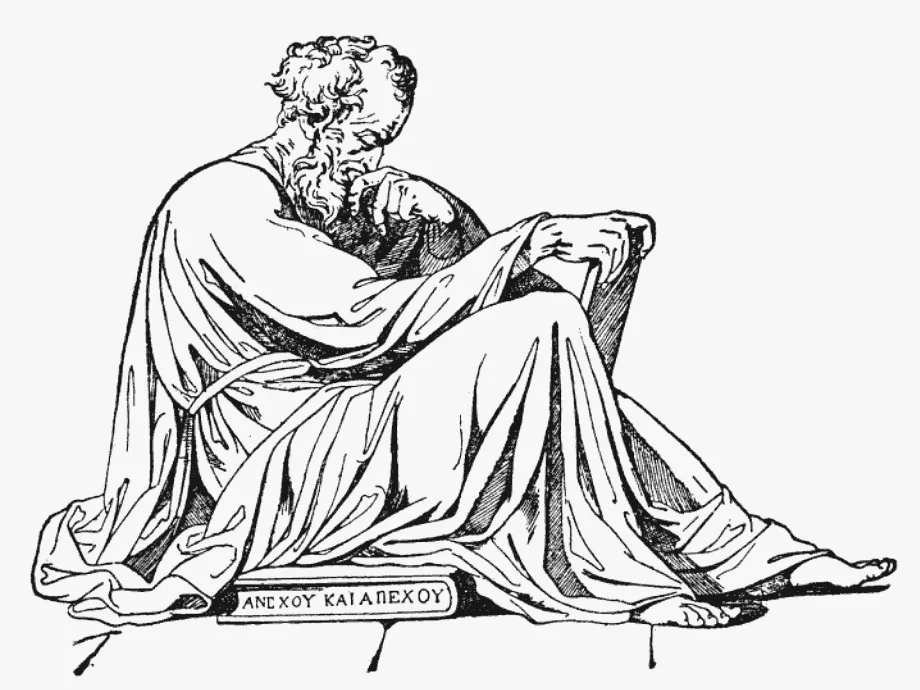
The Stoic philosopher Epictetus was born a slave in Rome. His master once twisted his leg so hard it broke. Epictetus reportedly said: I told you it would break. His philosophy of radical acceptance c...
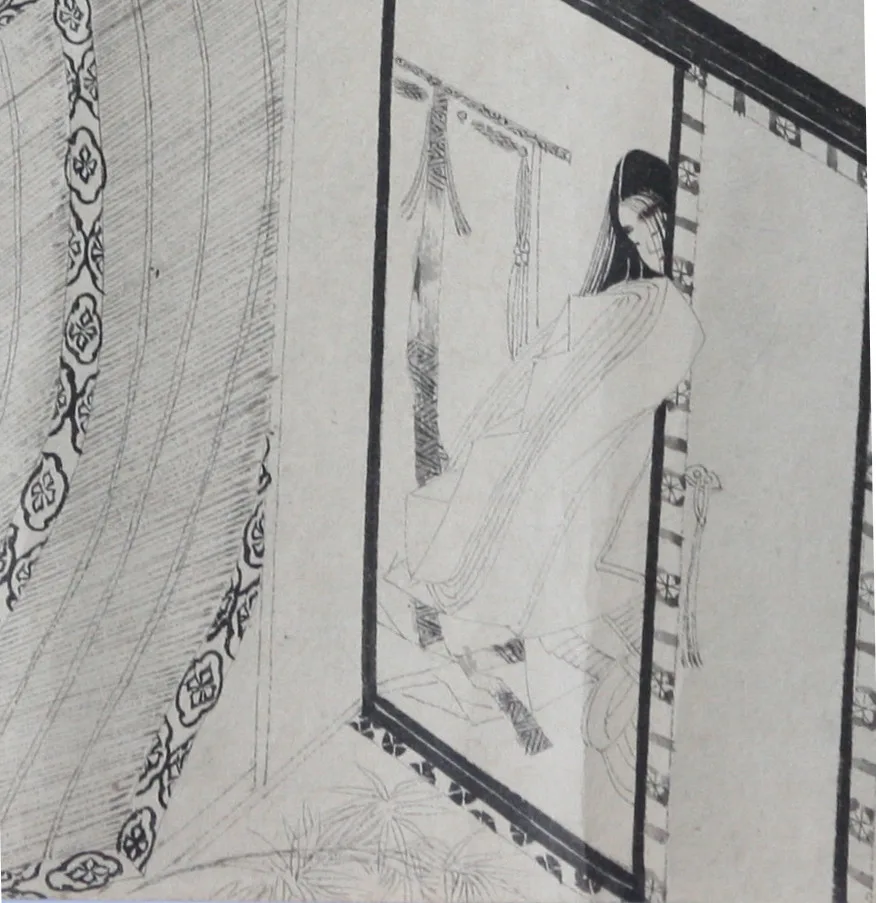
Sei Shonagon, a court lady in 10th century Kyoto, kept a journal of things that delighted and annoyed her. Her Pillow Book contains lists like "Things That Make Your Heart Beat Faster" and "Hateful Th...
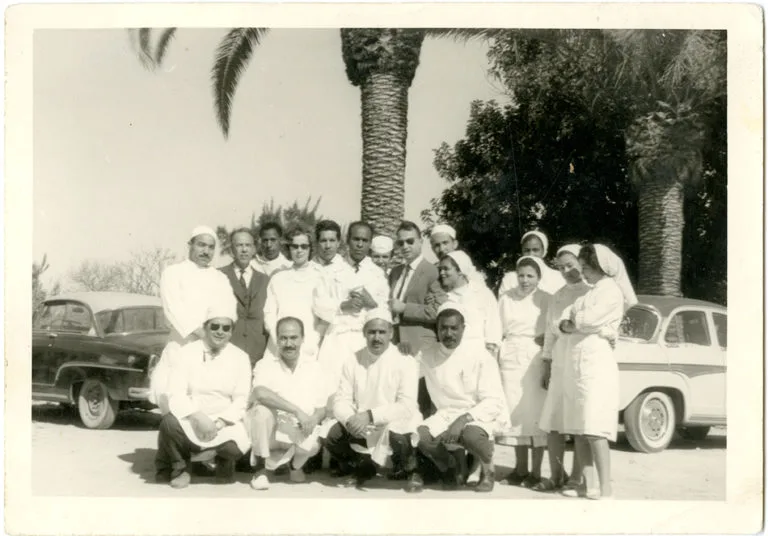
Frantz Fanon was a psychiatrist from Martinique who treated both Algerian torture victims and the French soldiers who tortured them. He wrote Black Skin, White Masks at 27. He died of leukemia at 36,...
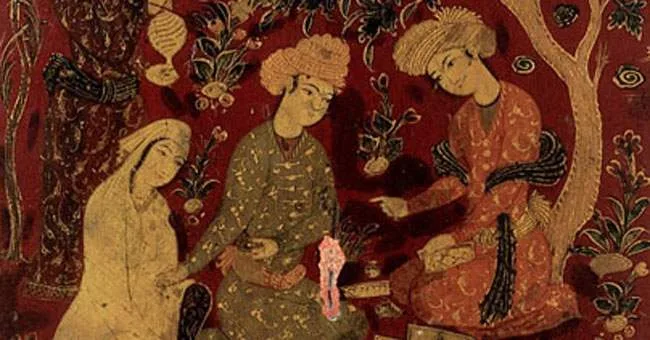
Ibn Sina, known in the West as Avicenna, wrote The Canon of Medicine around 1025 AD in Persia. It was used as the primary medical textbook in European universities until the 1600s. He wrote much of it...
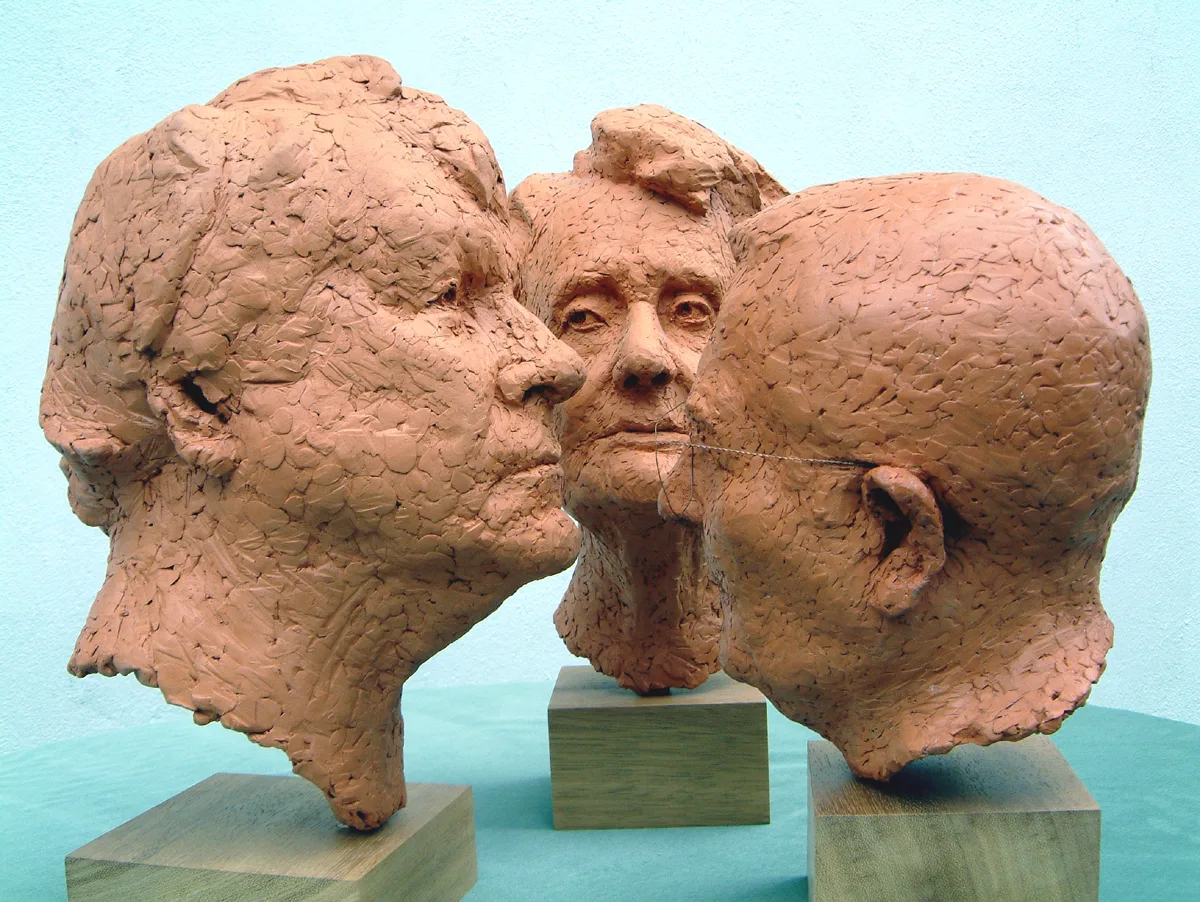
Mary Midgley published her first book at 59. She spent the next 40 years dismantling the idea that science could replace philosophy. She compared Richard Dawkins' selfish gene theory to astrology. Whe...
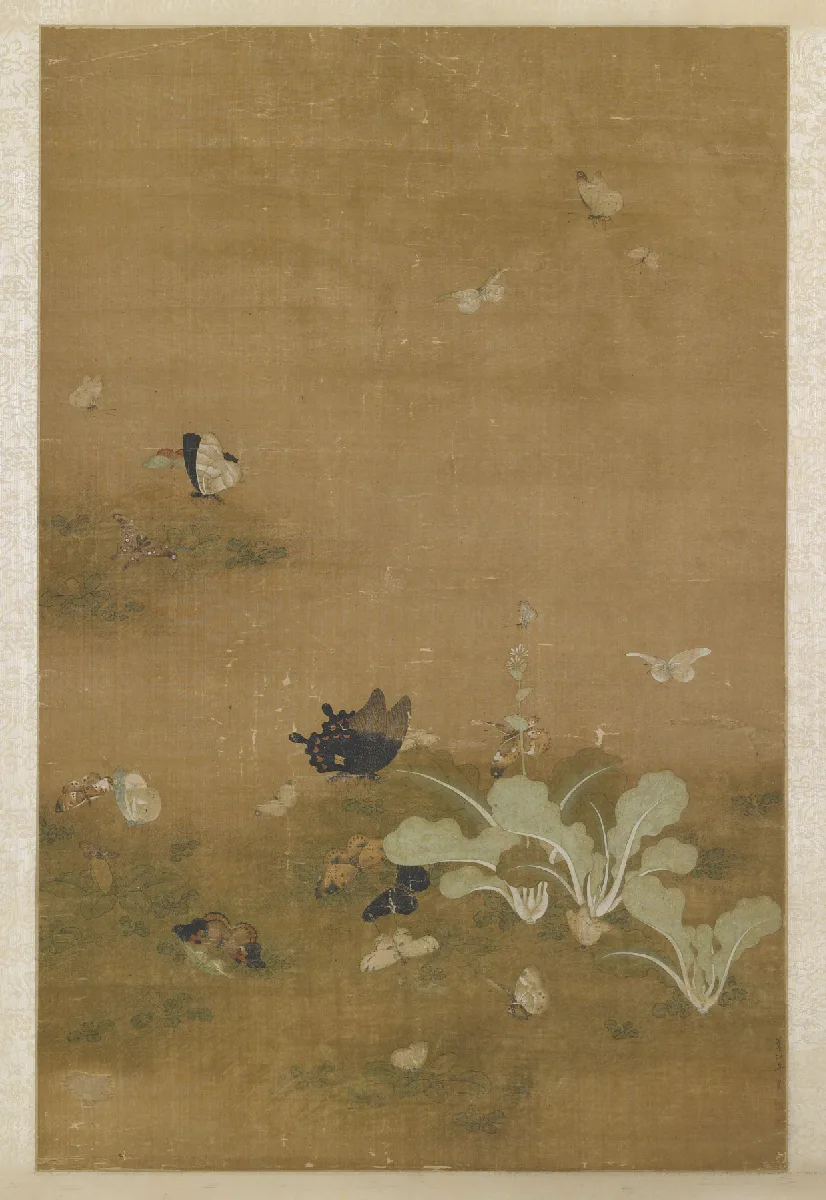
In ancient China, Zhuangzi once dreamed he was a butterfly. When he woke, he asked: Am I a man who dreamed of being a butterfly, or a butterfly now dreaming of being a man? Twenty-three centuries late...
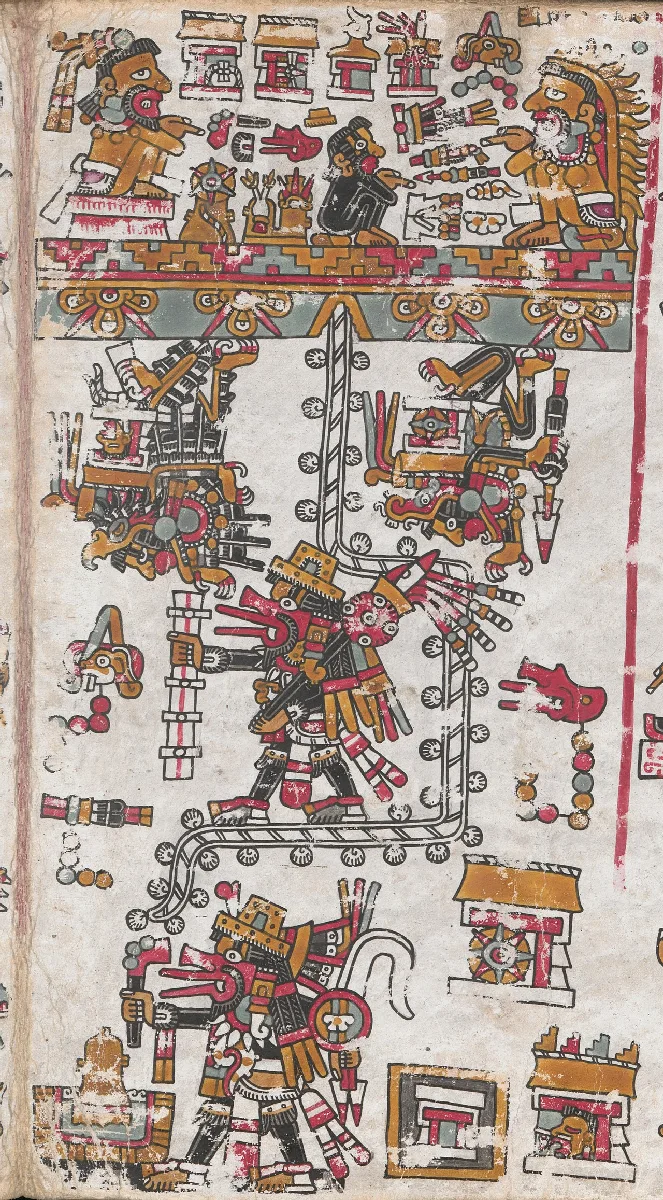
The Aztec concept of teotl described a universe that was neither material nor spiritual but a continuous, dynamic process. Aztec philosophers argued about it in flower-and-song dialogues, where truth...
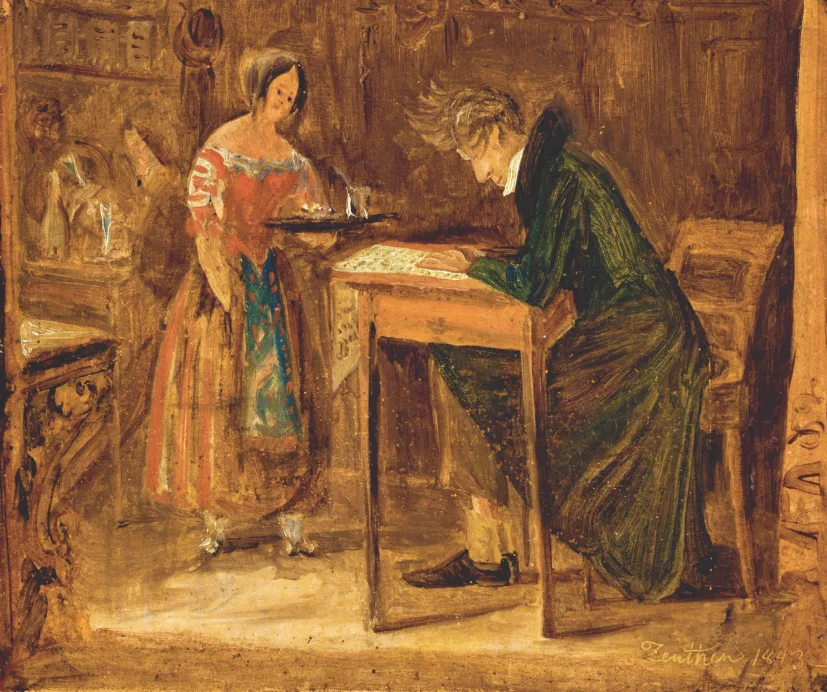
Soren Kierkegaard wrote most of his major works in just three years, between 1843 and 1846. He published under fake names, argued with himself across books, and died at 42. Copenhagen didn't know what...
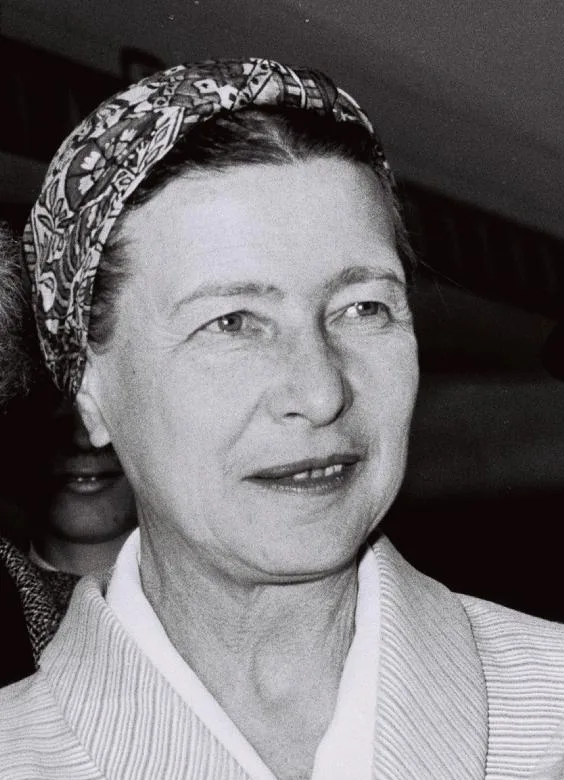
Simone de Beauvoir wrote The Second Sex in 1949 and was so viciously attacked that the Vatican put it on its list of forbidden books. Albert Camus told her the book humiliated the French male. She tol...
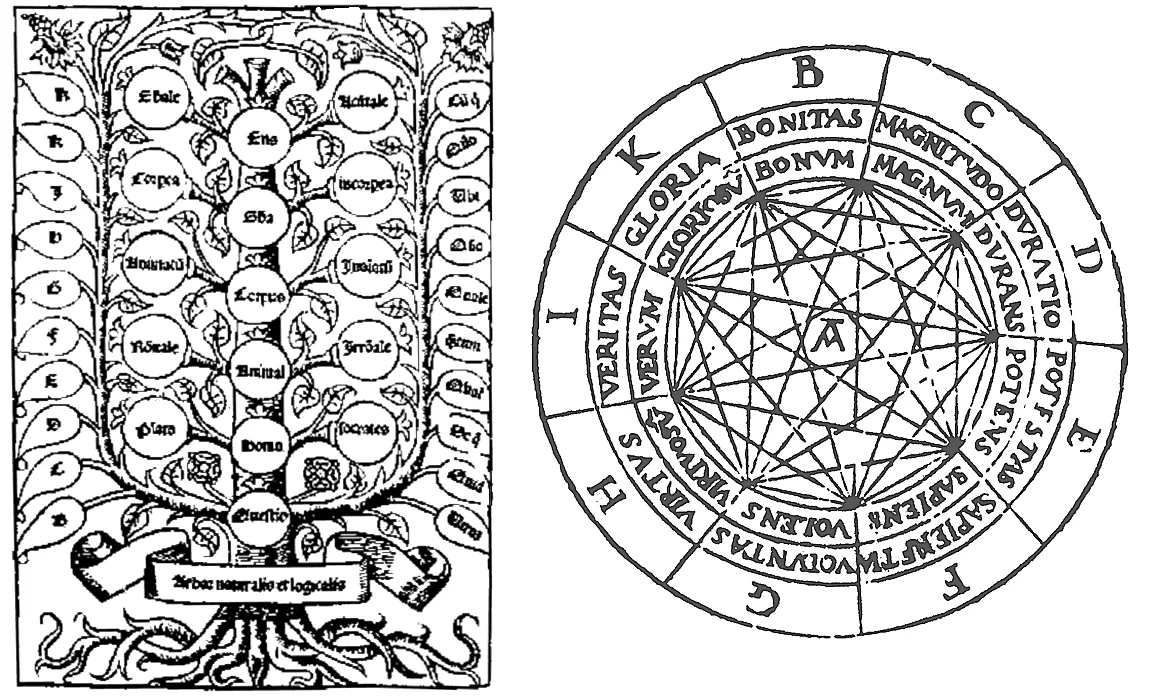
Philosopher and mystic Ramon Llull built a machine made of spinning paper discs in 1275 that could generate every possible combination of ideas. He called it the Ars Magna. Historians of computing now...
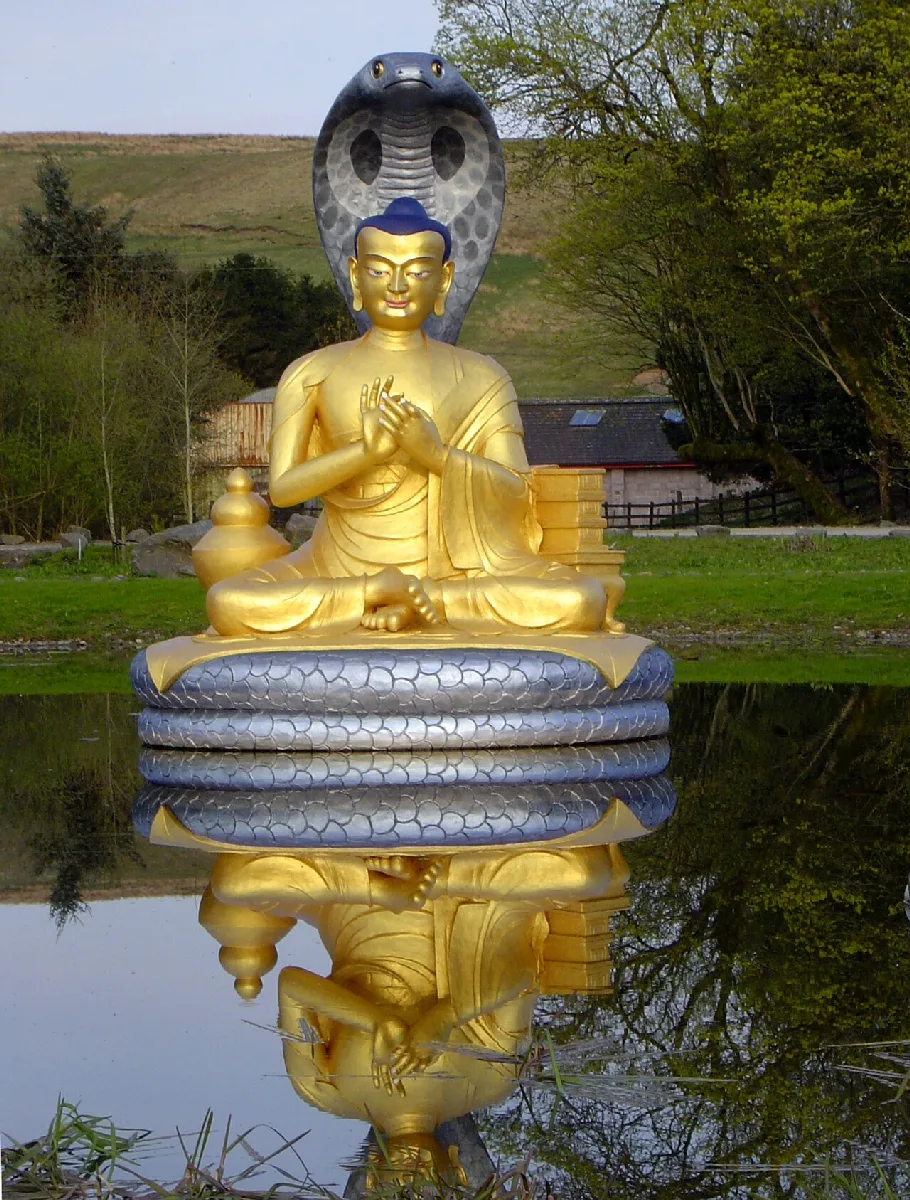
Nagarjuna, a Buddhist philosopher in 2nd-century India, argued that nothing has any inherent existence. Everything depends on everything else. His concept of sunyata, or emptiness, became the foundati...
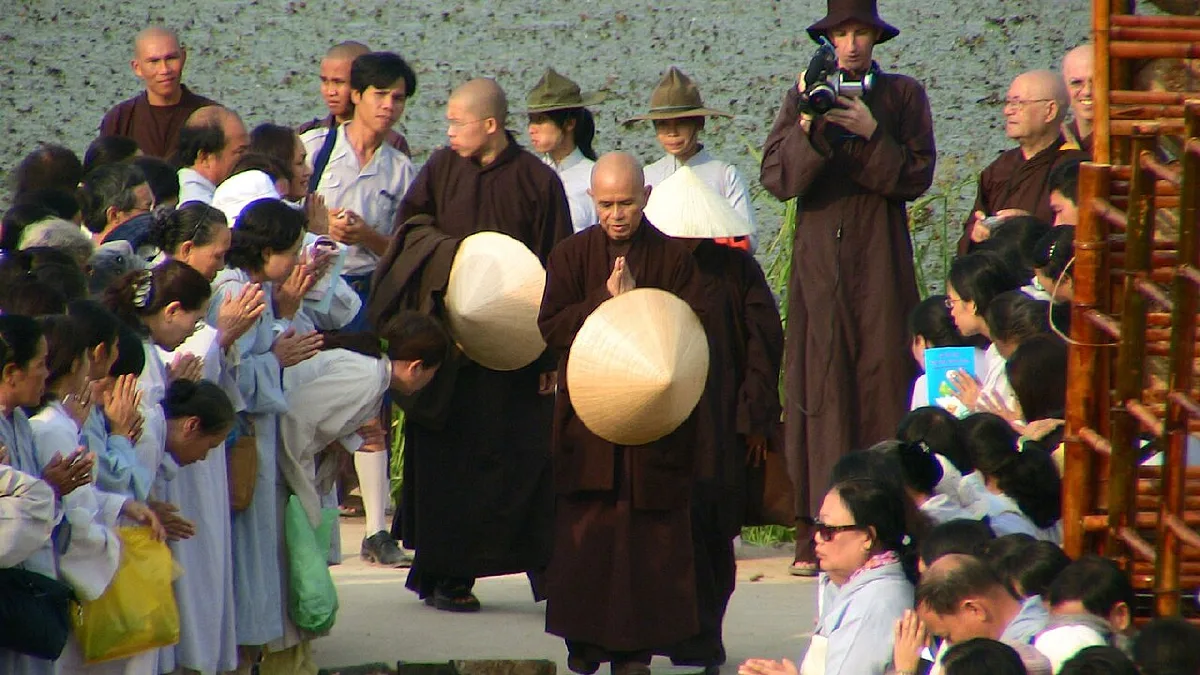
The Buddhist monk Thich Nhat Hanh was exiled from Vietnam in 1966 for opposing the war. Martin Luther King Jr. nominated him for the Nobel Peace Prize. He spent 39 years in exile in France, teaching m...
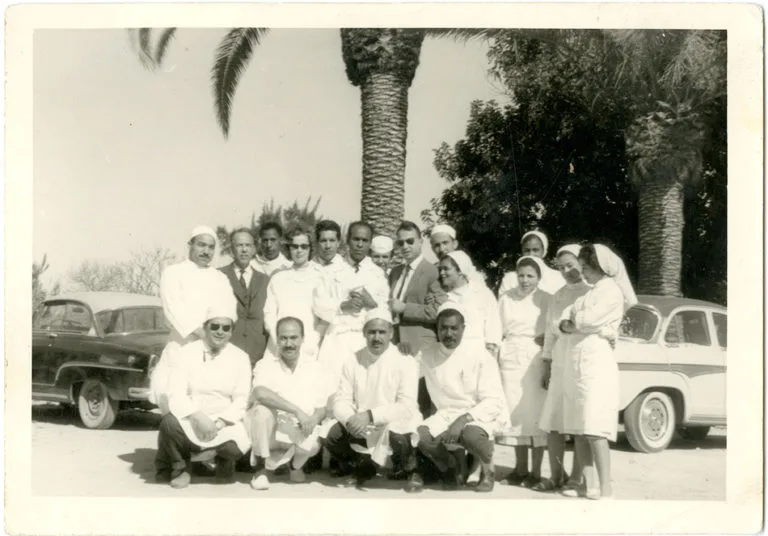
Frantz Fanon, a psychiatrist from Martinique, treated both French soldiers and Algerian torture victims during the Algerian War. The contradiction broke him. He resigned and wrote The Wretched of the...
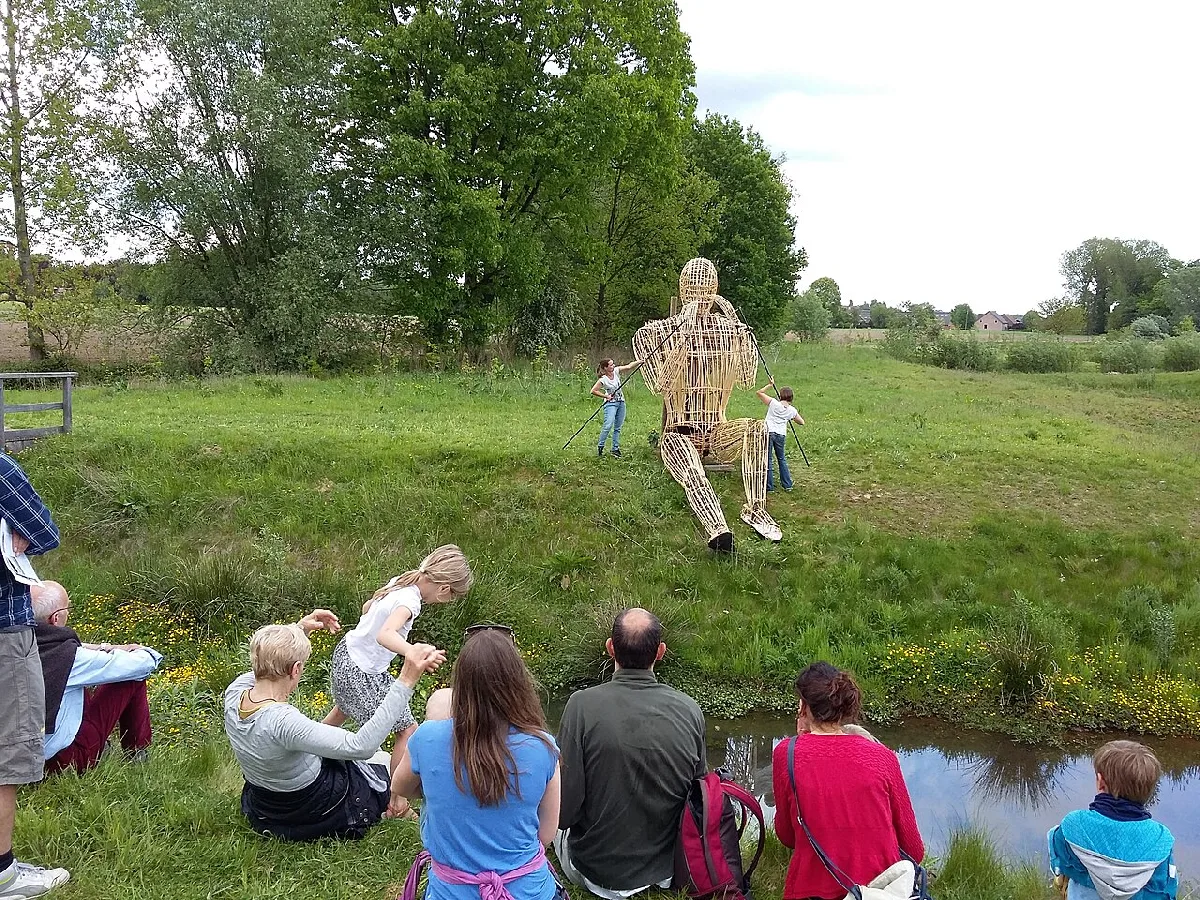
The Nyaya school of Indian philosophy developed formal logic around 200 BC, independently of Aristotle. They identified the same logical fallacies, the same rules of valid inference, and added categor...
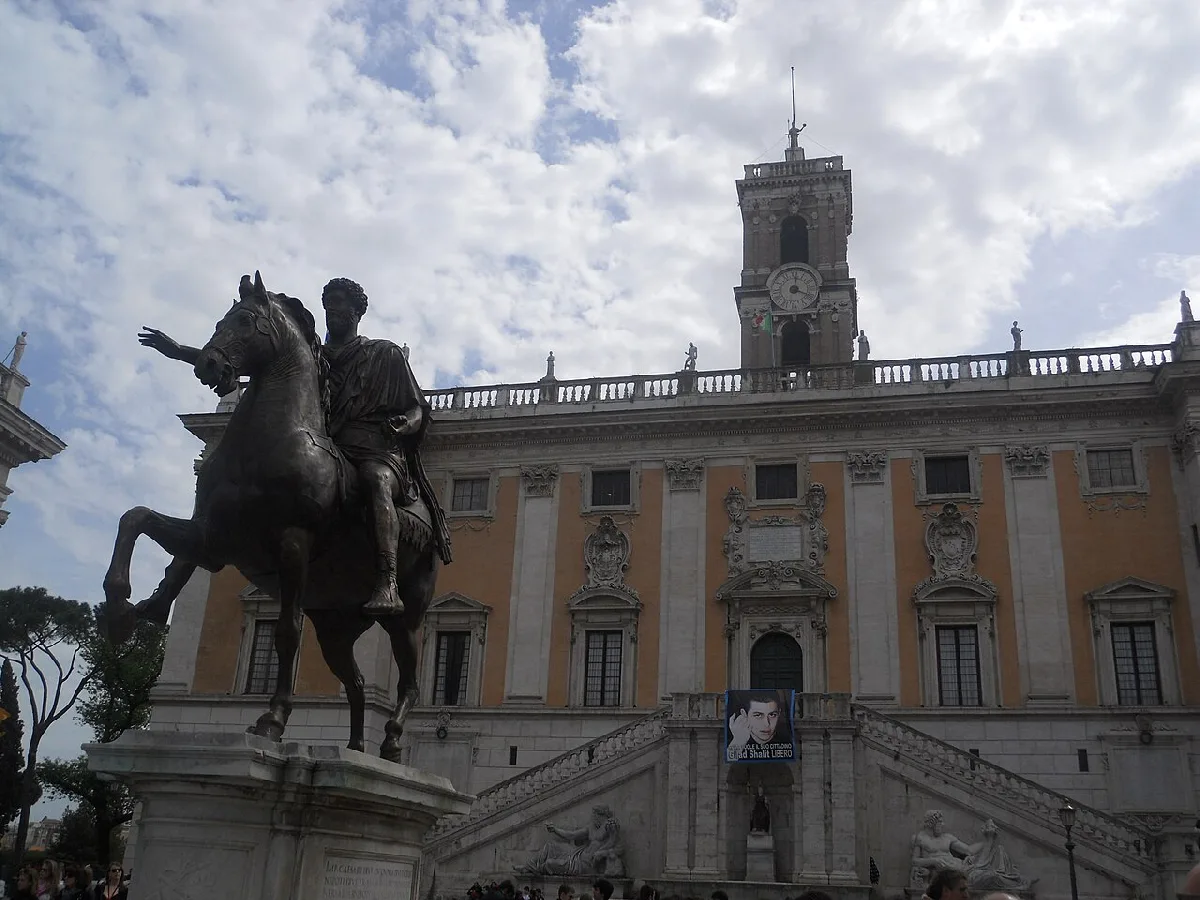
The Stoic emperor Marcus Aurelius wrote his Meditations entirely for himself. He never intended anyone else to read them. The book survived 1,800 years by accident. It is now the most widely read work...
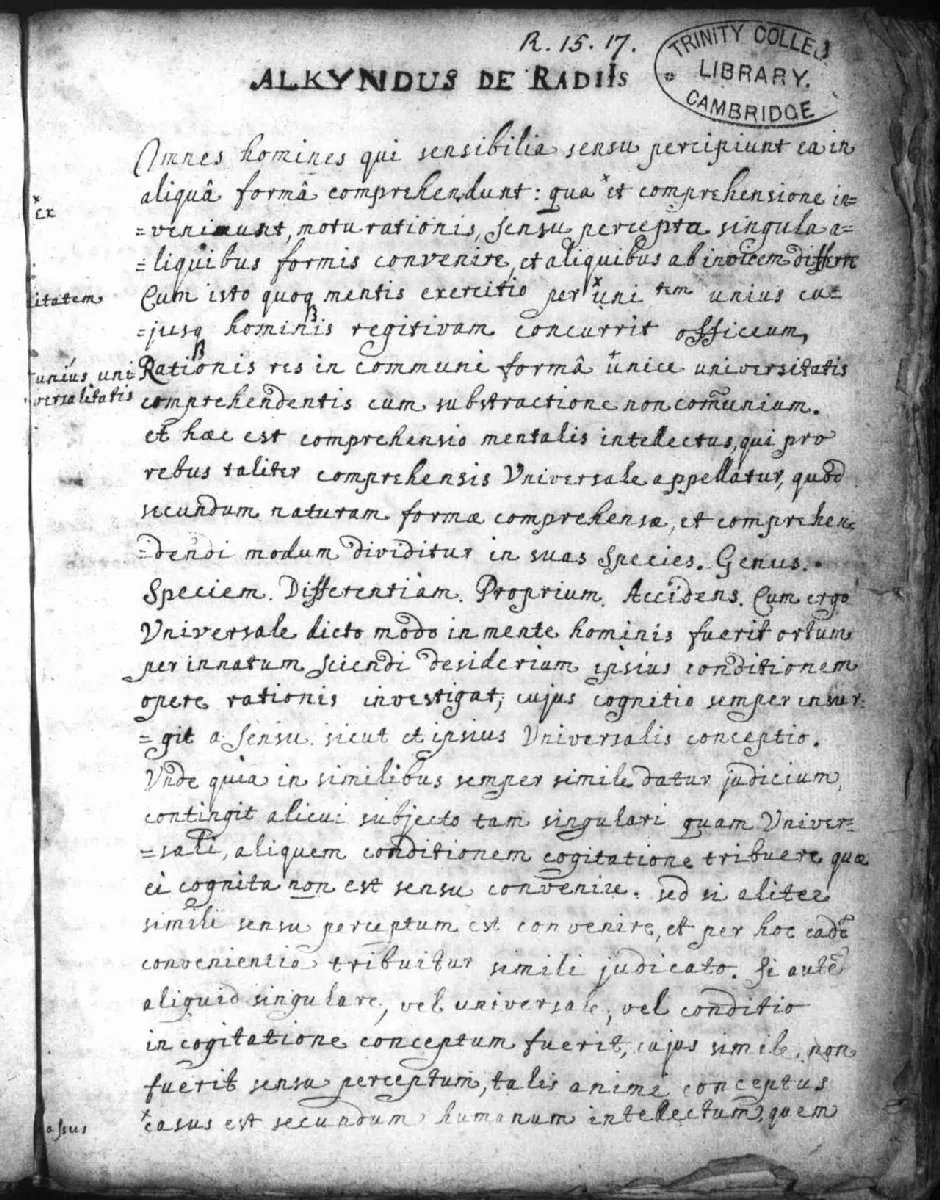
Al-Kindi, writing in 9th-century Baghdad, argued that foreign ideas should be welcomed regardless of their origin. He translated Greek philosophy into Arabic at a time when some scholars considered it...
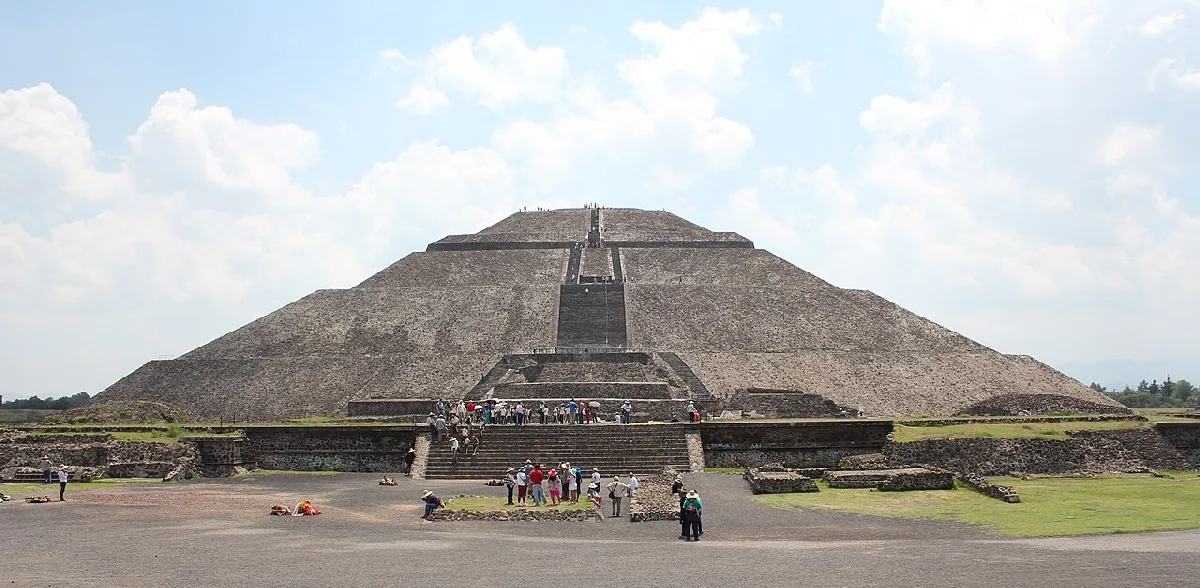
The Aztec concept of teotl described reality as a single, dynamic, self-generating force. There was no separation between the sacred and the ordinary. A flower, a war, and a song were all expressions...
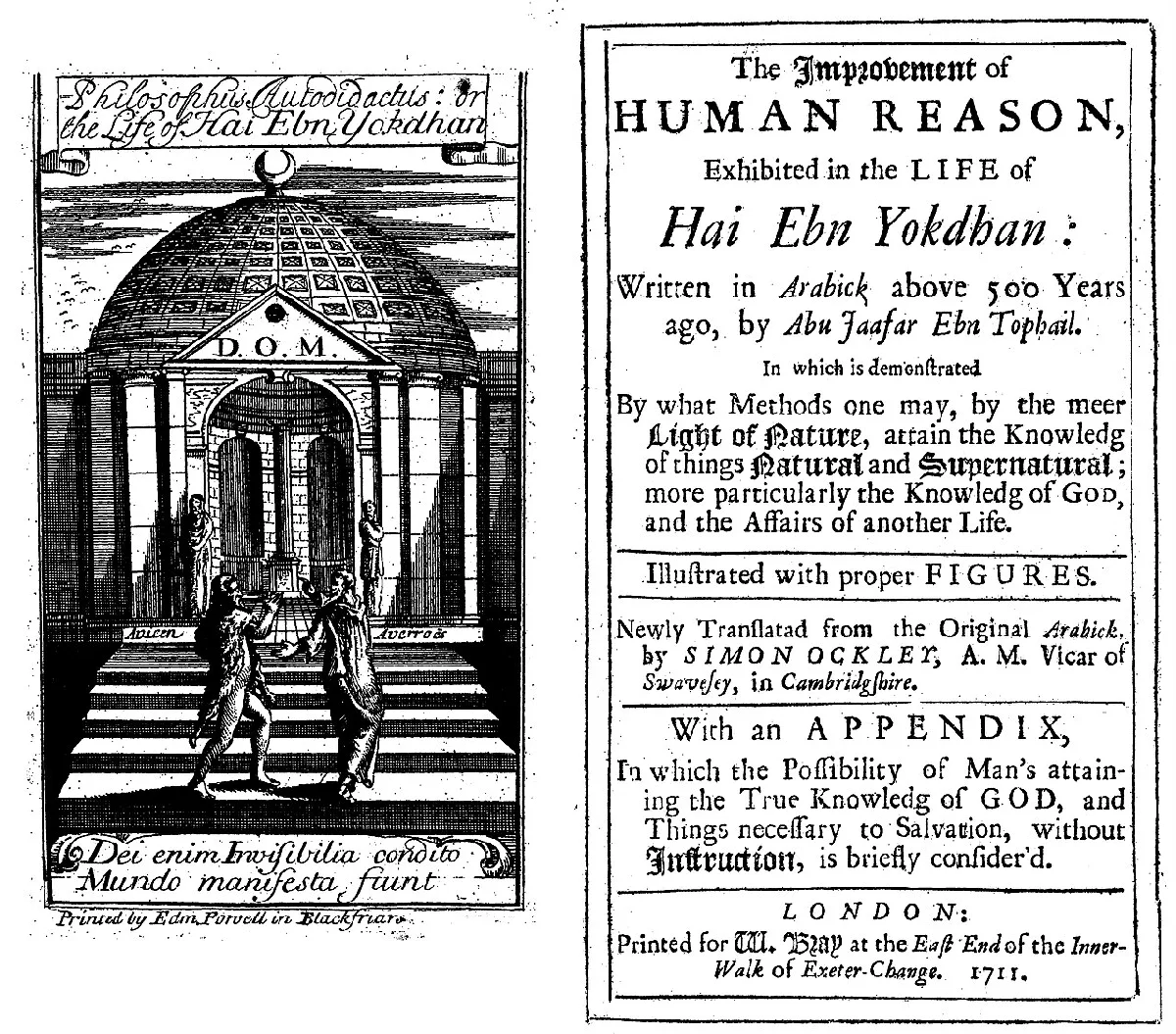
Ibn Tufail wrote a novel in 12th century Andalusia about a child raised by a gazelle on a desert island who discovers philosophy through pure reason alone. It was translated into Latin and English, an...
papr turns your books into a reading persona, chapter insights you can listen to, and a quiet way to find people who think like you. Free to join.
Get papr — it's free