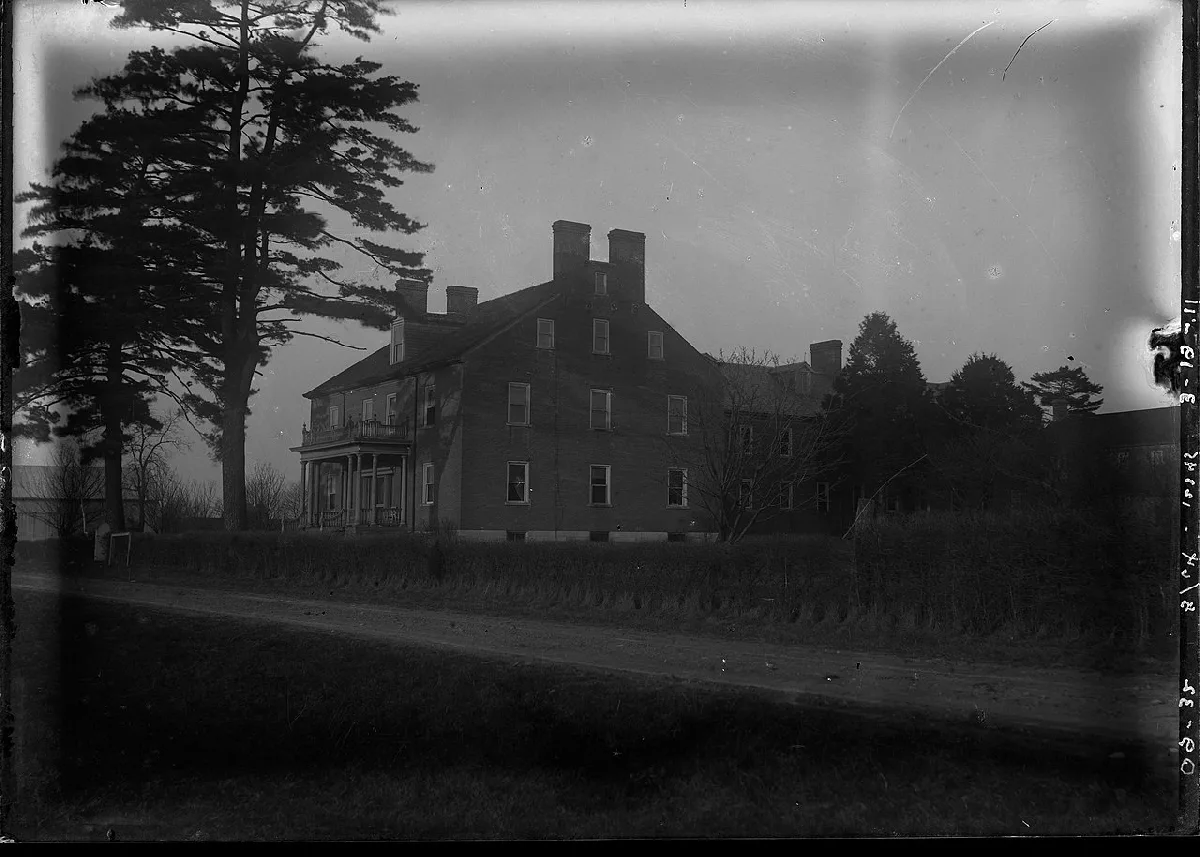
The Shakers, an 18th century religious community in America, believed that making something well was an act of prayer. Their furniture, with clean lines and no ornament, looks exactly like modern Scan...
Design — The Made World
Design is the intersection of function and intent — the discipline of shaping everyday objects, interfaces, and systems so that they work the way they look like they should. The drops here cover graphic design, product design, and the designers who shaped the things we now take for granted. Good design disappears into use. These pieces bring it back into view.
The Shakers, an 18th century religious community in America, believed that making something well was an act of prayer. Their furniture, with clean lines and no ornament, looks exactly like modern Scan...
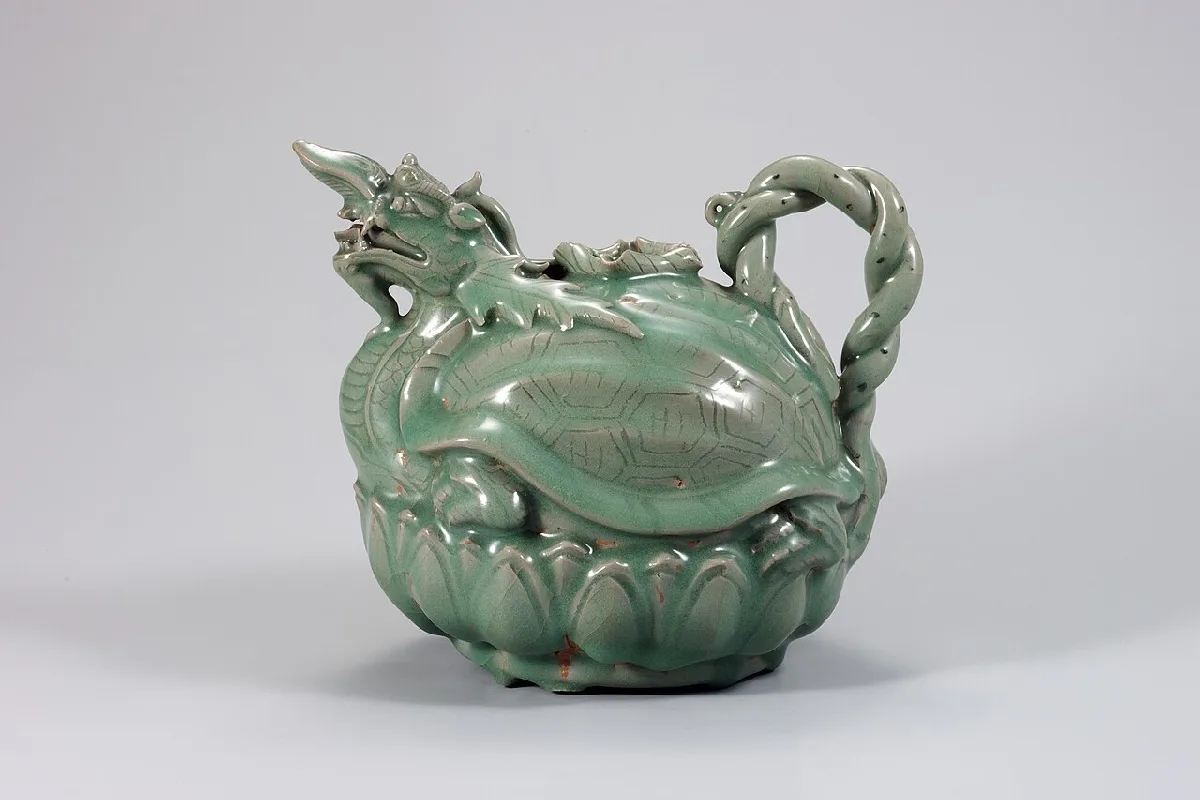
Korean celadon pottery from the Goryeo dynasty (918-1392) achieved a jade-green glaze so specific that Chinese potters, who invented celadon, admitted they couldn't replicate it. The technique was los...
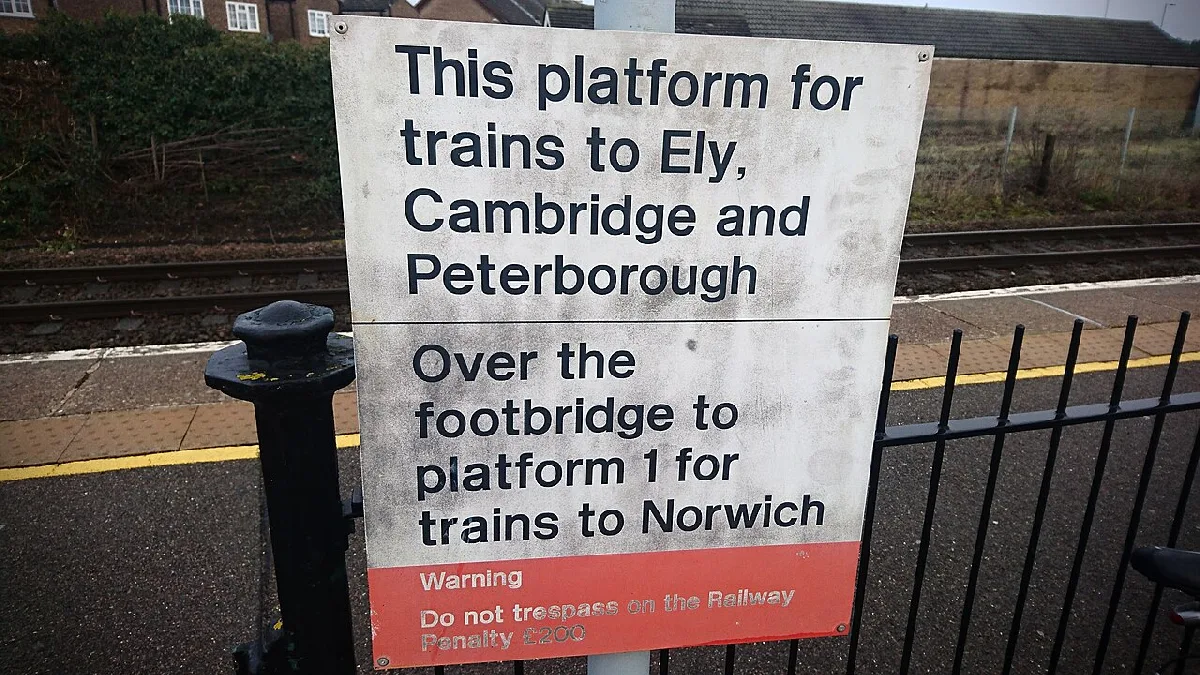
Margaret Calvert designed the road signs used across Britain in the 1960s. She modeled the cow warning sign on a specific Hereford cow named Patience. The child on the school warning sign was based on...
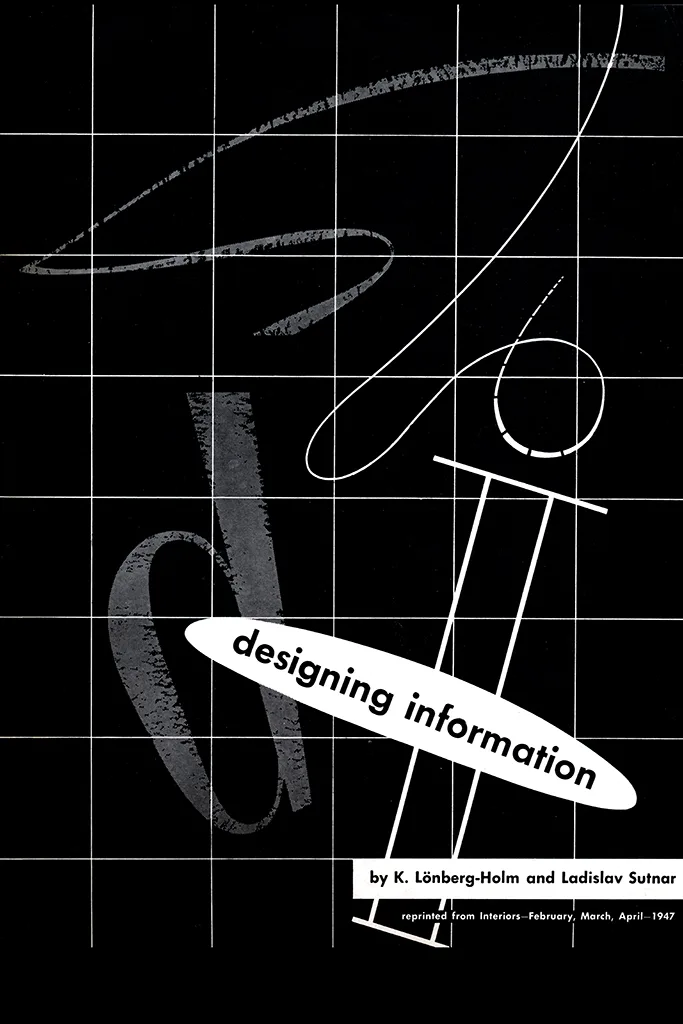
Ladislav Sutnar, a Czech designer who fled to New York in 1939, invented the parentheses around telephone area codes. Before him, phone numbers were an unreadable string of digits. He believed that in...
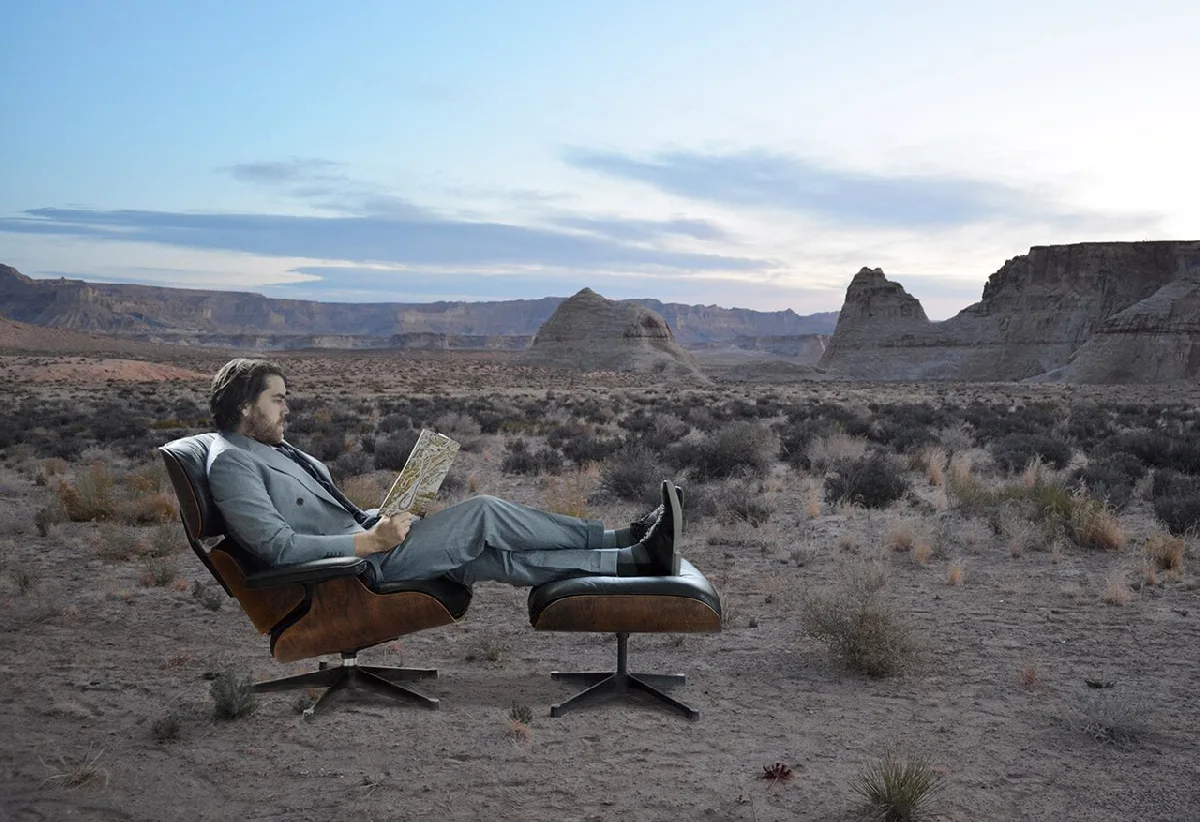
The Eames chair took Charles and Ray Eames four years and hundreds of prototypes to perfect. They started by molding plywood splints for injured WWII soldiers. The technology that saved legs became th...
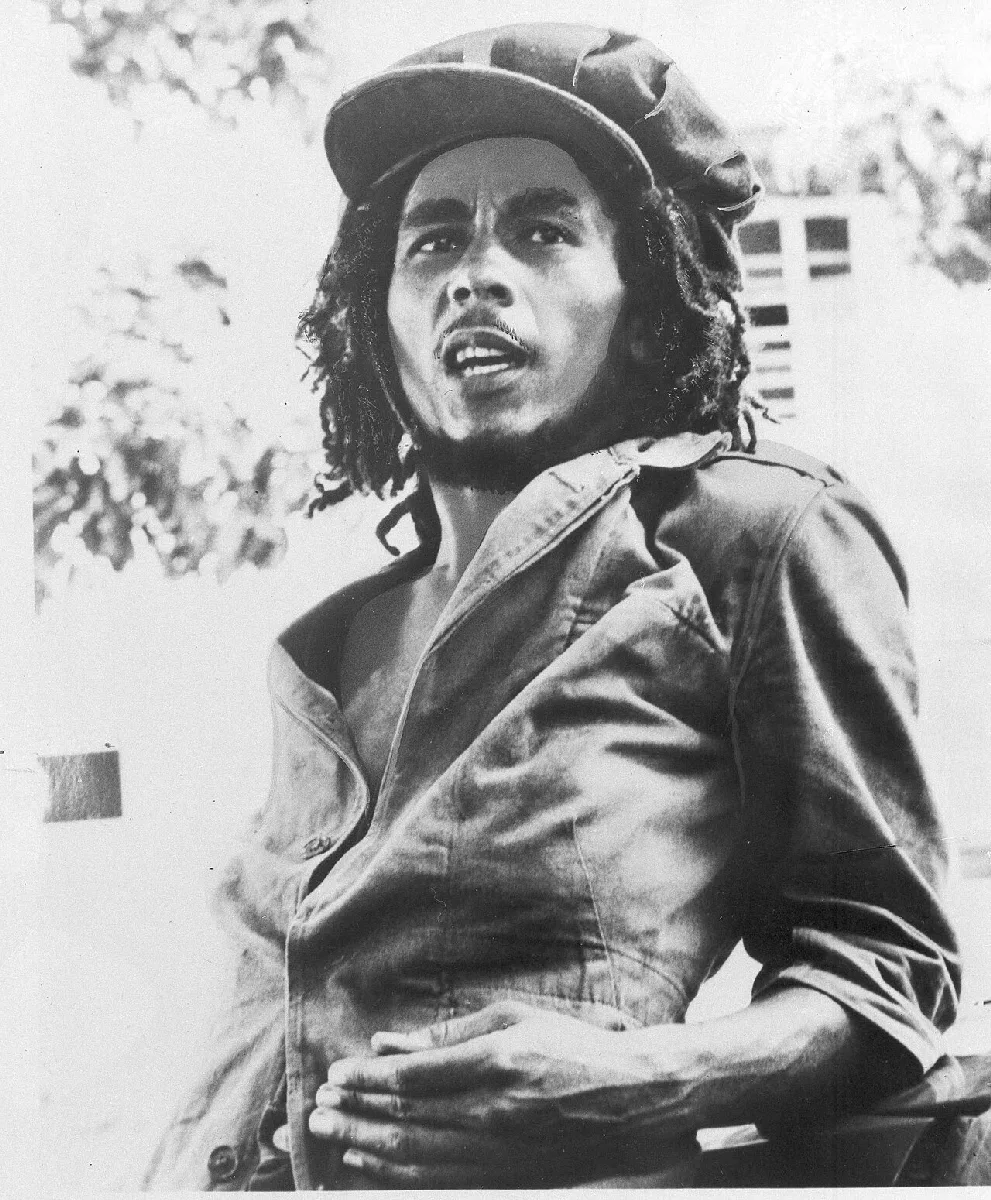
In 1972, the Jamaican painter and designer Neville Garrick became Bob Marley's art director. He designed album covers, stage sets, and concert posters using Pan-African colors and Rastafari symbols. H...
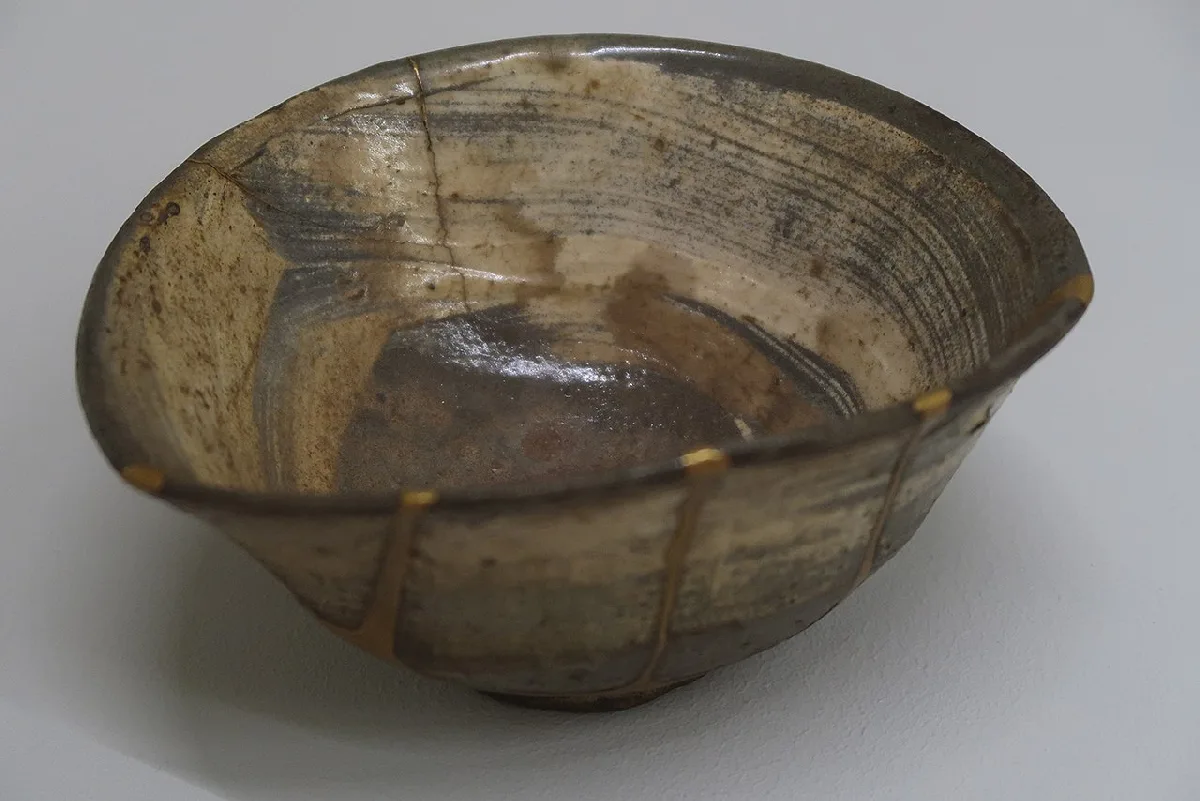
The Japanese concept of wabi-sabi finds beauty in imperfection and impermanence. A cracked tea bowl repaired with gold (kintsugi) is considered more beautiful than an unbroken one. The flaw is not hid...
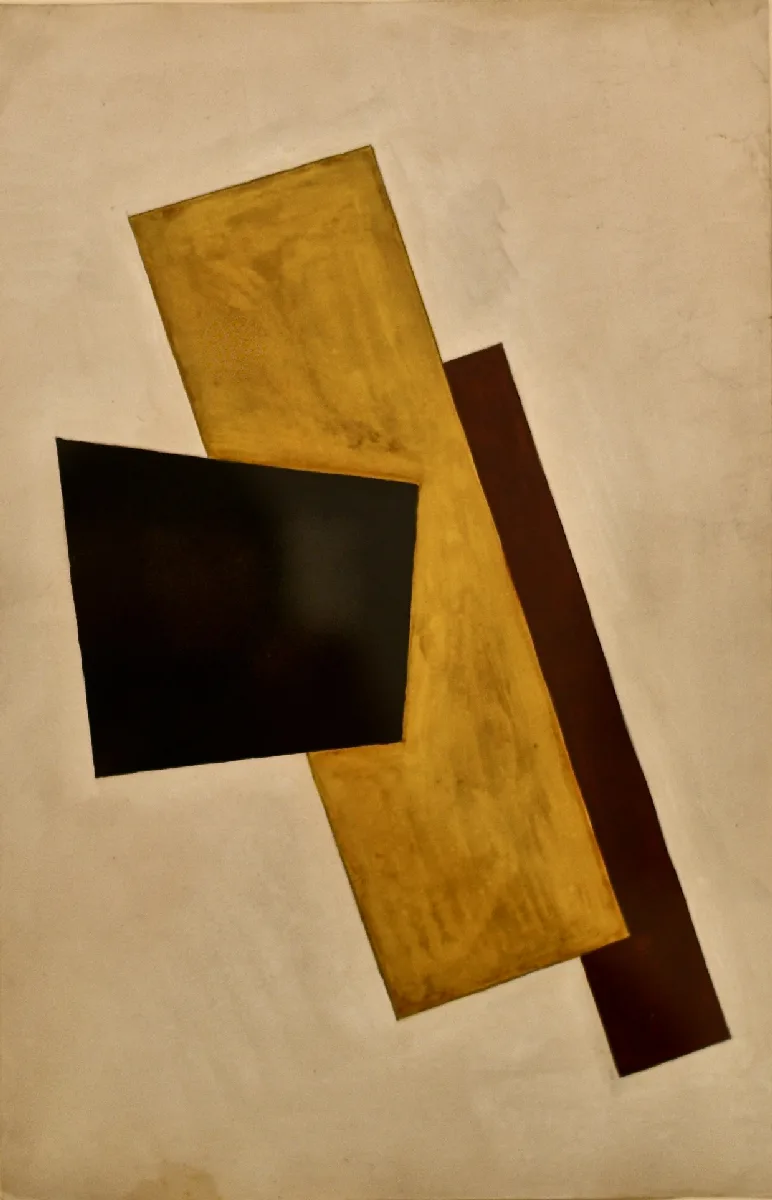
In 1920s Soviet Russia, constructivist designers like Rodchenko and Stepanova believed art should serve the revolution. They designed worker uniforms, propaganda posters, and public kiosks. Their grap...
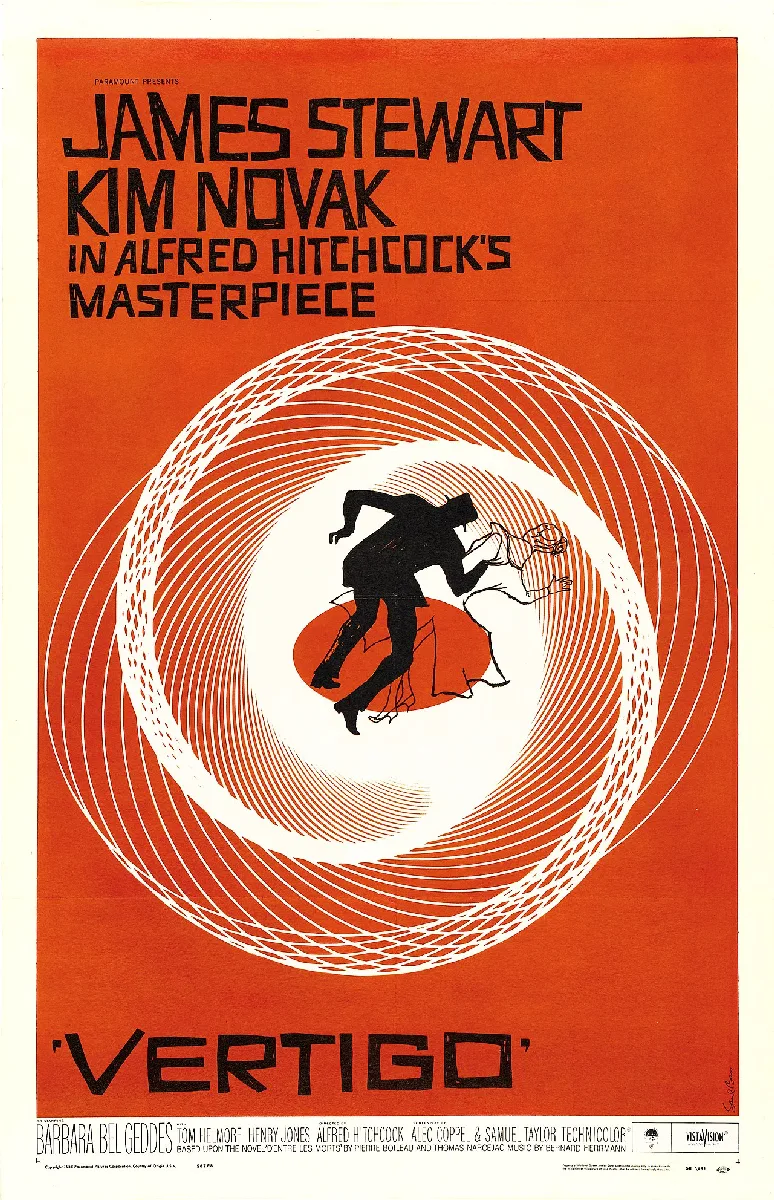
Saul Bass designed the opening title sequences for Vertigo, Psycho, and Goodfellas. Before him, movie credits were white text on black backgrounds. He turned them into short films of their own. Hitchc...
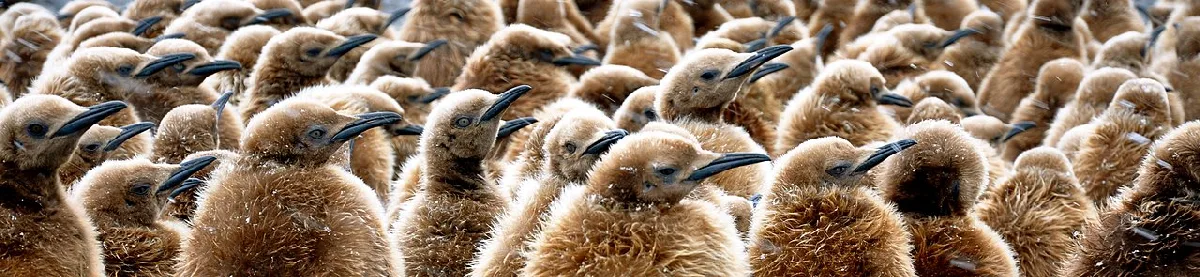
The Penguin paperback cover system, designed by Jan Tschichold in 1947, used three colors and a strict grid. Orange for fiction, green for crime, blue for nonfiction. Tschichold redesigned over 500 co...
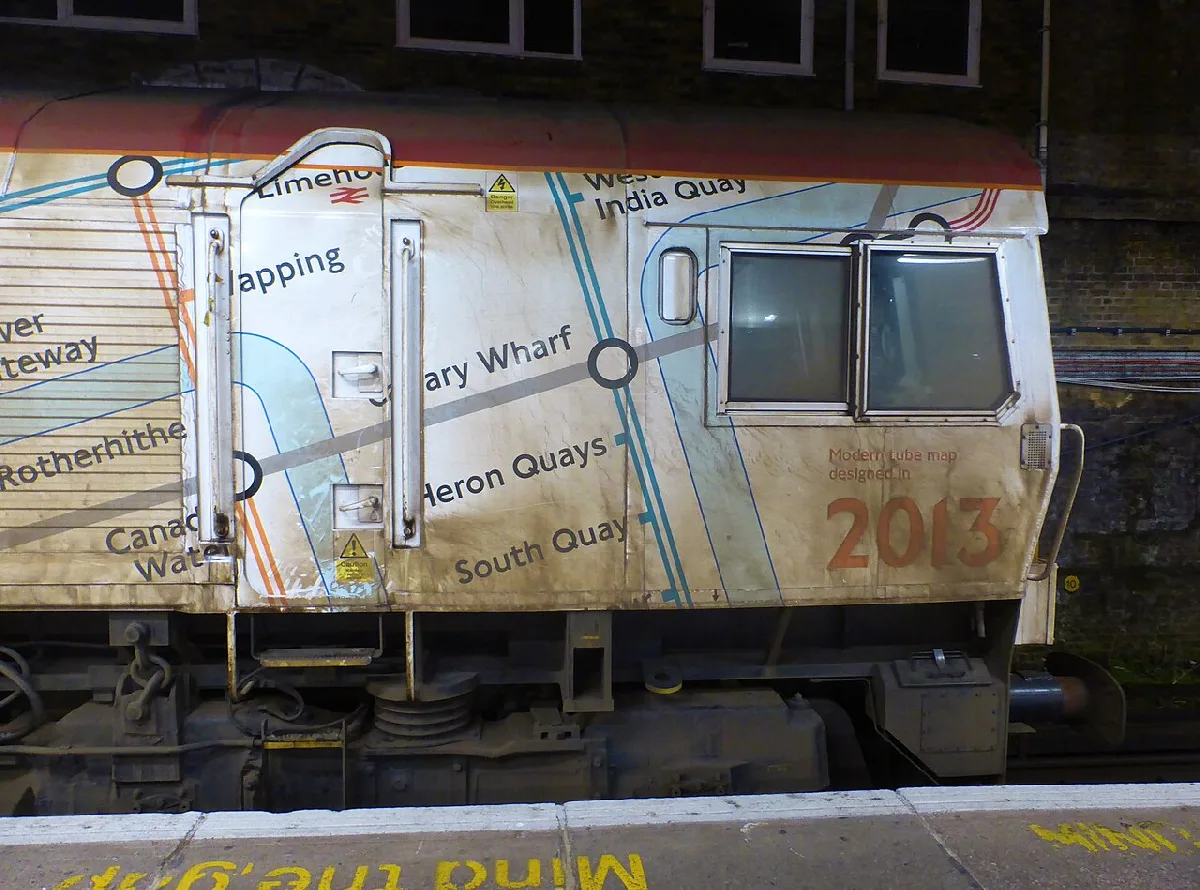
The London Underground map, designed by Harry Beck in 1931, was initially rejected by his employers as too radical. It ignored geography entirely and treated the system as an electrical circuit. It be...
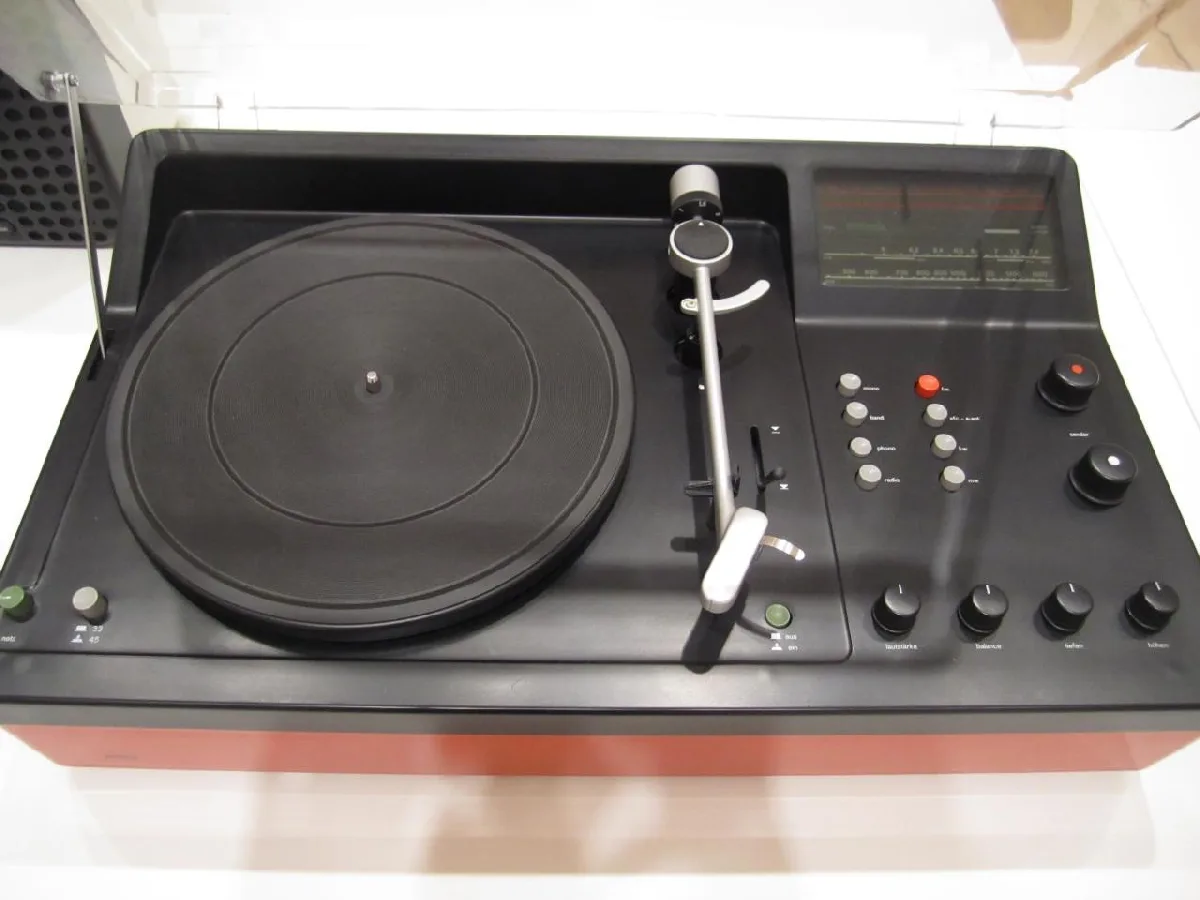
Dieter Rams designed products for Braun for over 40 years. His ten principles of good design include: Good design is as little design as possible. When Jony Ive designed the iPhone, he kept a photo of...
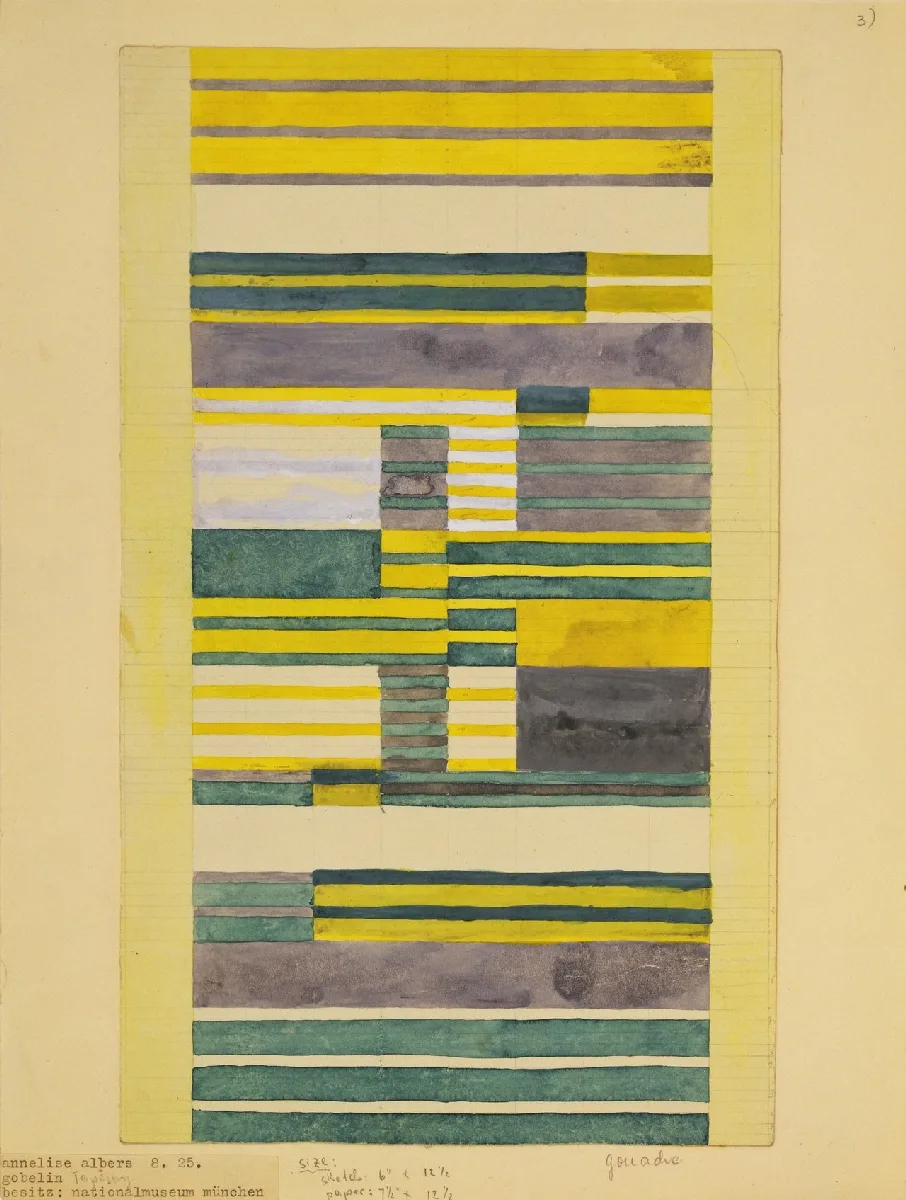
Anni Albers was a weaver at the Bauhaus who turned textiles into a fine art. When the Nazis closed the school, she fled to North Carolina and reinvented American textile design. The Museum of Modern A...
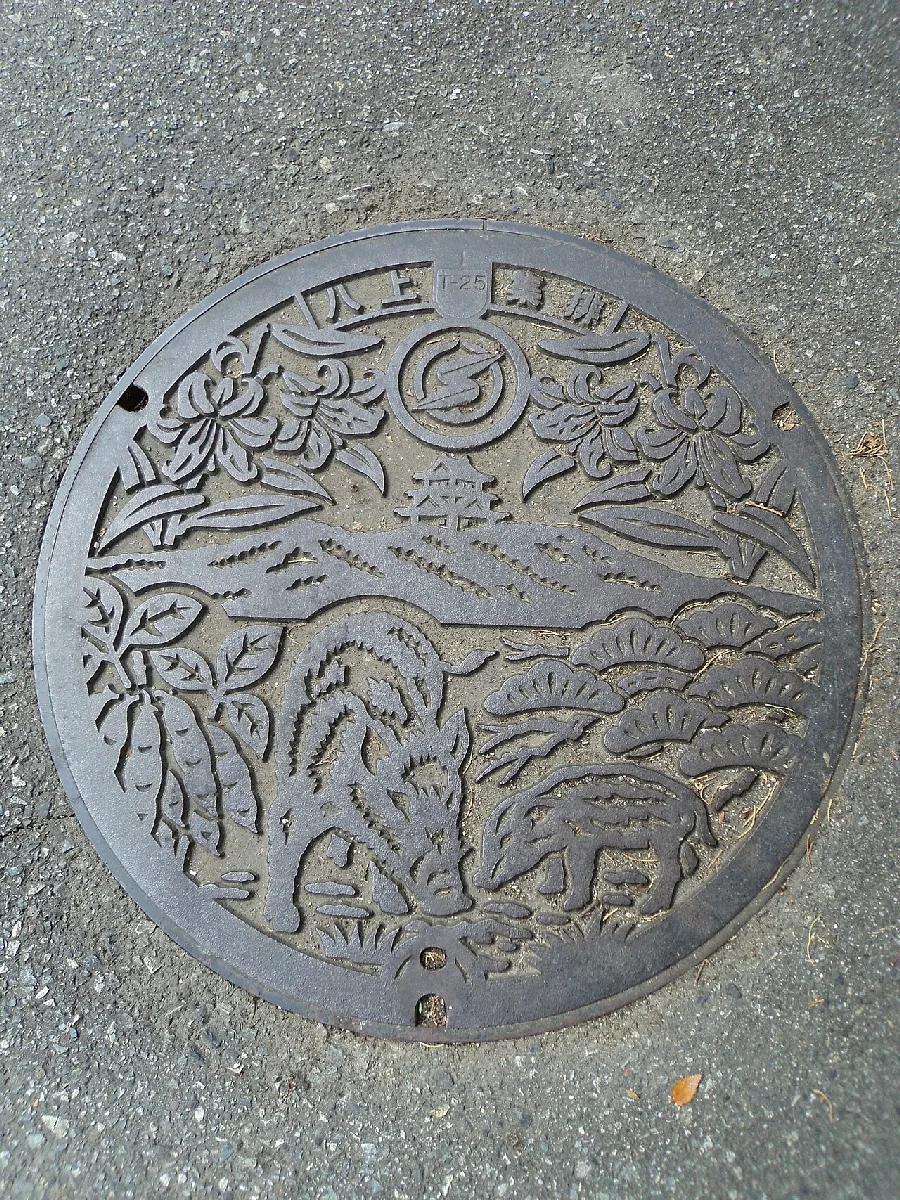
Japanese manhole covers are hand-designed works of art. Over 6,000 cities have unique covers featuring local flowers, fish, landmarks, and festivals. Collectors photograph and trade them. Some cities...

The Bauhaus school lasted only 14 years, from 1919 to 1933, before the Nazis shut it down. In that time, it redefined architecture, furniture, typography, and graphic design. Almost every sans-serif f...
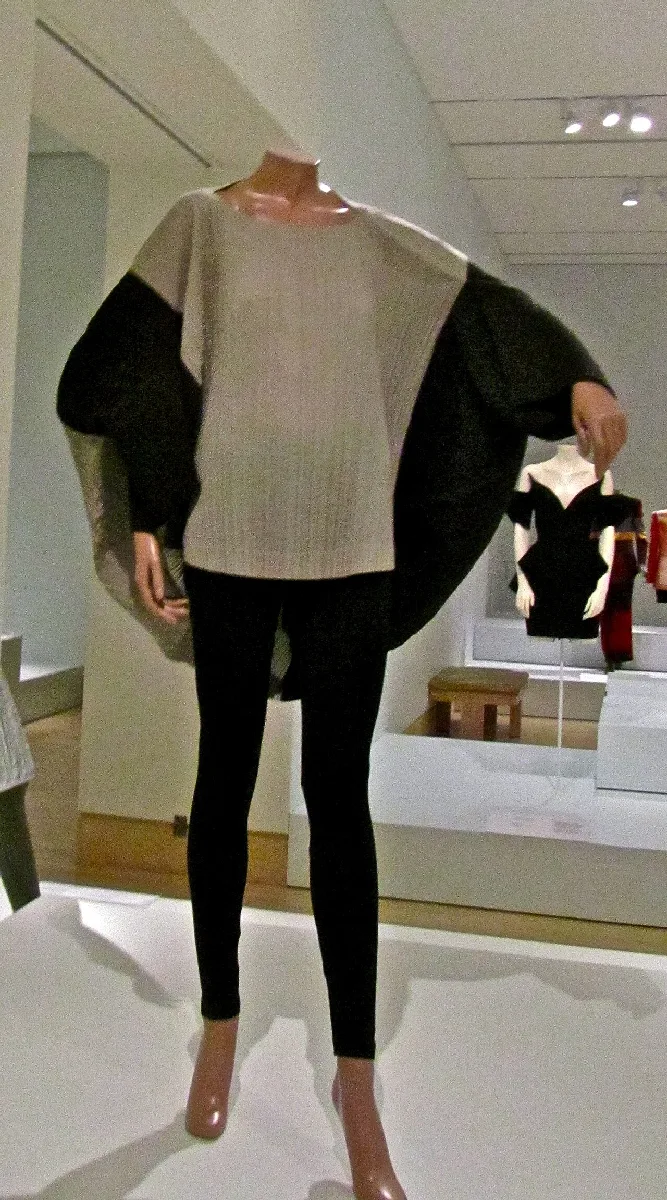
Issey Miyake folded fabric into permanent pleats by pressing it between layers of paper in a heat press. The technique, called Pleats Please, meant clothes could be folded flat, weighed almost nothing...

Saul Bass designed the AT&T logo, the United Airlines logo, and movie title sequences for Hitchcock, Kubrick, and Scorsese. He once said: I want to make beautiful things, even if nobody cares, as oppo...
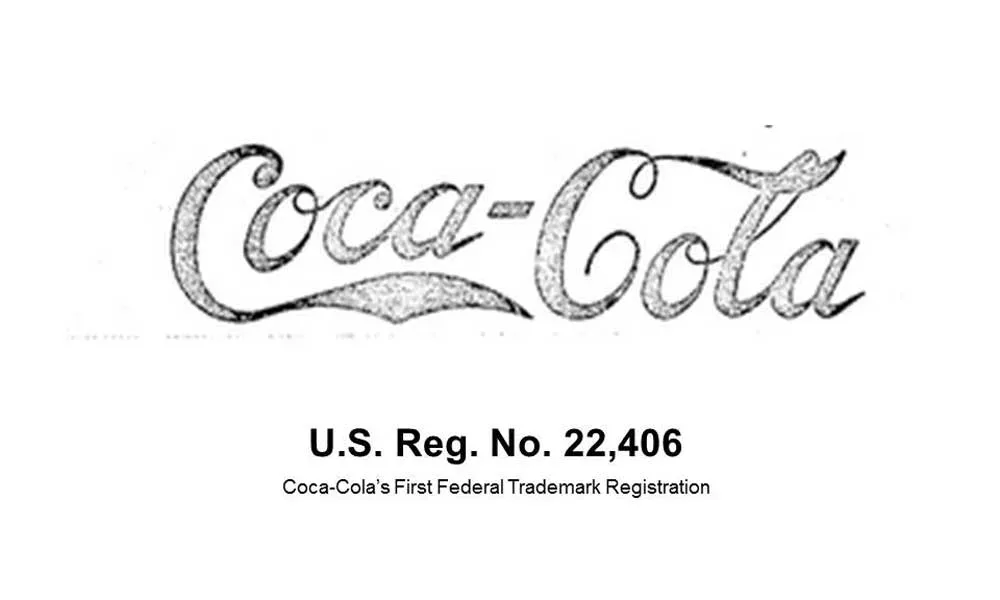
The red Coca-Cola logo has remained essentially unchanged since 1887. It was hand-lettered by Frank Robinson, the company's bookkeeper, who chose Spencerian script because he thought the two capital C...
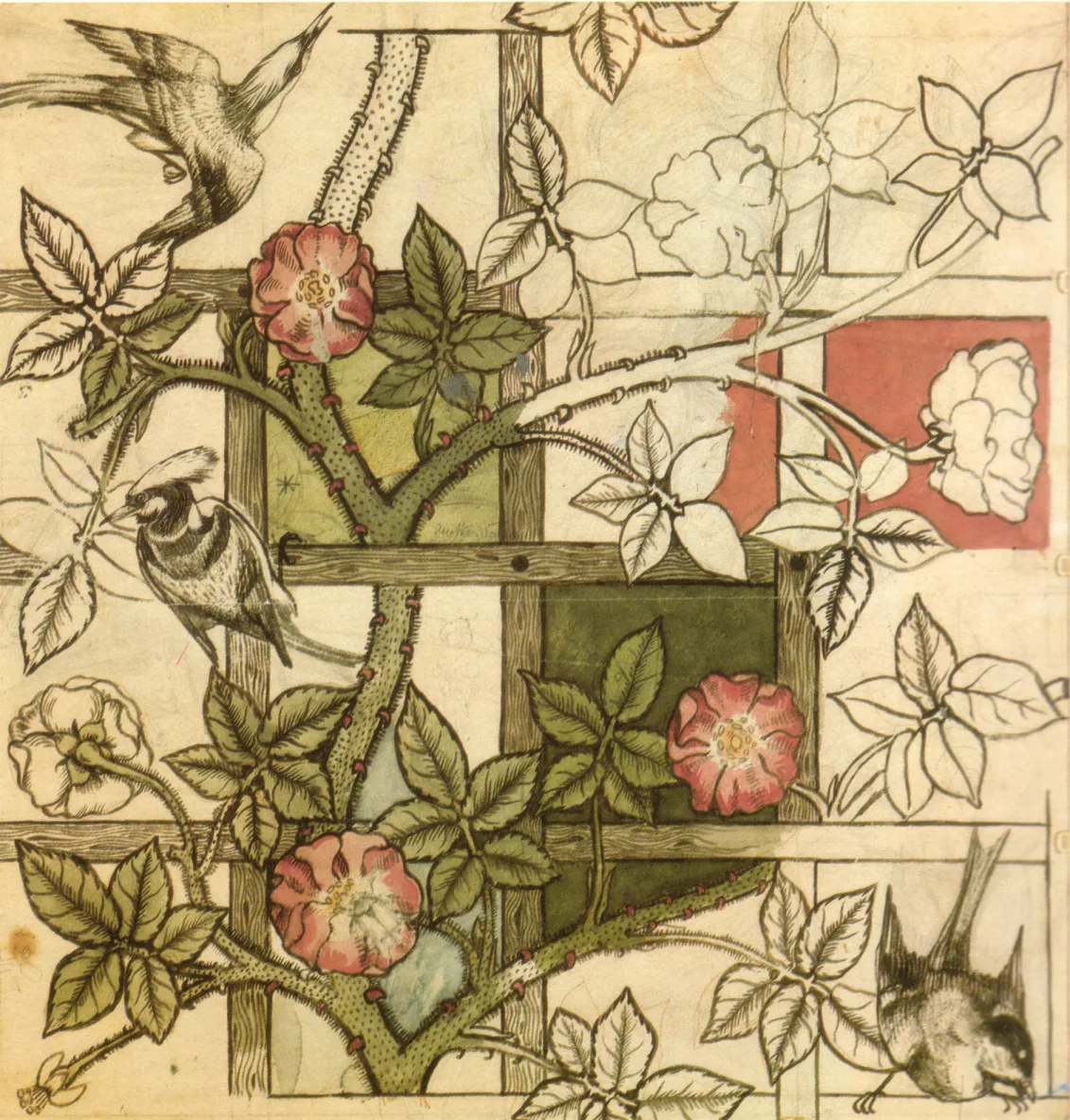
William Morris, horrified by ugly Victorian factory goods, started a design firm in 1861 that made everything by hand: wallpaper, furniture, books, stained glass. He wanted beautiful objects for ordin...
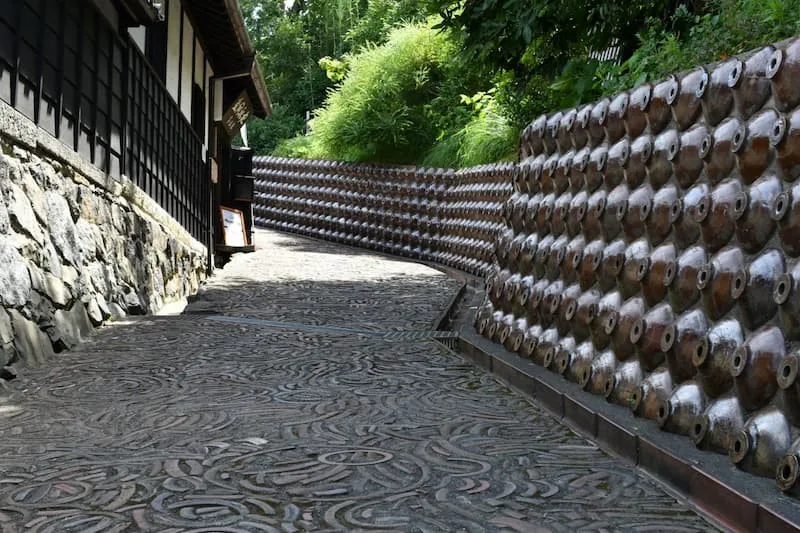
The Tokoname region of Japan has been making ceramics for 900 years. Local designers now embed clay pipes into seaside walking paths that amplify the sound of the wind. You can hear the ocean singing...
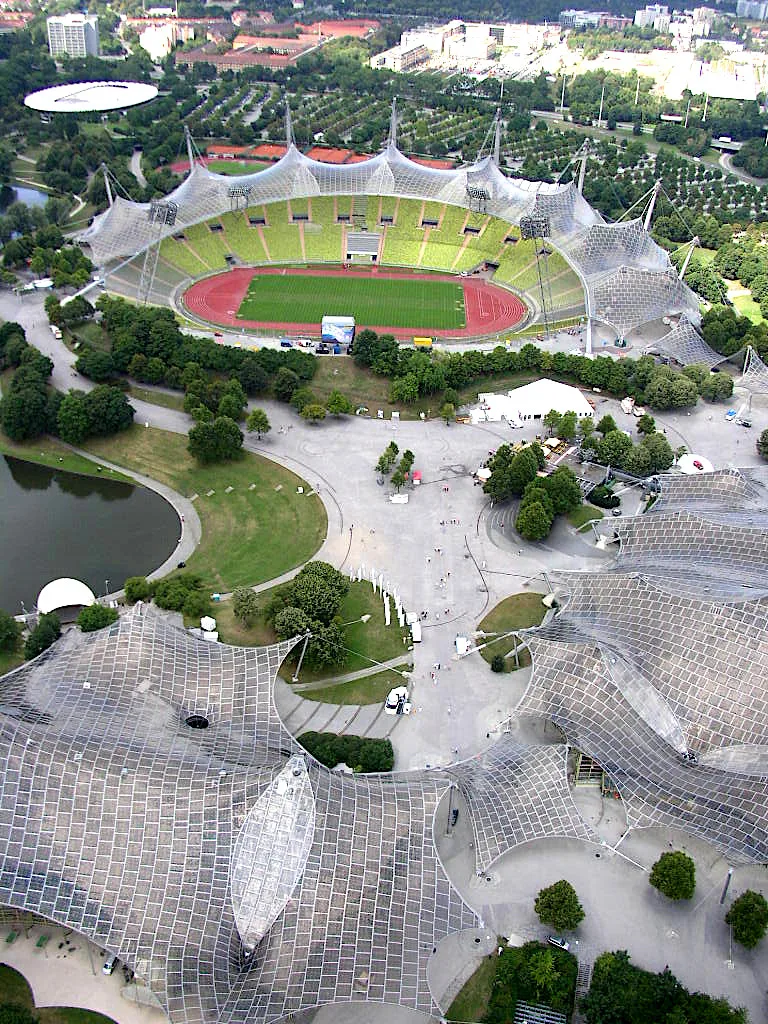
Frei Otto designed the 1972 Munich Olympic Stadium roof using soap bubbles. He dipped wire models into soapy water and photographed the films that formed. The soap always found the most efficient shap...
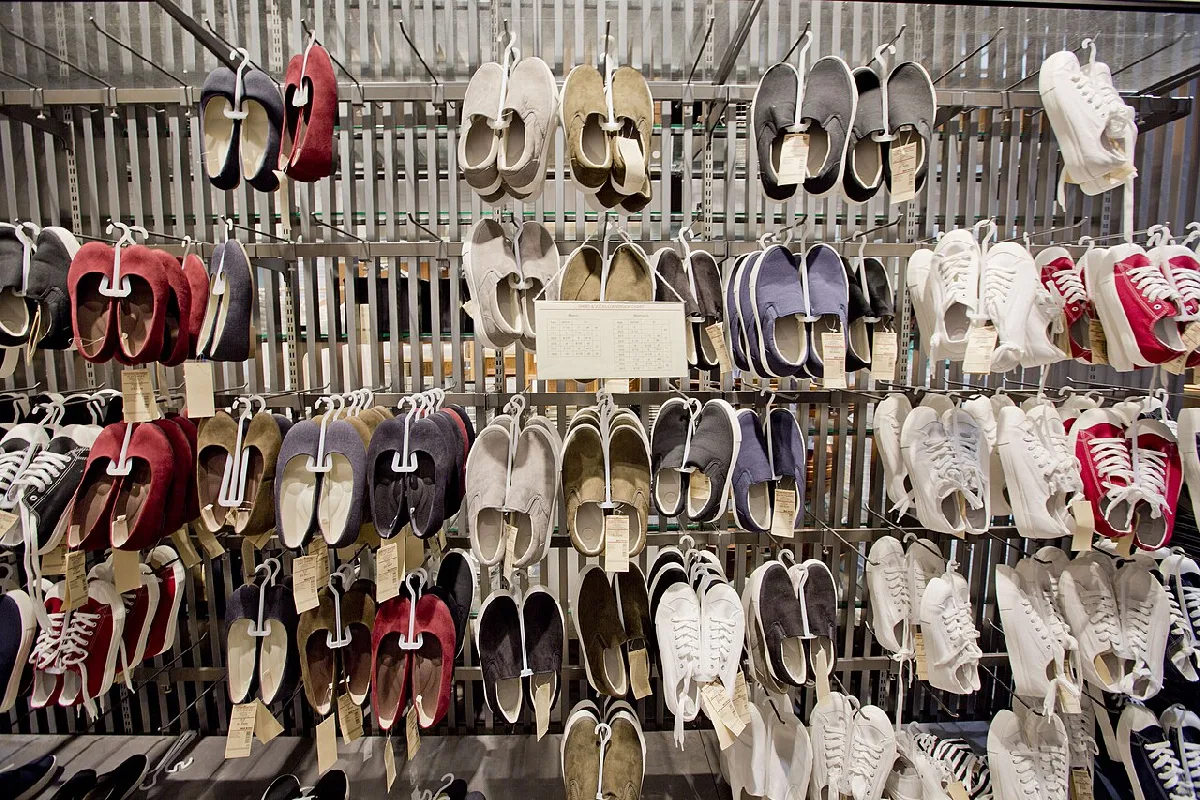
Kenya Hara, the art director of Muji, describes the brand's philosophy as "emptiness." The products are designed to be so neutral they disappear into your life. The goal is not beauty or ugliness. The...
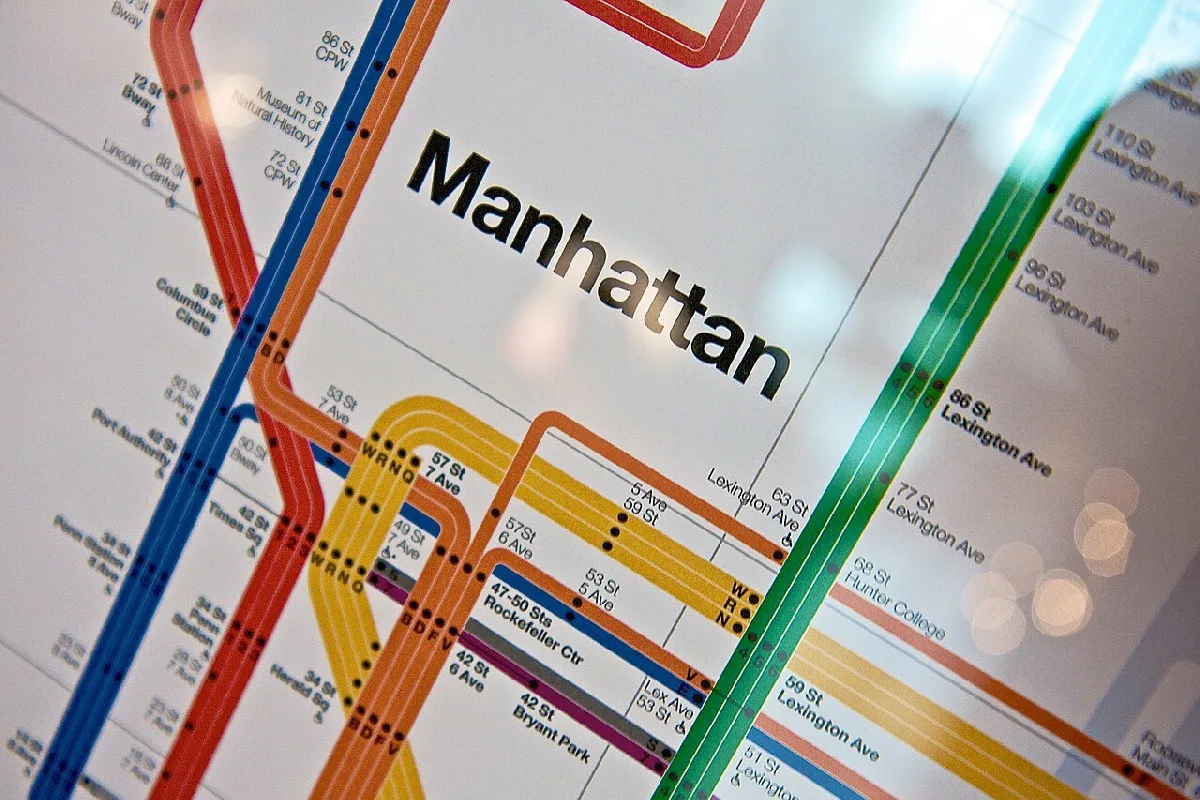
Massimo Vignelli designed the New York subway signage system, the Bloomingdale's logo, and American Airlines' visual identity. He owned only a few black outfits and ate at the same restaurant every da...
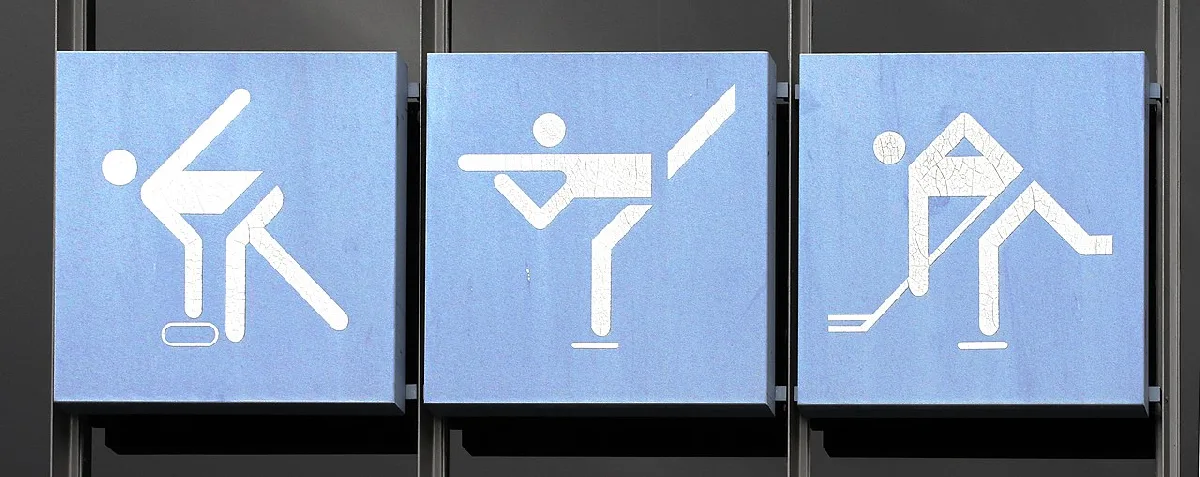
Otl Aicher designed the pictograms for the 1972 Munich Olympics using a strict grid of horizontal, vertical, and 45-degree lines. Every sport reduced to stick figures on a grid. Those pictograms becam...
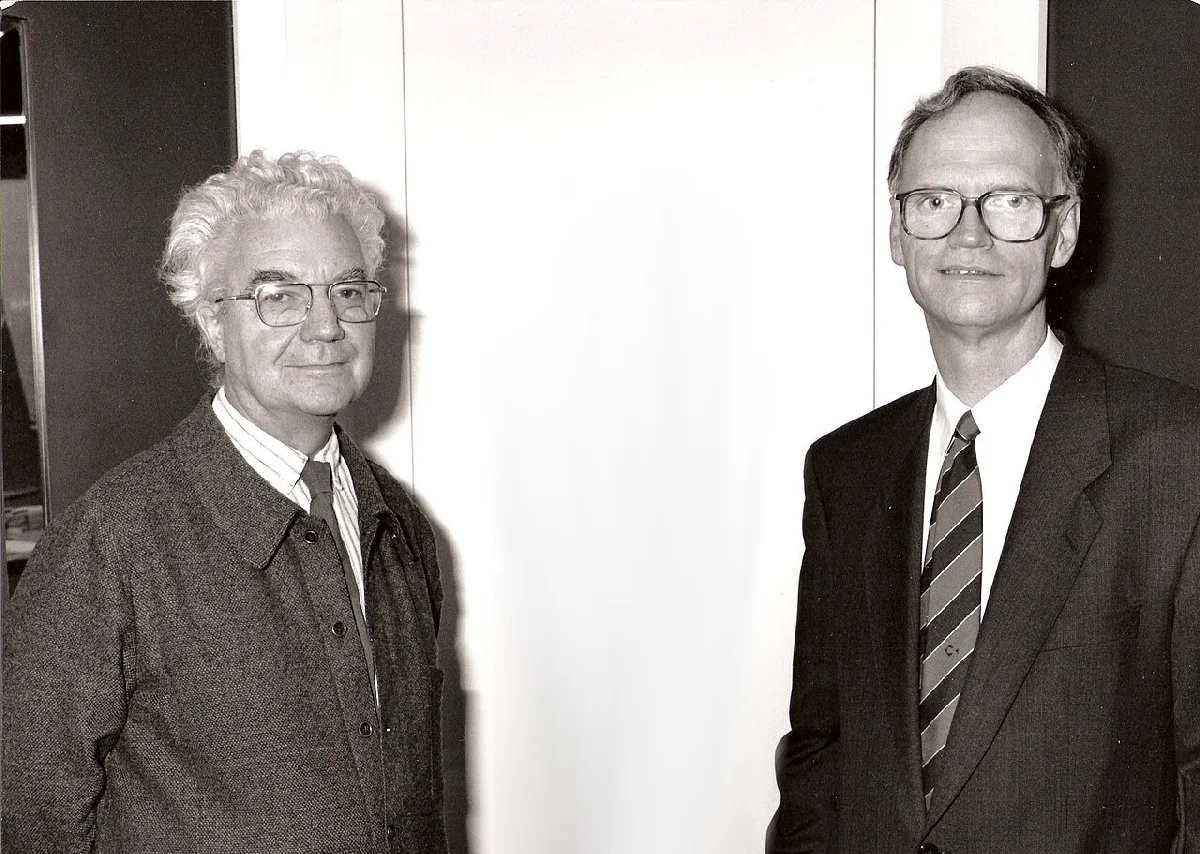
Adrian Frutiger designed the typeface for Charles de Gaulle Airport in Paris. He tested legibility by blurring the letters until they were almost unreadable. The font that remained clearest at the wor...
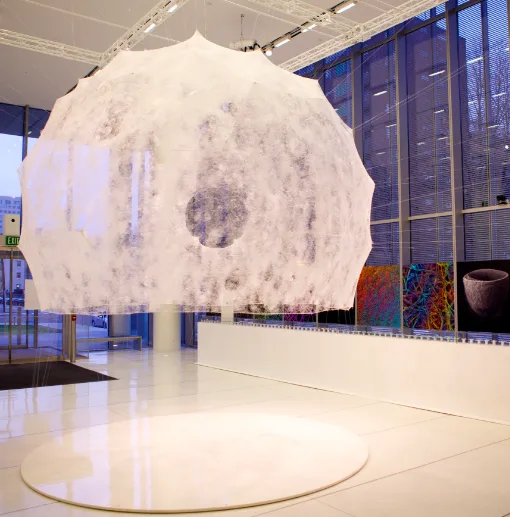
Neri Oxman, an Israeli-American designer at MIT, grows building materials using silkworms, bacteria, and melanin. One of her pavilions was constructed by 6,500 silkworms spinning thread across a metal...
papr turns your books into a reading persona, chapter insights you can listen to, and a quiet way to find people who think like you. Free to join.
Get papr — it's free