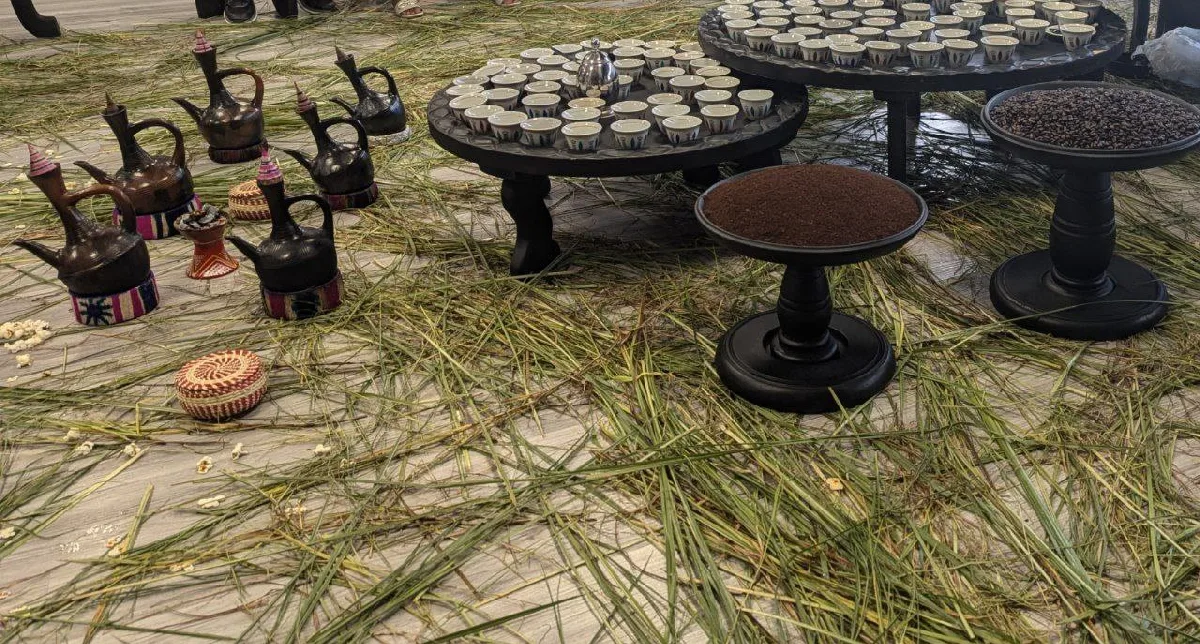
In Ethiopia, the coffee ceremony involves roasting green beans over charcoal, grinding them by hand, and brewing three rounds in a clay pot called a jebena. The entire process takes about an hour. Ref...
Food — Ingredients, Traditions, and the Stories Behind Dishes
Food is the one form of culture you consume directly. Every dish has a story — where an ingredient came from, what it meant, how it traveled. The drops here are small pieces of culinary history and tradition, written for readers who find the why of a dish as interesting as the taste.
In Ethiopia, the coffee ceremony involves roasting green beans over charcoal, grinding them by hand, and brewing three rounds in a clay pot called a jebena. The entire process takes about an hour. Ref...
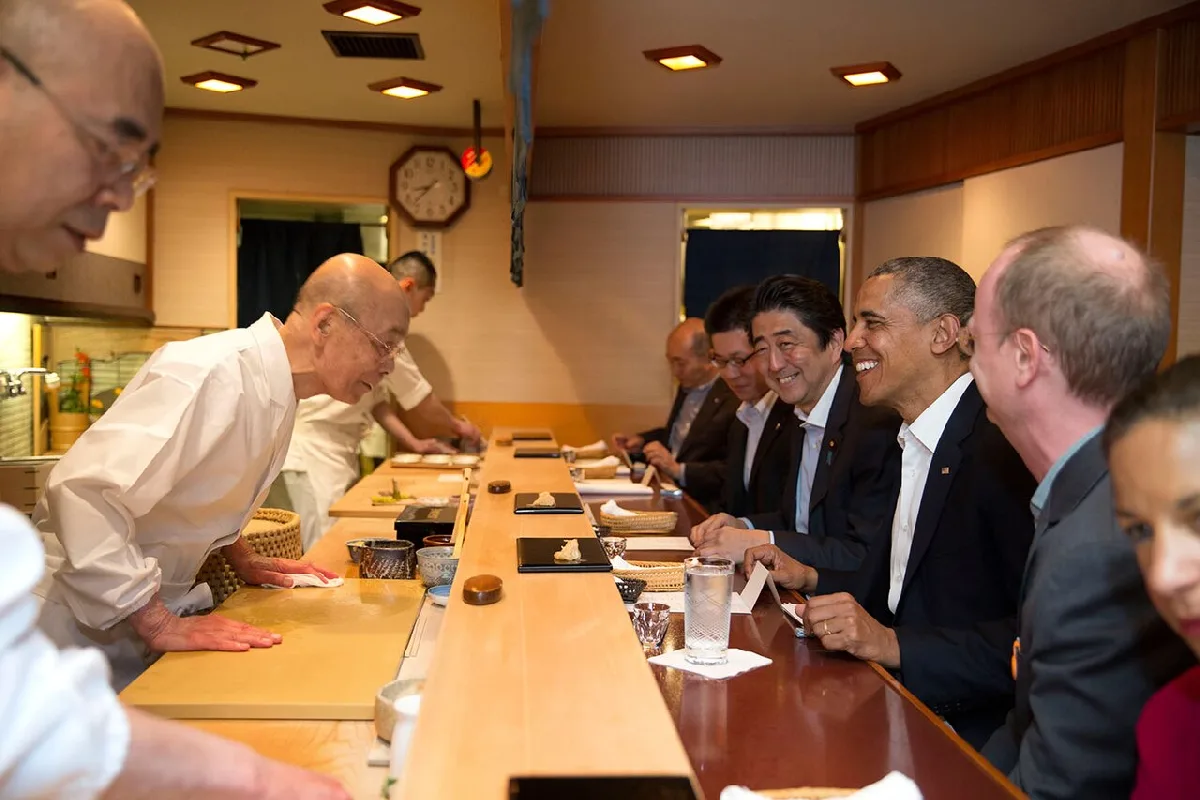
Jiro Ono has made sushi in the same 10-seat Tokyo restaurant for over 70 years. His apprentices spend their first year just learning to squeeze a hot towel properly. He still tastes every piece before...
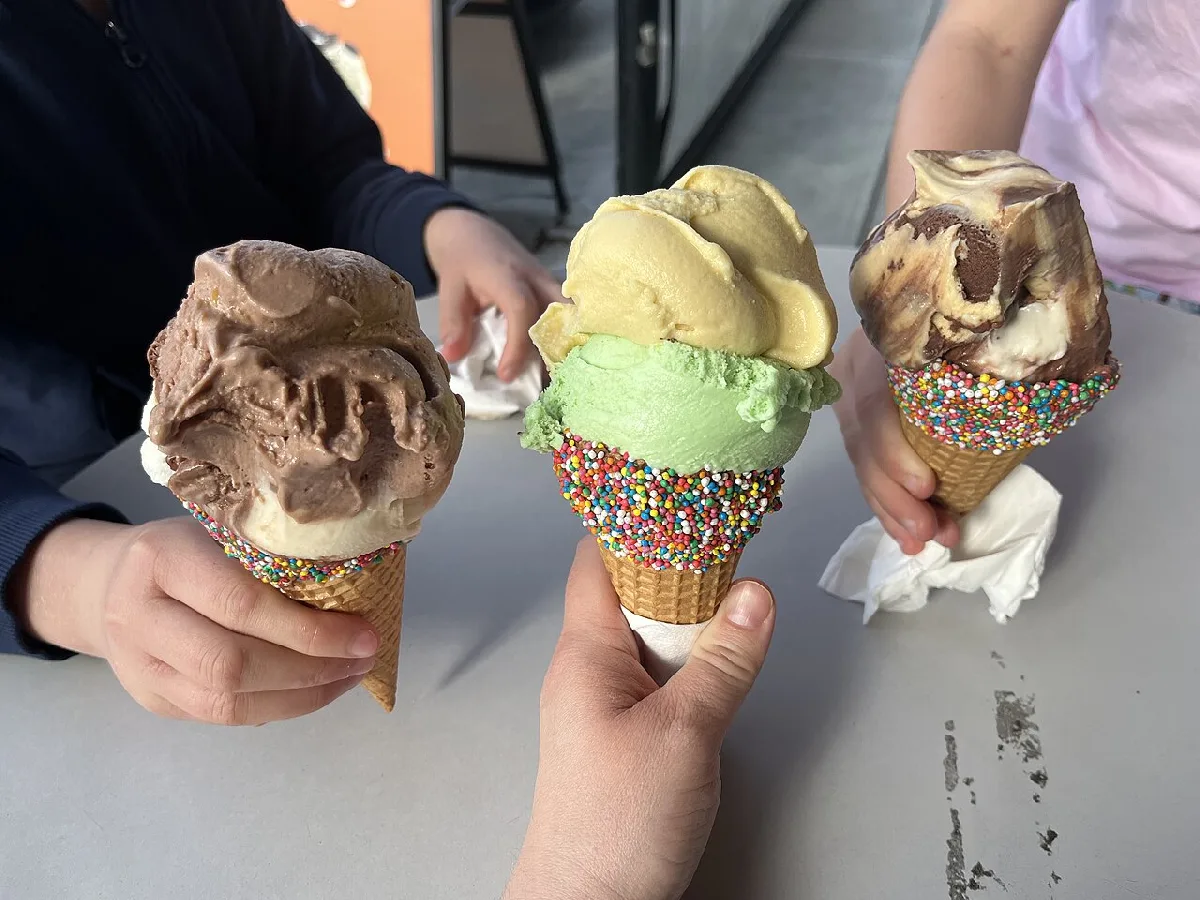
In 1904, a waffle vendor at the St. Louis World's Fair ran out of plates. The ice cream seller next door rolled his waffles into cones. The ice cream cone was born from a shortage, not an idea.
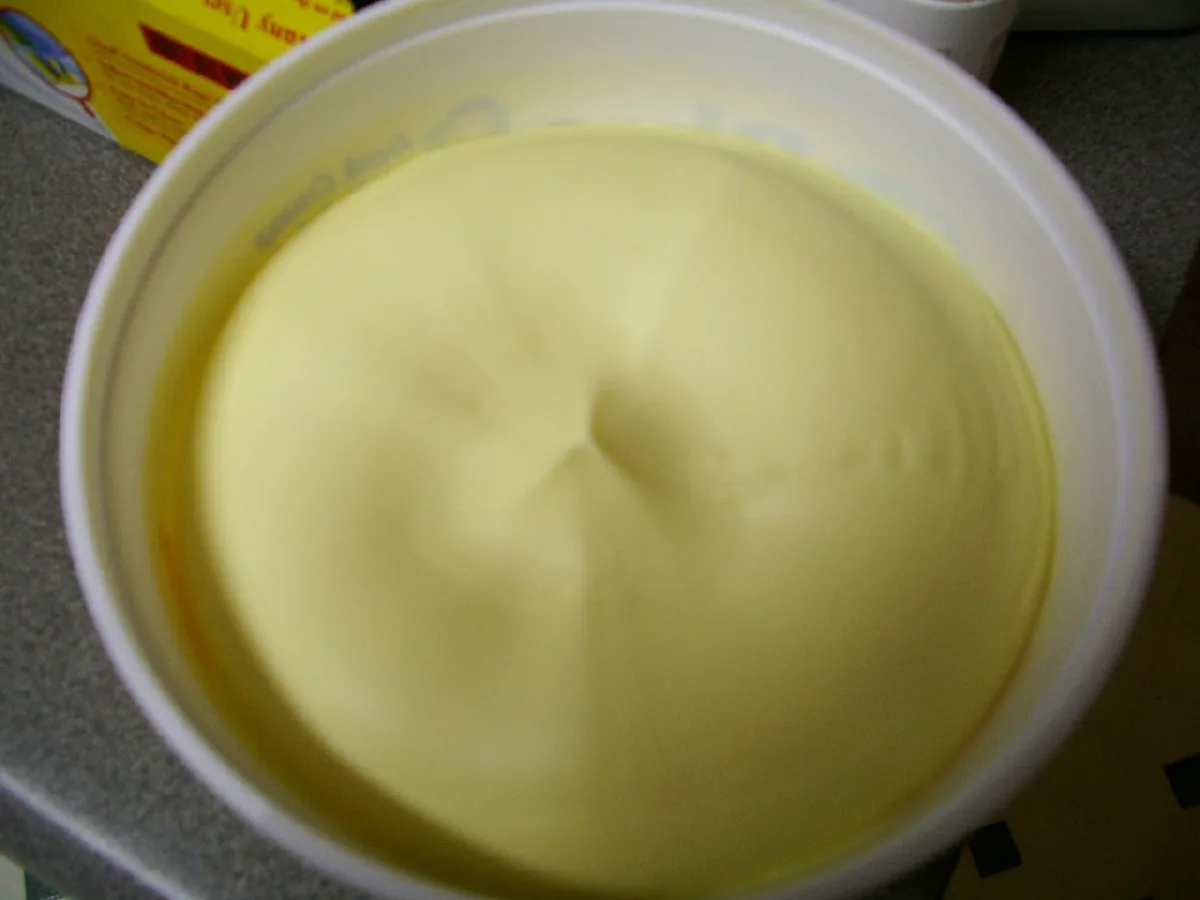
The French chemist Hippolyte Mege-Mouries invented margarine in 1869 after Napoleon III offered a prize for a cheap butter substitute for soldiers. He made it from beef fat and milk. The dairy industr...
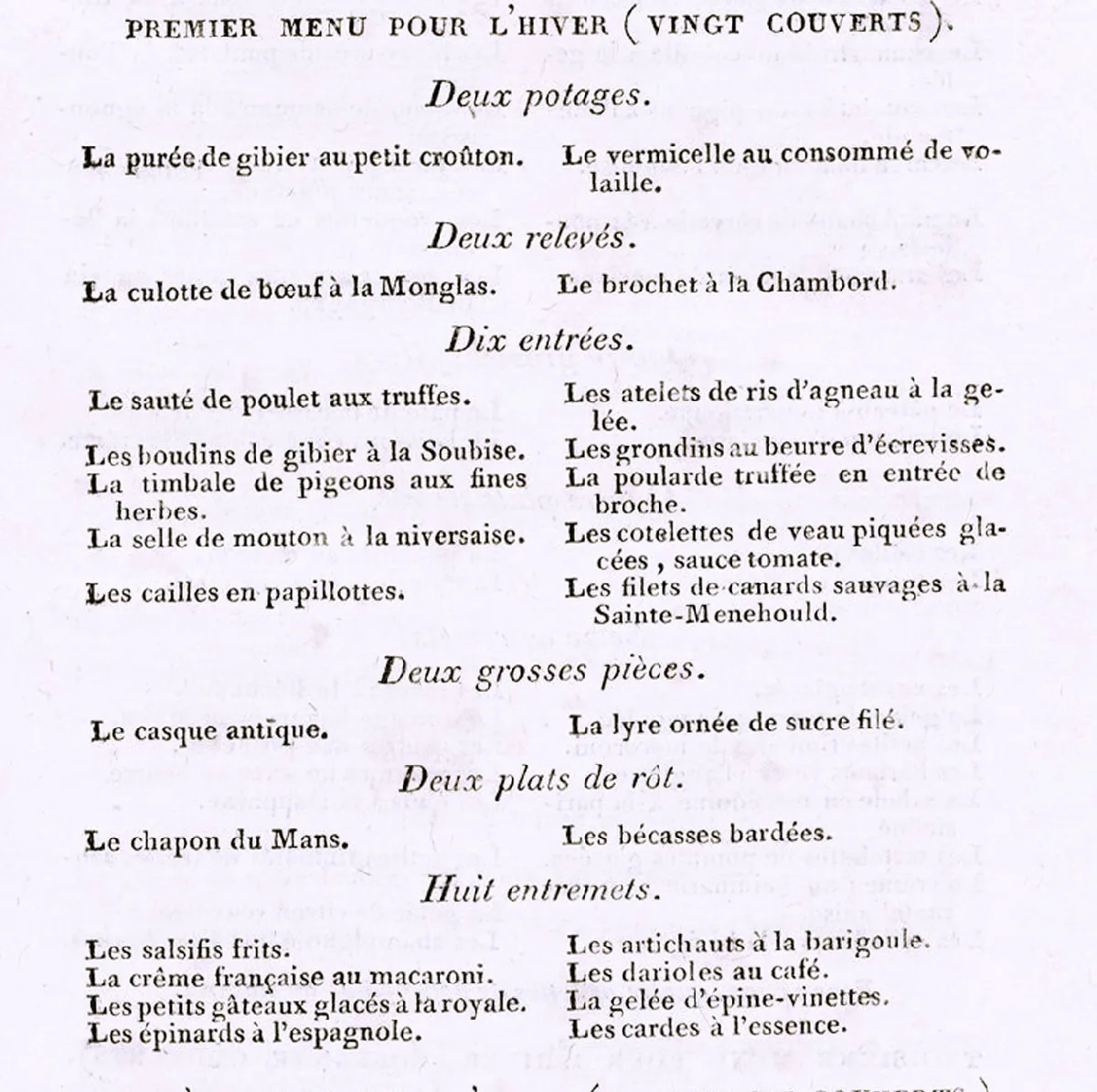
French chef Marie-Antoine Careme, born in 1784, was abandoned by his parents at age 10. He became the most famous chef in the world. He cooked for Napoleon, the Tsar of Russia, and the King of England...
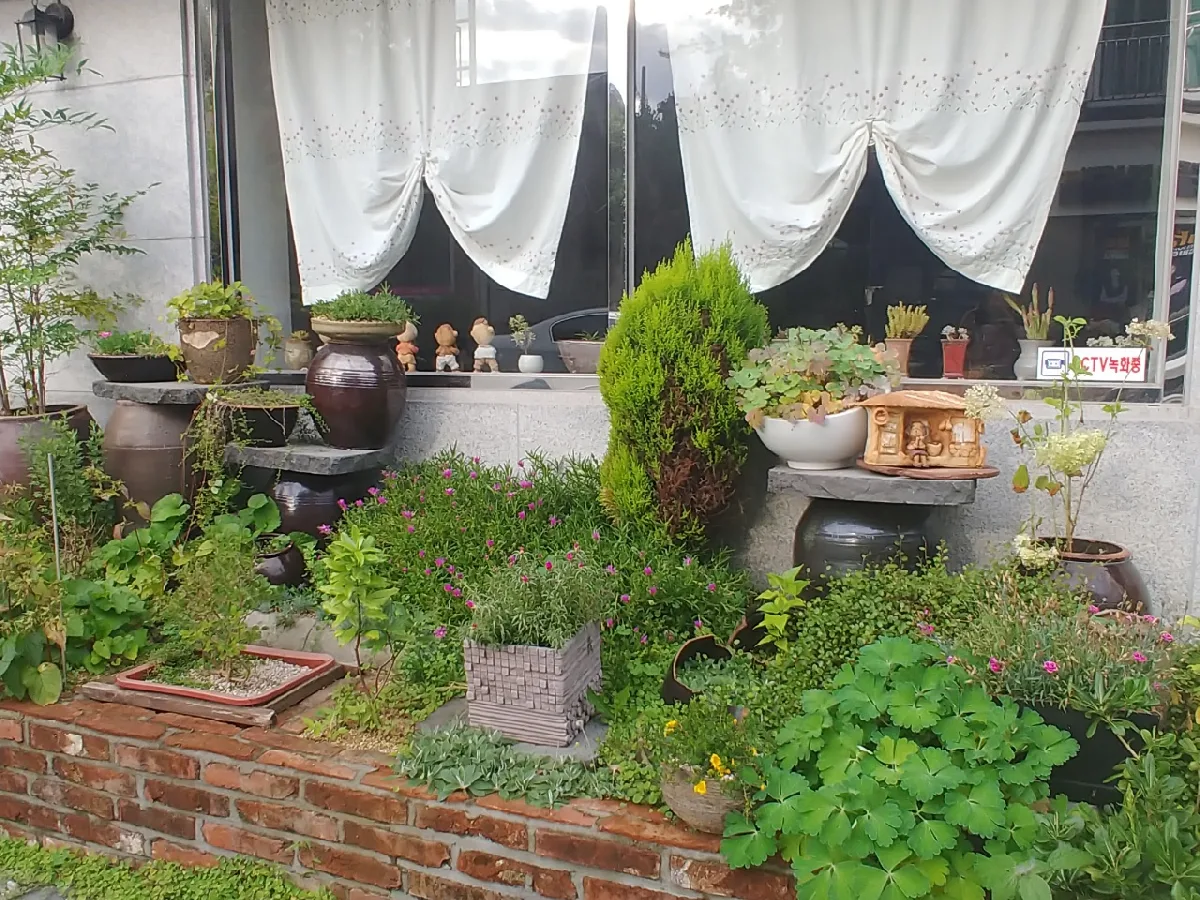
The Korean practice of fermenting kimchi in clay pots buried underground, called onggi, has been performed for at least 2,000 years. Samsung now makes a dedicated kimchi refrigerator with separate tem...
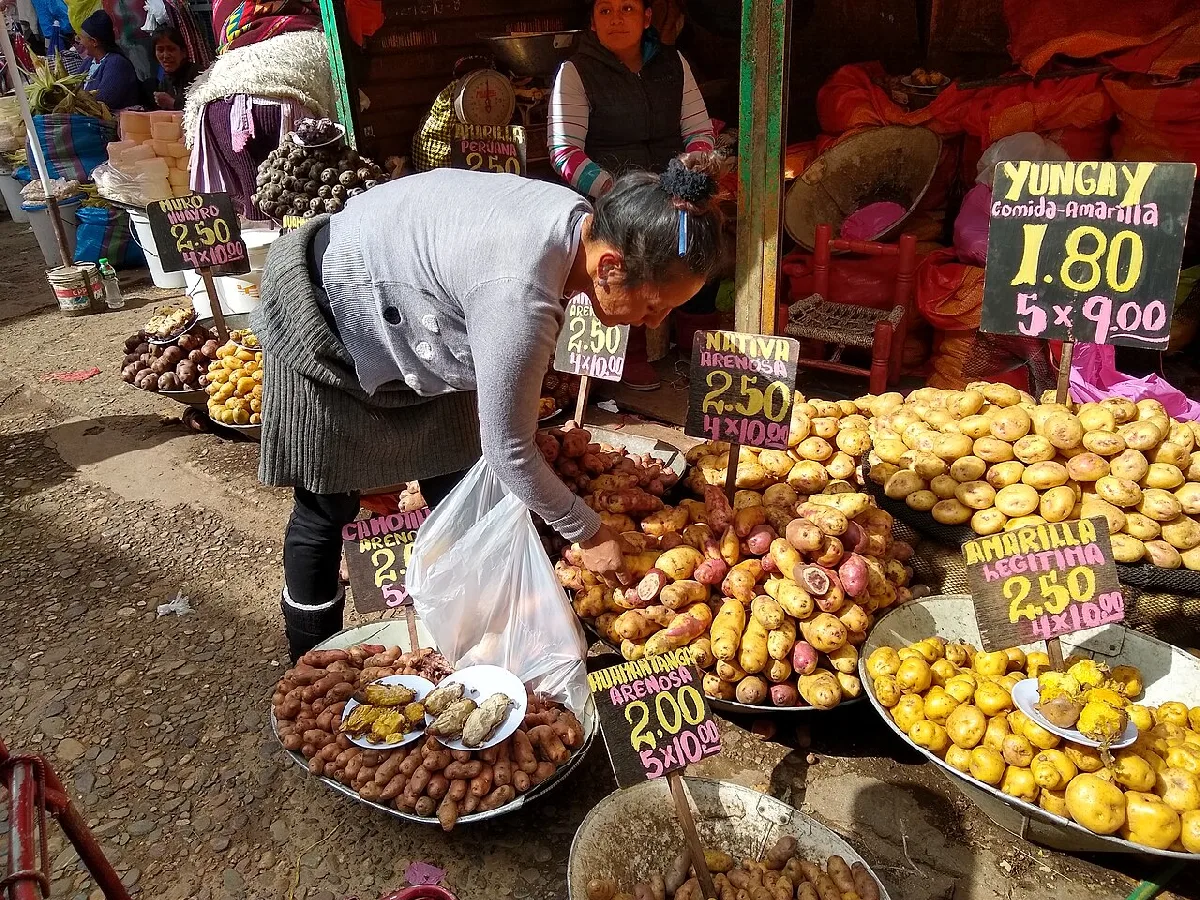
Peru has over 4,000 varieties of native potato, more than any other country. The Incas freeze-dried potatoes 1,000 years before the technique was used for astronaut food. They called the product chuno...
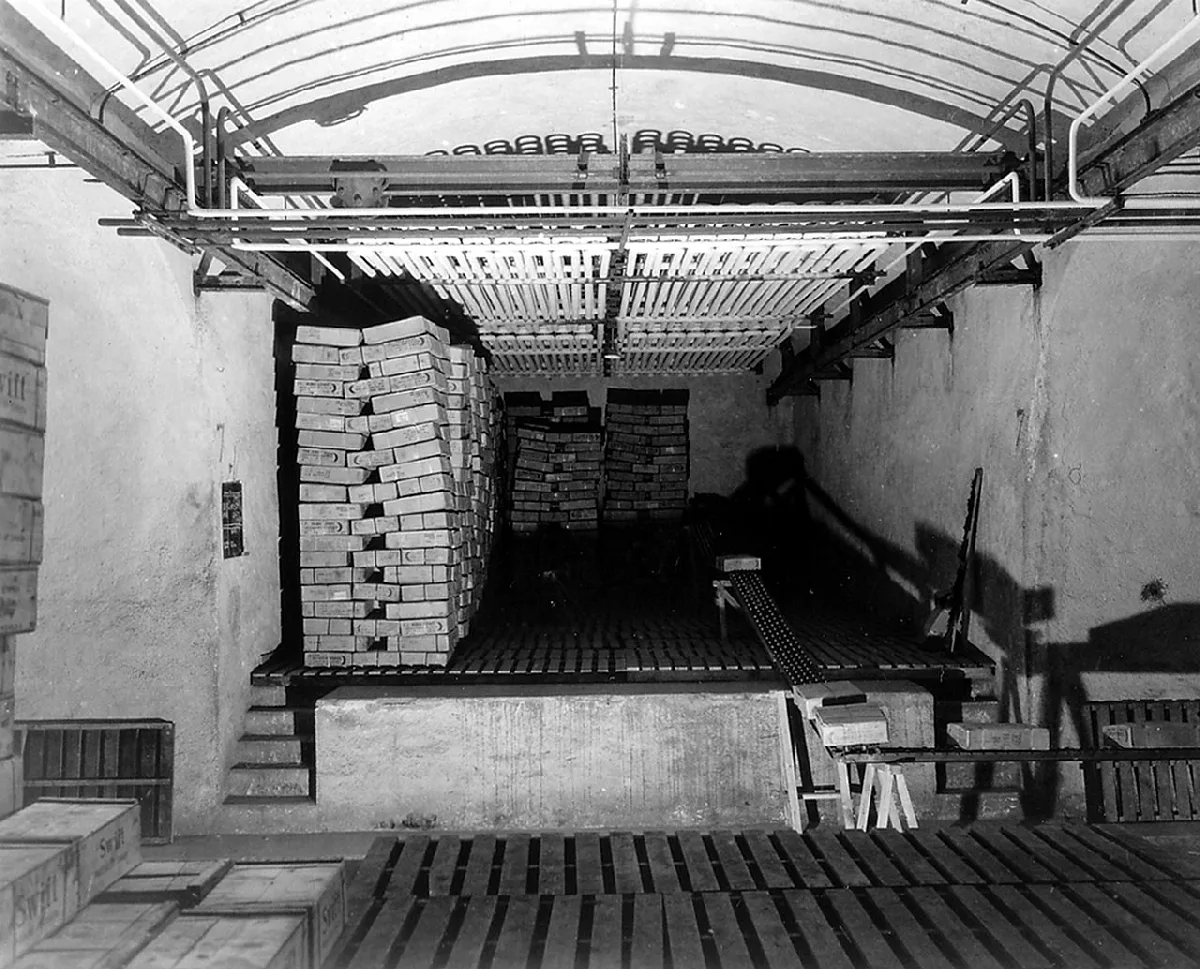
In 1944, the Dutch government asked biochemist Ancel Keys to design a meal that could sustain a paratrooper in combat. He packed 3,000 calories into a small box: biscuits, sausage, chocolate, and a ci...
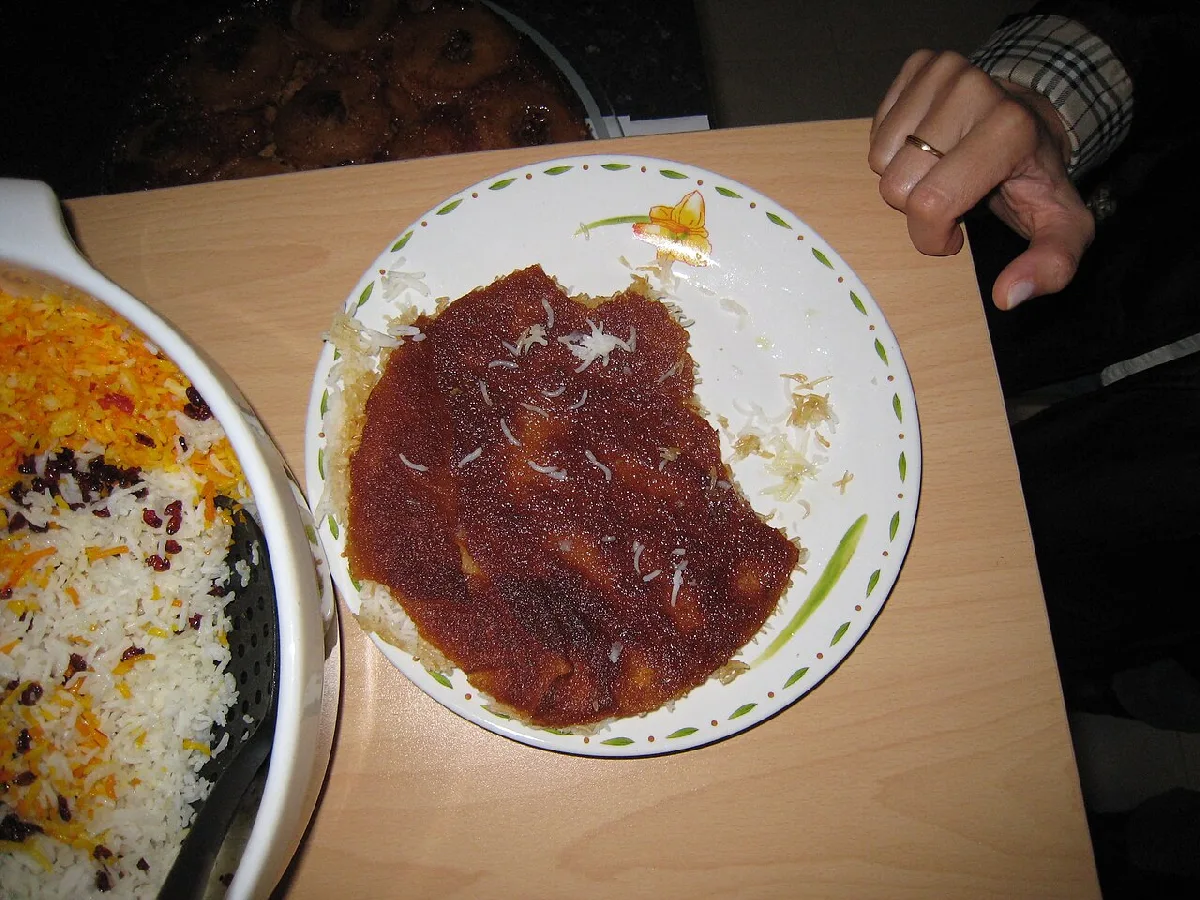
In medieval Persia, cooks invented a technique called tahdig that deliberately burns the bottom layer of rice to a golden crust. What other cultures scrape off and discard, Iranians fight over at the...
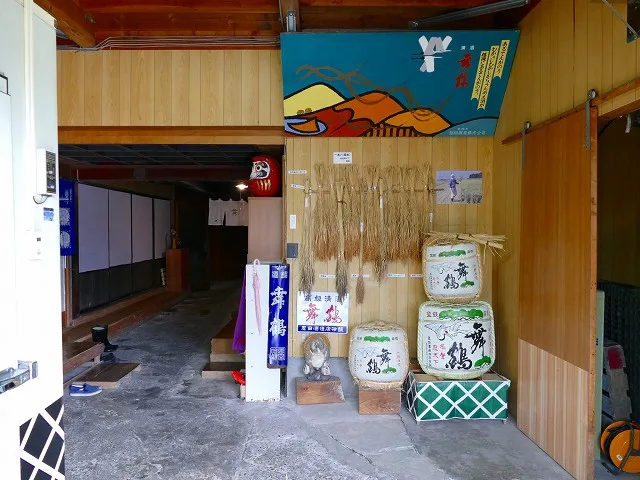
Sake brewers in Niigata, Japan, discovered in the 1800s that the best rice for brewing is terrible for eating. Yamada Nishiki rice has a starchy white core perfect for fermentation but falls apart whe...
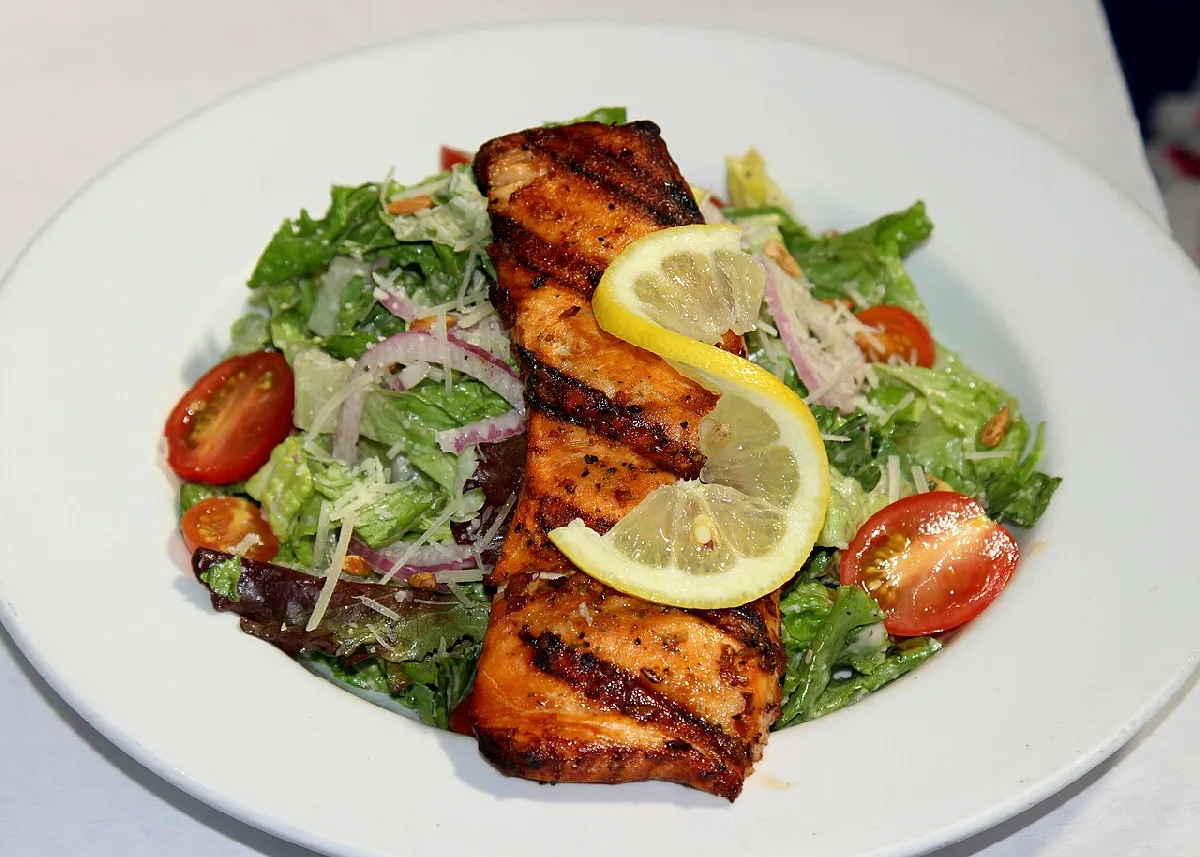
The Caesar salad was invented in Tijuana, Mexico, not Italy. In 1924, Italian-American restaurateur Caesar Cardini ran low on ingredients during a Fourth of July rush. He threw together romaine, crout...
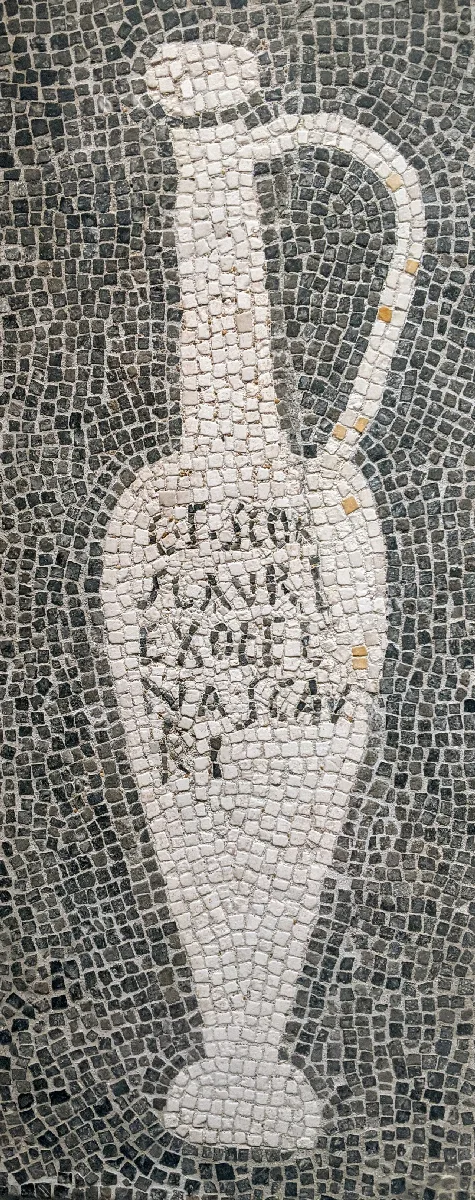
The ancient Romans ate garum with everything. It was a fermented fish sauce made by leaving fish guts in the sun for months. Factories producing it were banned from city limits because of the smell. M...
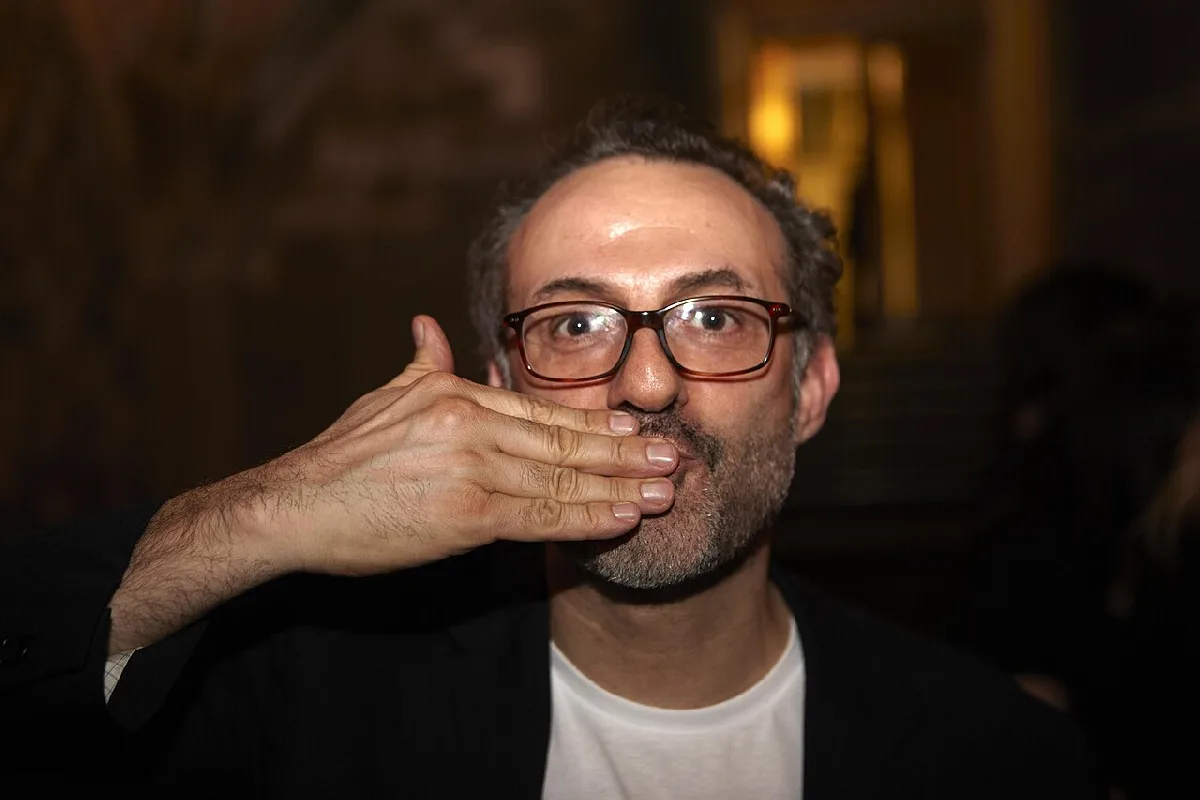
Massimo Bottura saved a million kilograms of food during the 2015 Milan Expo by cooking meals for the homeless using ingredients other pavilions would have thrown away. He now runs Refettorios in seve...
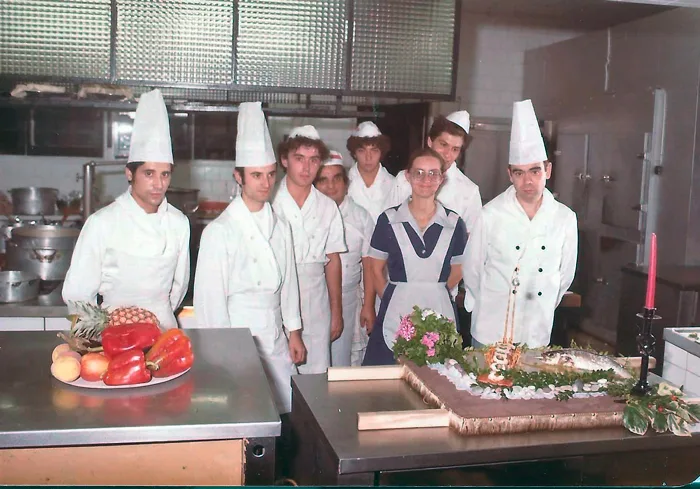
Ferran Adria closed his restaurant El Bulli, considered the best in the world, for six months every year so his team could experiment. He served olive oil spheres that burst in your mouth, edible cock...
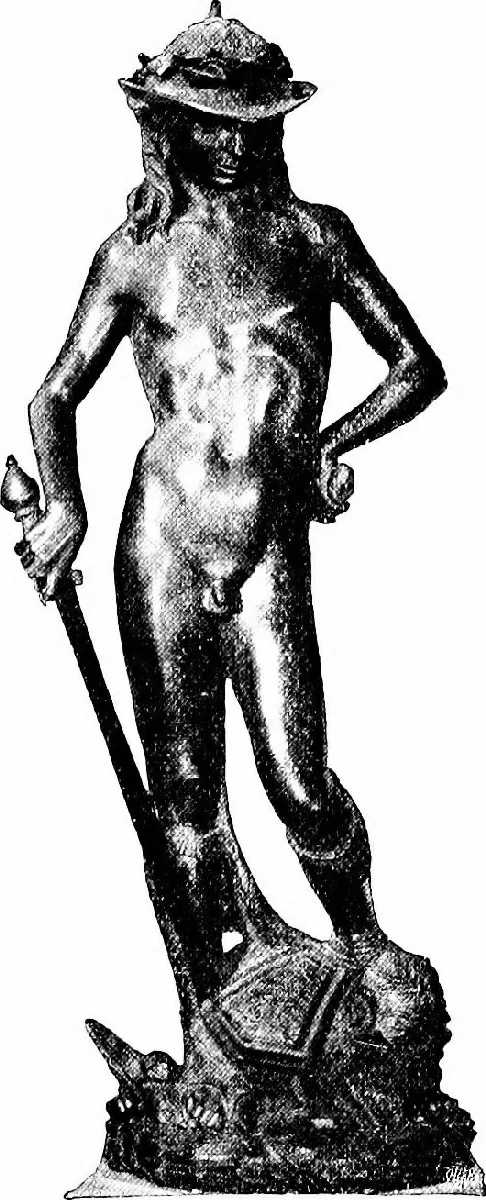
In the 16th century, Italians believed tomatoes were poisonous because wealthy people died after eating them from pewter plates. The acid in tomatoes leached lead from the pewter. The tomato was innoc...
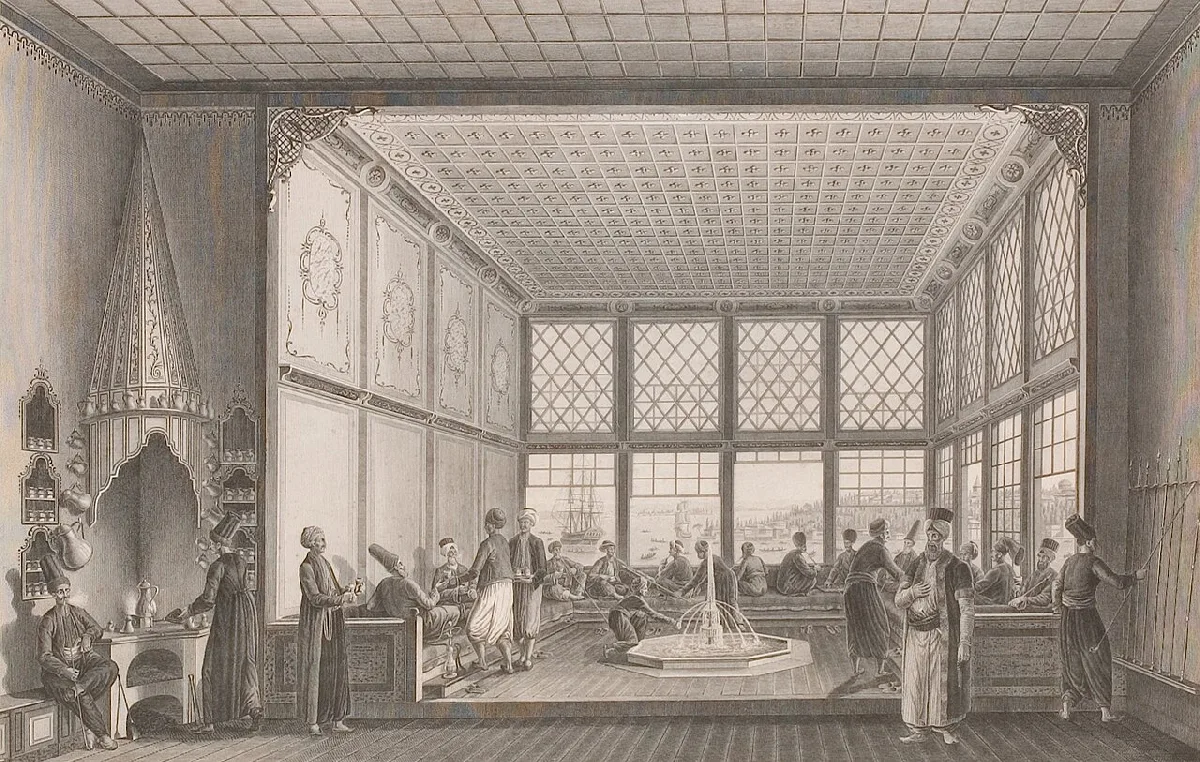
In the 17th century, coffee was so controversial in the Ottoman Empire that Sultan Murad IV made drinking it punishable by death. He would reportedly disguise himself and patrol Istanbul at night, per...
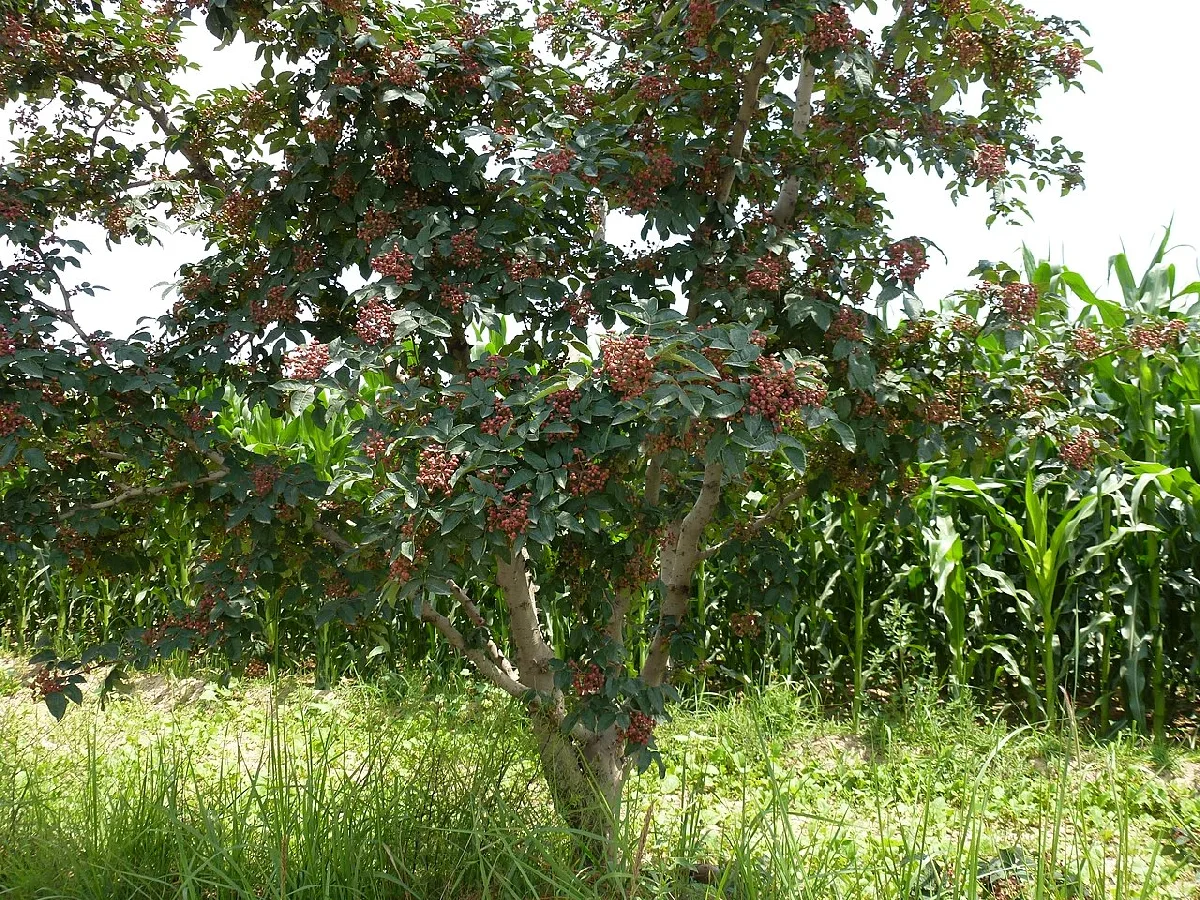
Sichuan peppercorns don't create heat. They create a tingling numbness called "ma" that literally vibrates at 50 hertz on your tongue. Scientists discovered this in 2013. Sichuan cooks had known it fo...
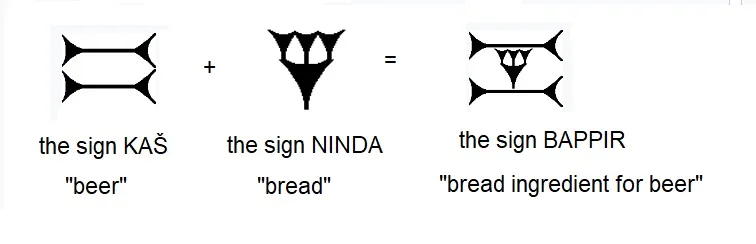
The world's oldest known recipe is a Sumerian beer recipe from 3900 BC, written on a clay tablet. It includes a hymn to Ninkasi, the goddess of beer. The recipe has been successfully recreated. Review...
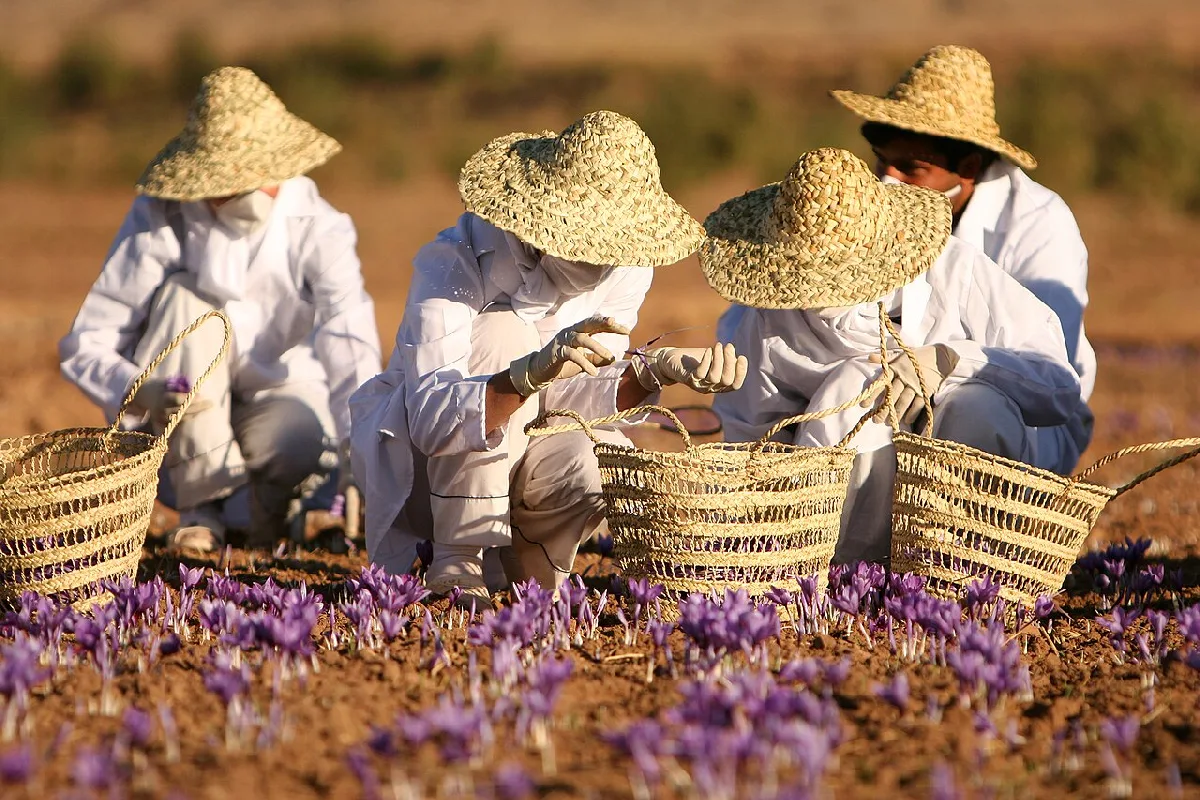
The world's most expensive spice, saffron, comes from the stigma of a crocus flower. Each flower produces only three threads. It takes 75,000 flowers to make one pound. All of it is still picked by ha...
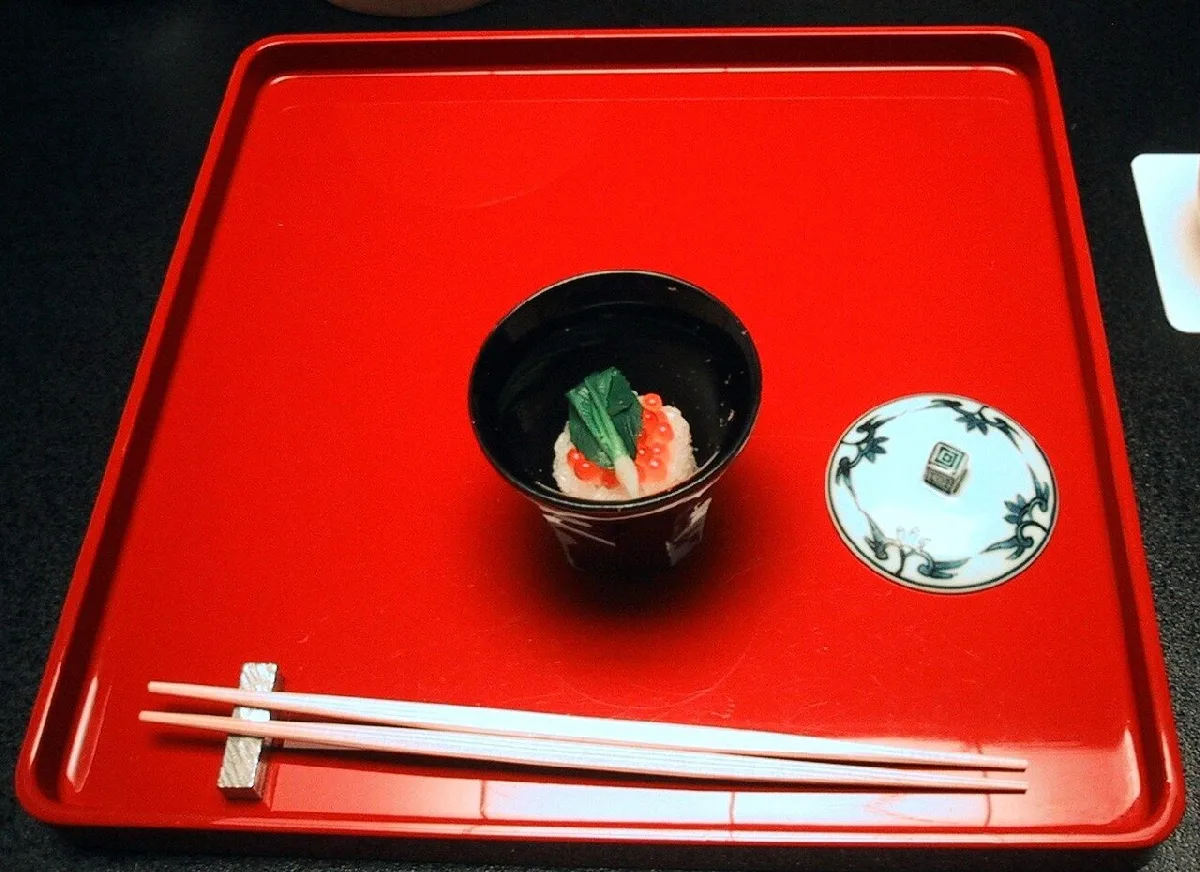
Japanese kaiseki cuisine was born from the tea ceremony. Sen no Rikyu, the tea master, insisted meals should be simple and seasonal. A kaiseki chef in Kyoto today will serve a single leaf on a plate t...
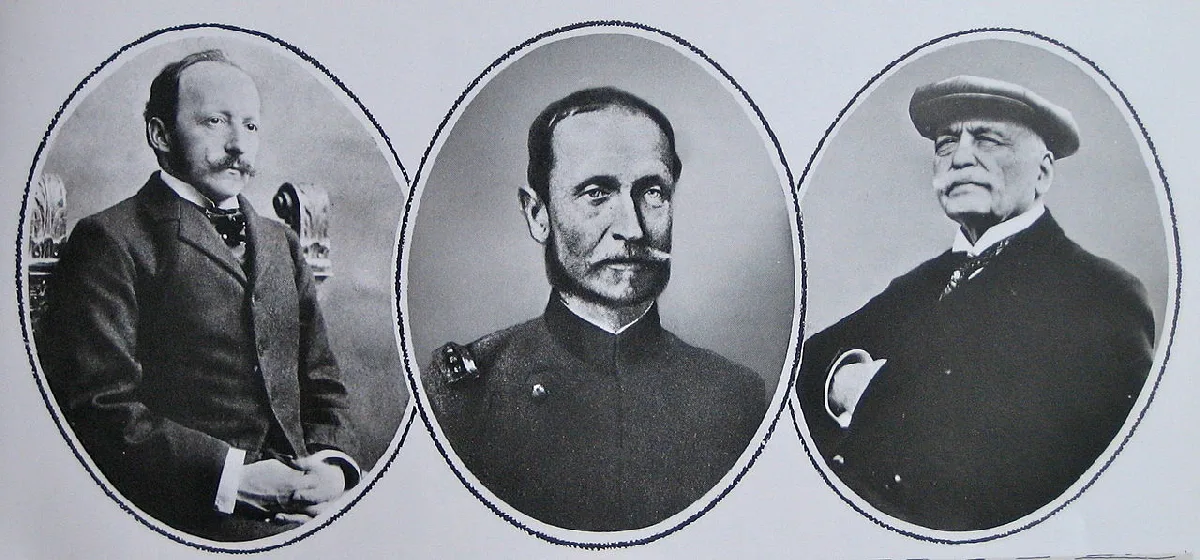
Escoffier, the chef who organized the modern restaurant kitchen, divided cooks into specialized stations in the 1890s. He stole the idea from the French military. Before him, every cook did everything...
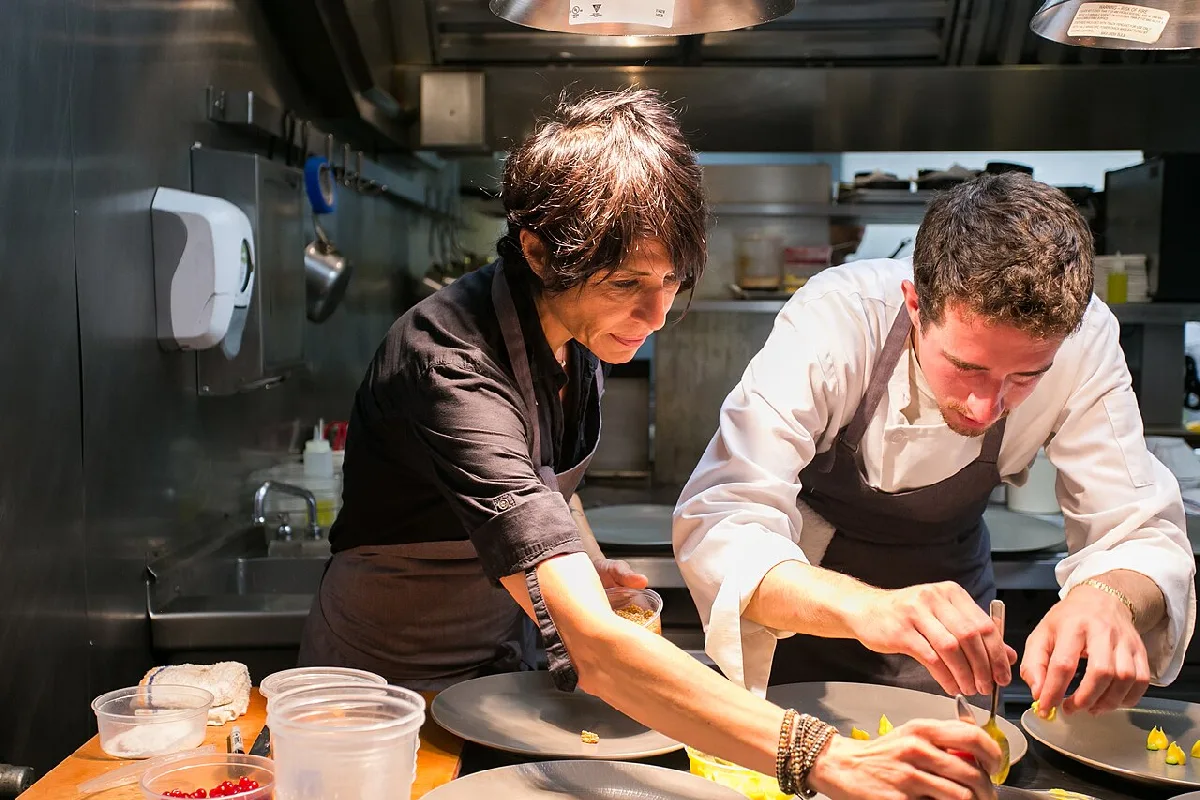
Dominique Crenn became the first woman in America to receive three Michelin stars in 2018. Her tasting menu at Atelier Crenn in San Francisco has no written descriptions. Each course comes with a line...
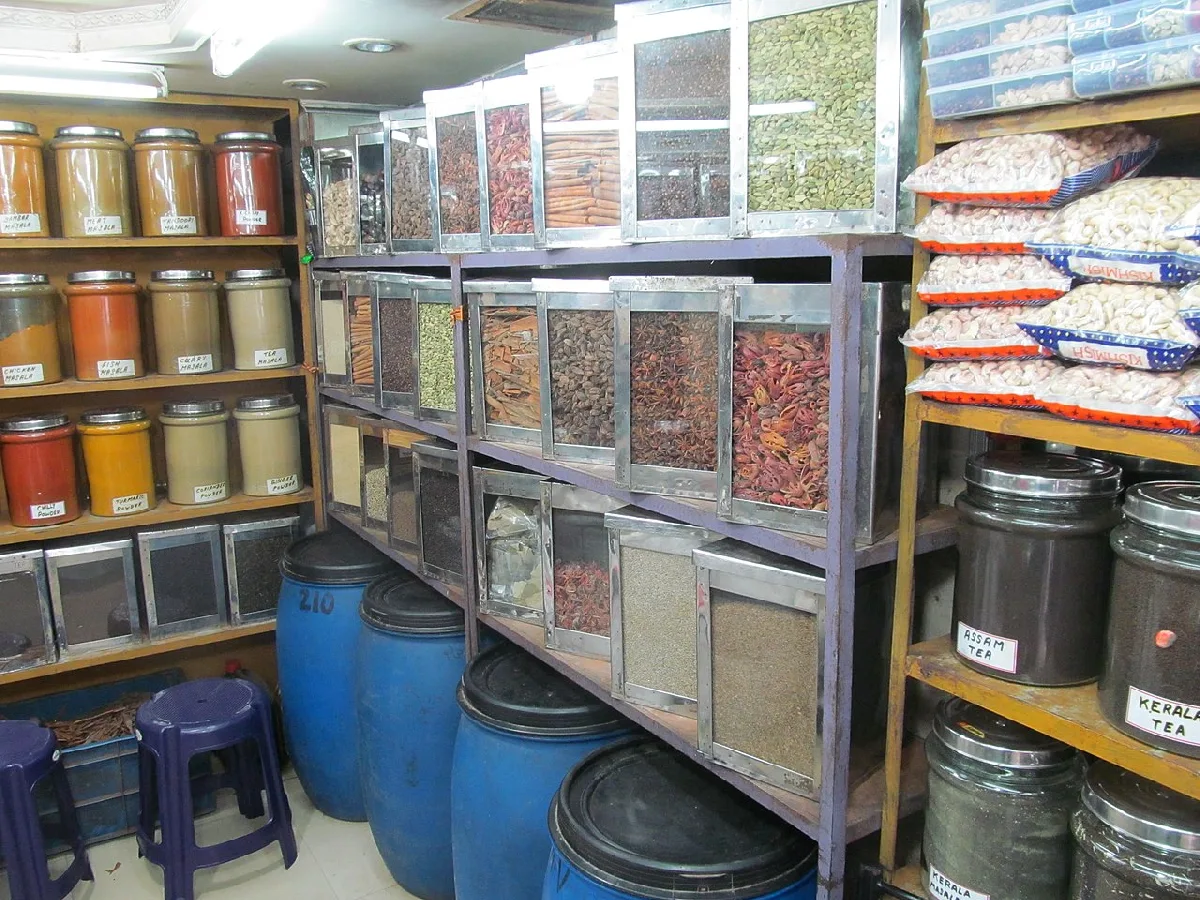
The spice trade between Kerala, India, and the Roman Empire was so extensive that archaeologists found a Roman trading post at Arikamedu with Mediterranean pottery, coins, and wine amphorae. Black pep...
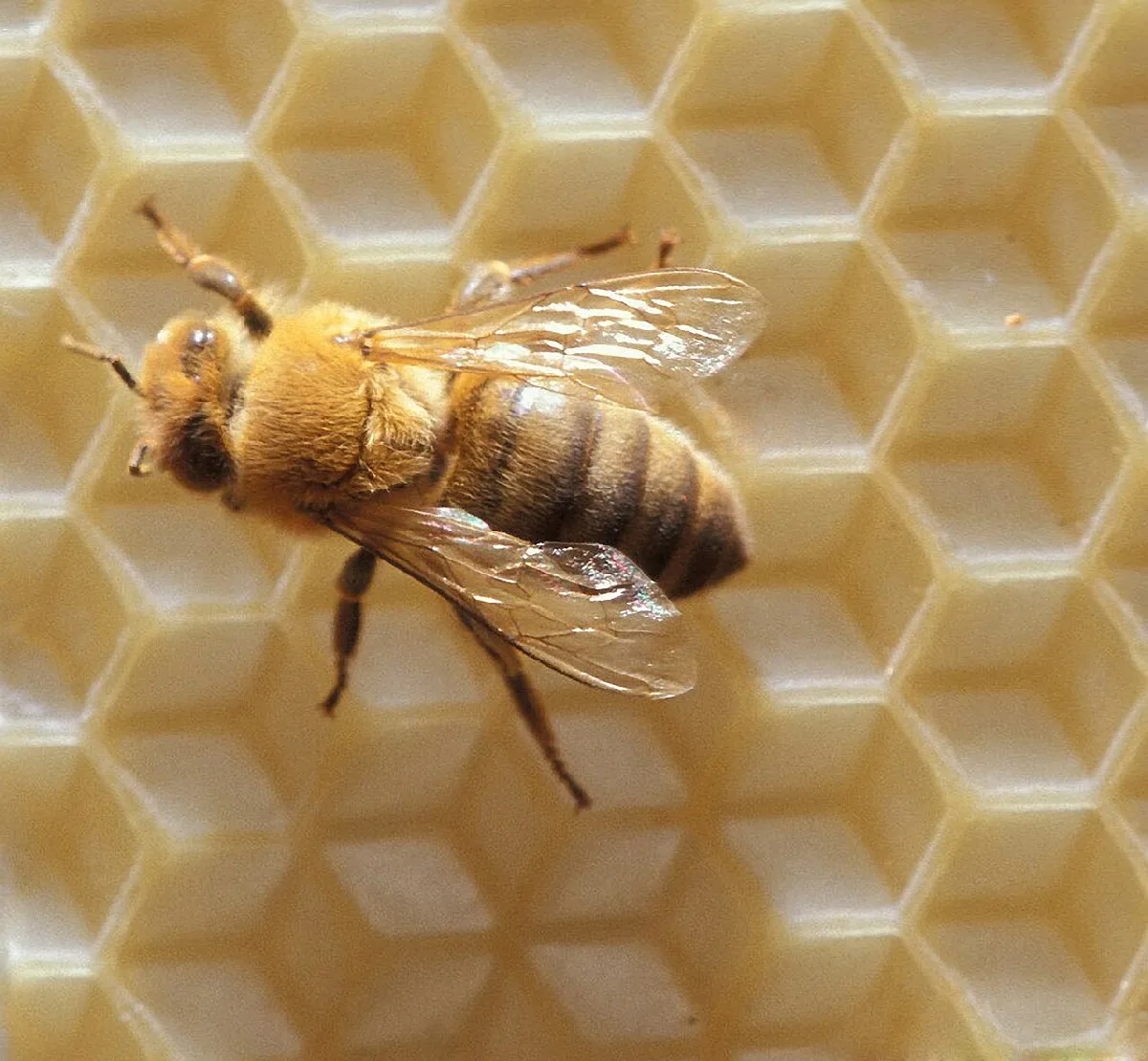
Bees must visit roughly two million flowers to produce a single pound of honey. The average worker bee makes one-twelfth of a teaspoon in her entire lifetime. That jar in your pantry represents the co...

In 16th century Mexico, Aztec emperor Montezuma drank 50 cups of xocolatl a day from golden goblets. It was bitter, spiced with chili, and served cold. When the Spanish brought it to Europe, they adde...
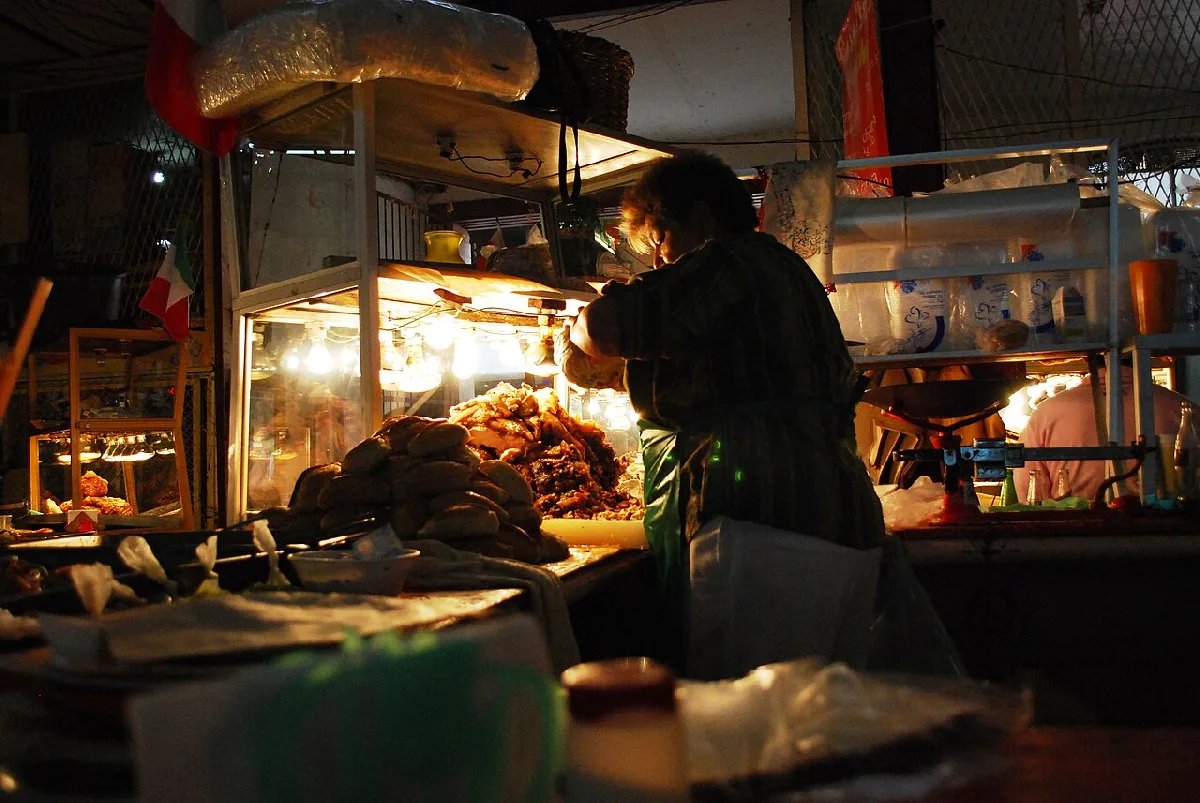
Dona Tota of Patzcuaro, Mexico, sold carnitas from the same stand for over 60 years. She fed presidents, laborers, and tourists the same plate. When food critics asked her secret, she said: I never ch...
papr turns your books into a reading persona, chapter insights you can listen to, and a quiet way to find people who think like you. Free to join.
Get papr — it's free