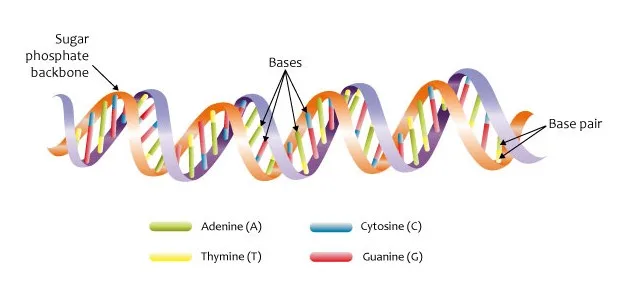
The total length of DNA in a single human cell, if uncoiled, stretches about 2 meters. Your body contains roughly 37 trillion cells. That means the total DNA in your body would stretch from Earth to P...
Science — Discoveries, Experiments, and the People Behind Them
Science, stripped of jargon, is one of the most compelling stories humans tell: how we figured out what the world is actually made of and how it works. The drops here are about experiments, discoveries, and the sometimes-strange people who made them. They are written for curious readers who want the intuition without the math — at least as a starting point.
The total length of DNA in a single human cell, if uncoiled, stretches about 2 meters. Your body contains roughly 37 trillion cells. That means the total DNA in your body would stretch from Earth to P...
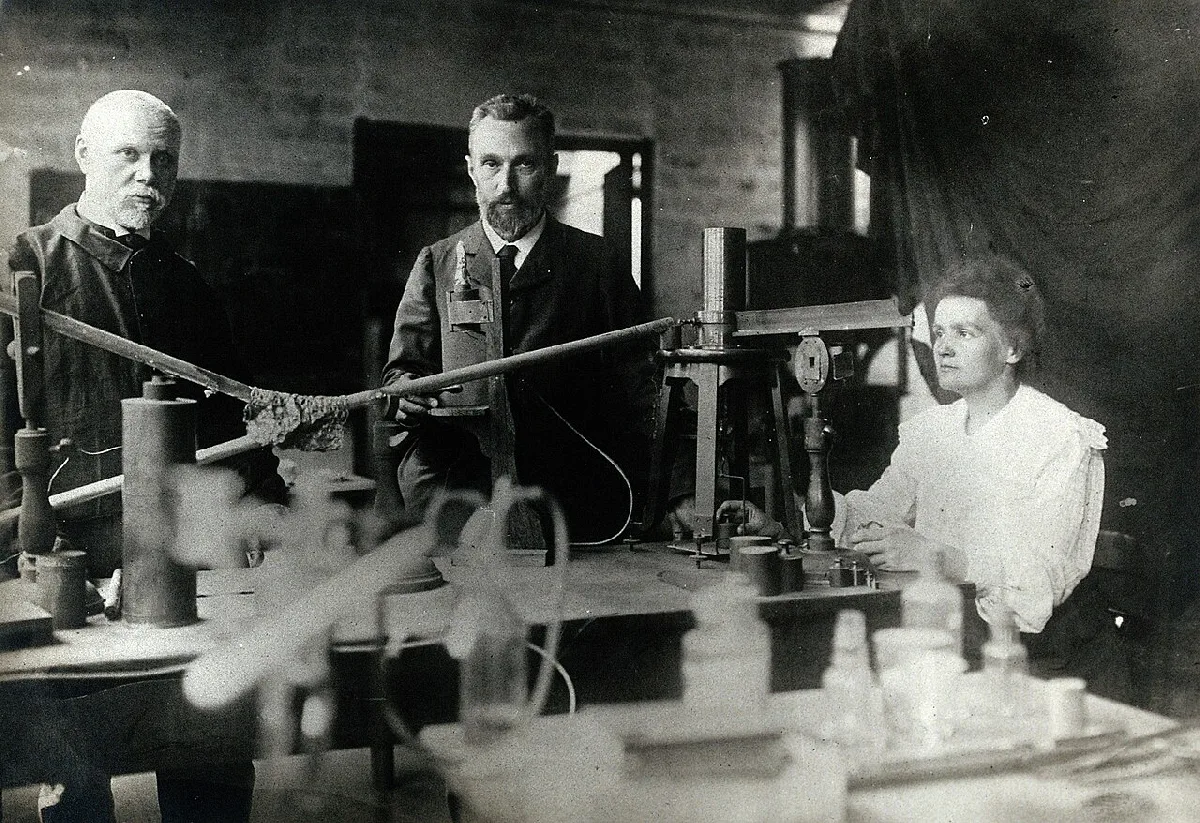
Marie Curie's notebooks from the 1890s are still so radioactive they must be stored in lead-lined boxes. Anyone who wants to read them must wear protective clothing and sign a liability waiver. Her pe...

Jagadish Chandra Bose proved in 1901 that plants respond to stimuli and feel stress. He invented instruments sensitive enough to measure a plant flinching when cut. British scientists called it absurd...

Physicist Lise Meitner co-discovered nuclear fission in 1938 but was denied the Nobel Prize, which went only to her colleague Otto Hahn. She had fled Nazi Germany months earlier. The committee later a...
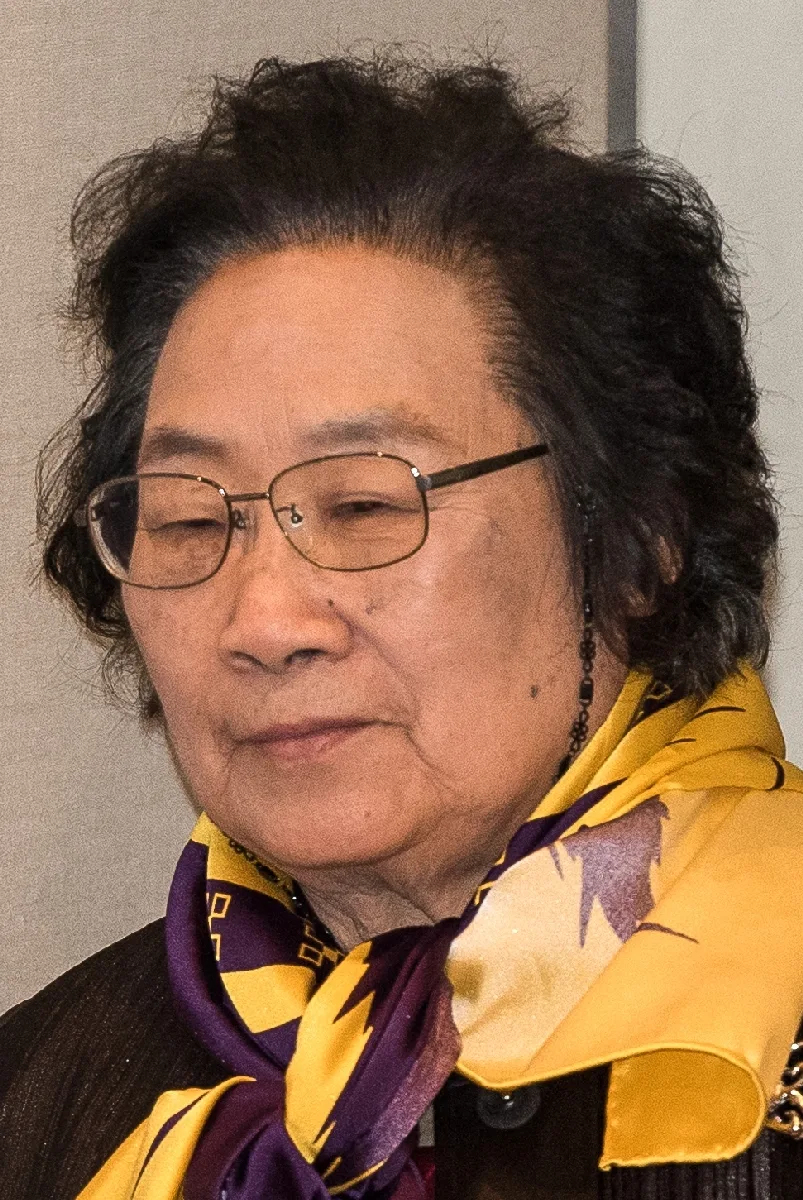
Tu Youyou, a Chinese chemist, discovered the malaria drug artemisinin by reading a 1,600-year-old Chinese medical text from the Jin Dynasty. The ancient recipe said to soak sweet wormwood in cold wate...
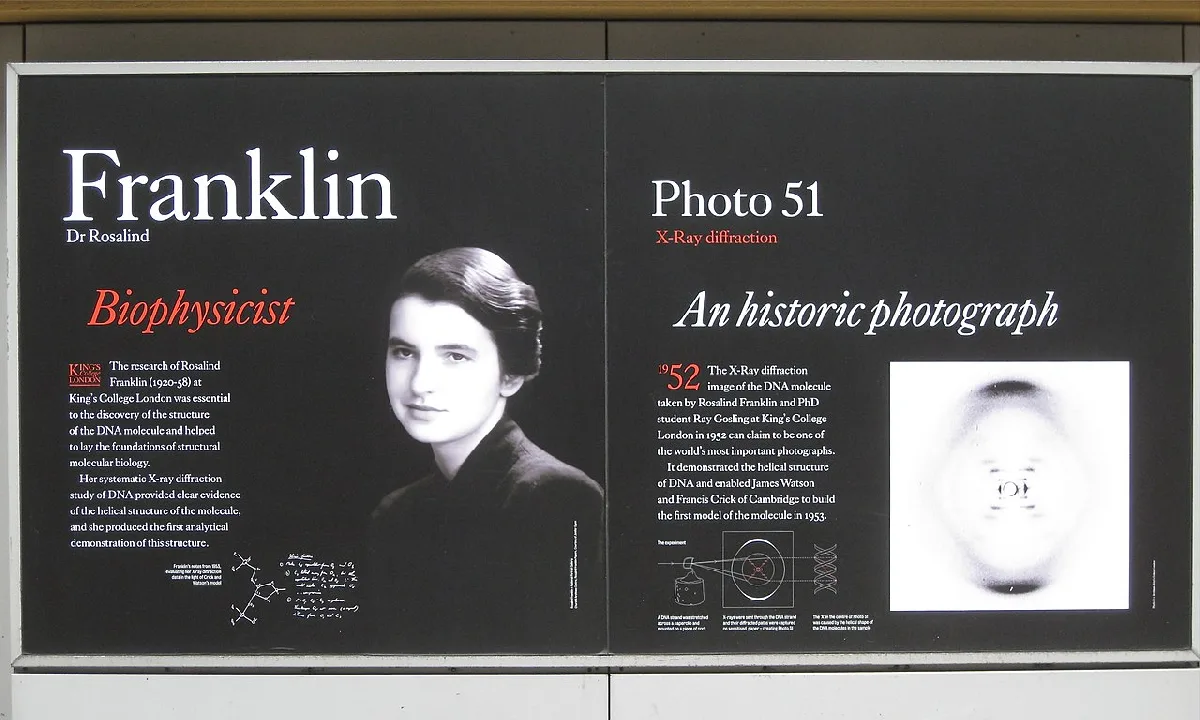
Rosalind Franklin produced the X-ray photograph that revealed the double helix structure of DNA in 1952. Watson and Crick used her image without her knowledge. They won the Nobel Prize. She died of ov...
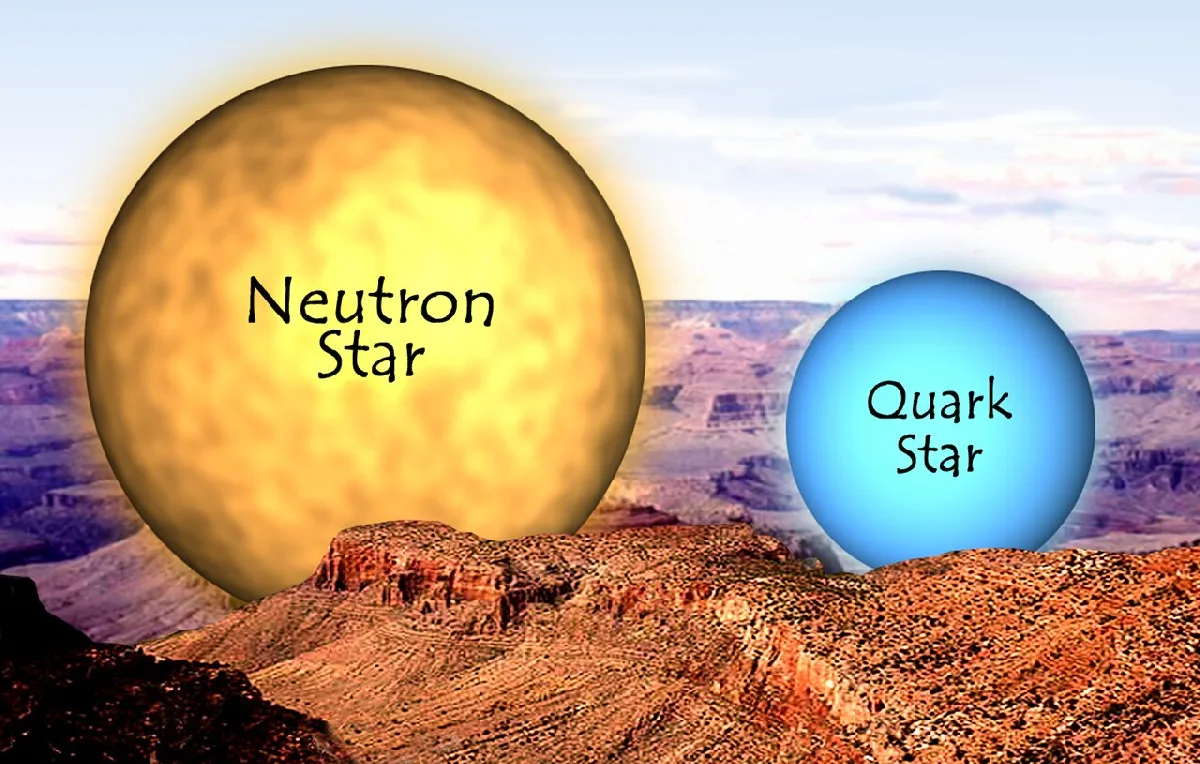
A single teaspoon of neutron star material weighs about six billion tons. These stars spin so fast that some rotate 716 times per second. If Earth were compressed to neutron star density, it would be...
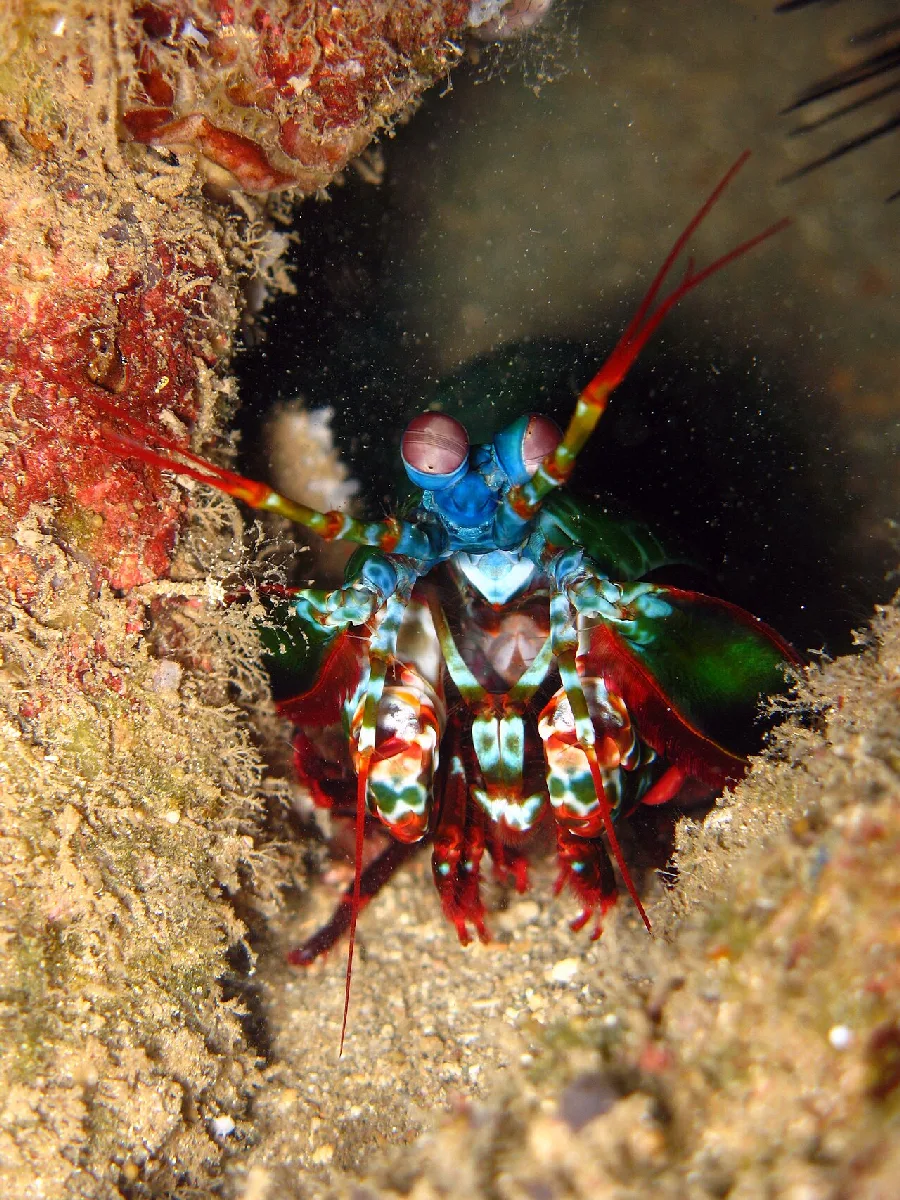
The mantis shrimp can punch at 50 miles per hour, boiling the water around its fist. It also sees 16 types of color receptors where humans have three. It perceives ultraviolet and infrared light. We h...
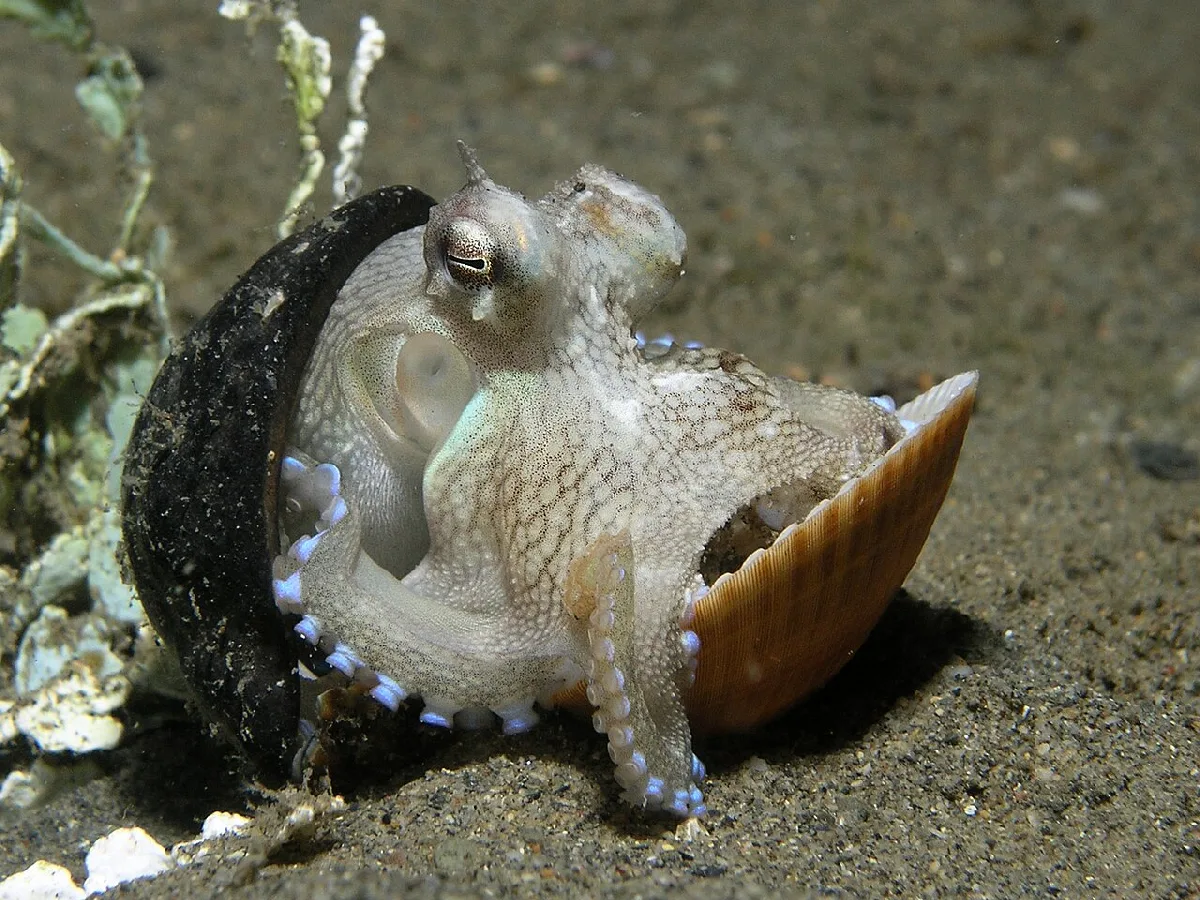
Octopuses have three hearts, blue blood, and can edit their own RNA on the fly. They evolved intelligence completely independently from mammals. If you wanted to design an alien, you wouldn't need to...
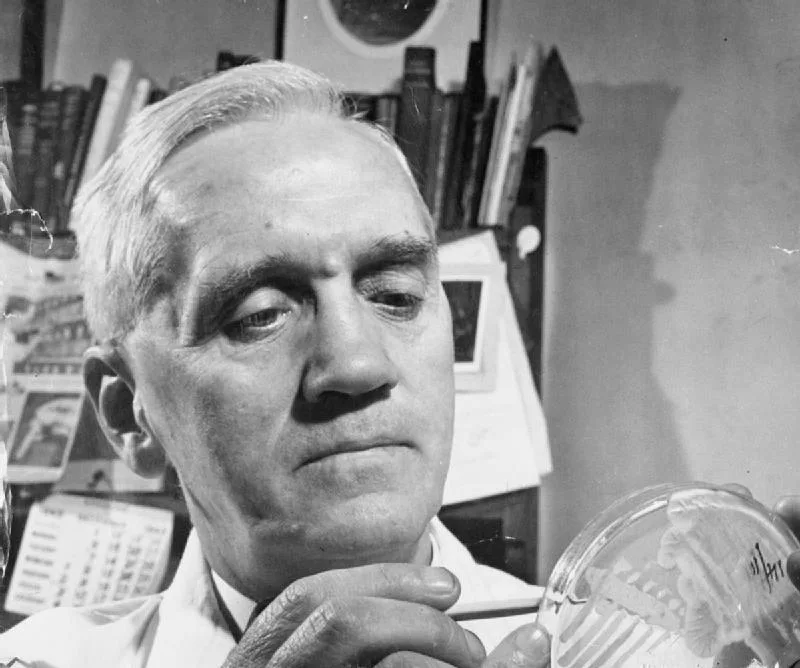
In 1928, Alexander Fleming left a petri dish uncovered before going on vacation. When he returned, mold had killed the bacteria in the dish. He almost threw it away. That accident led to penicillin, w...
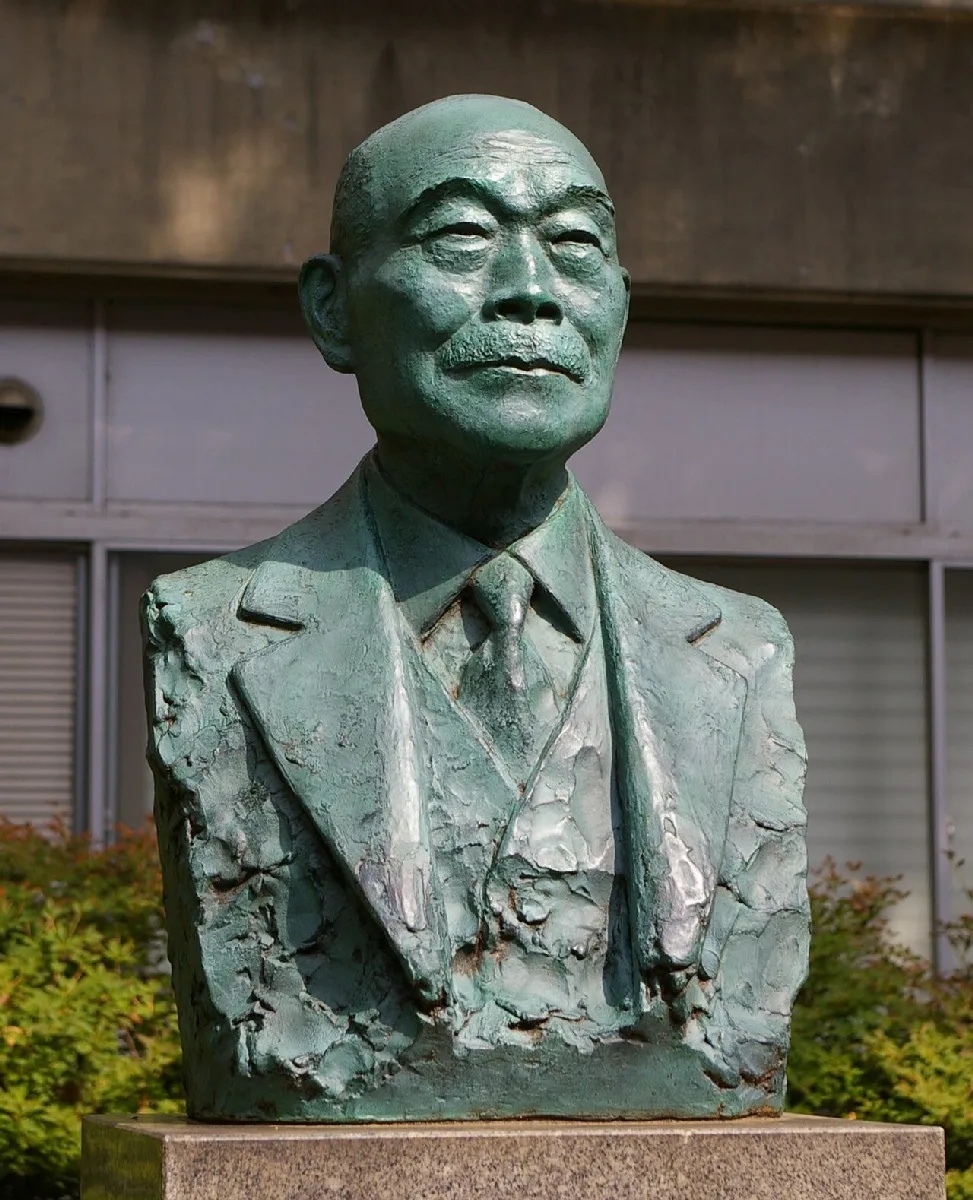
Srinivasa Ramanujan, a self-taught clerk from Madras, mailed his mathematical theories to Cambridge in 1913. The letter contained formulas so strange that professor G.H. Hardy initially thought it was...
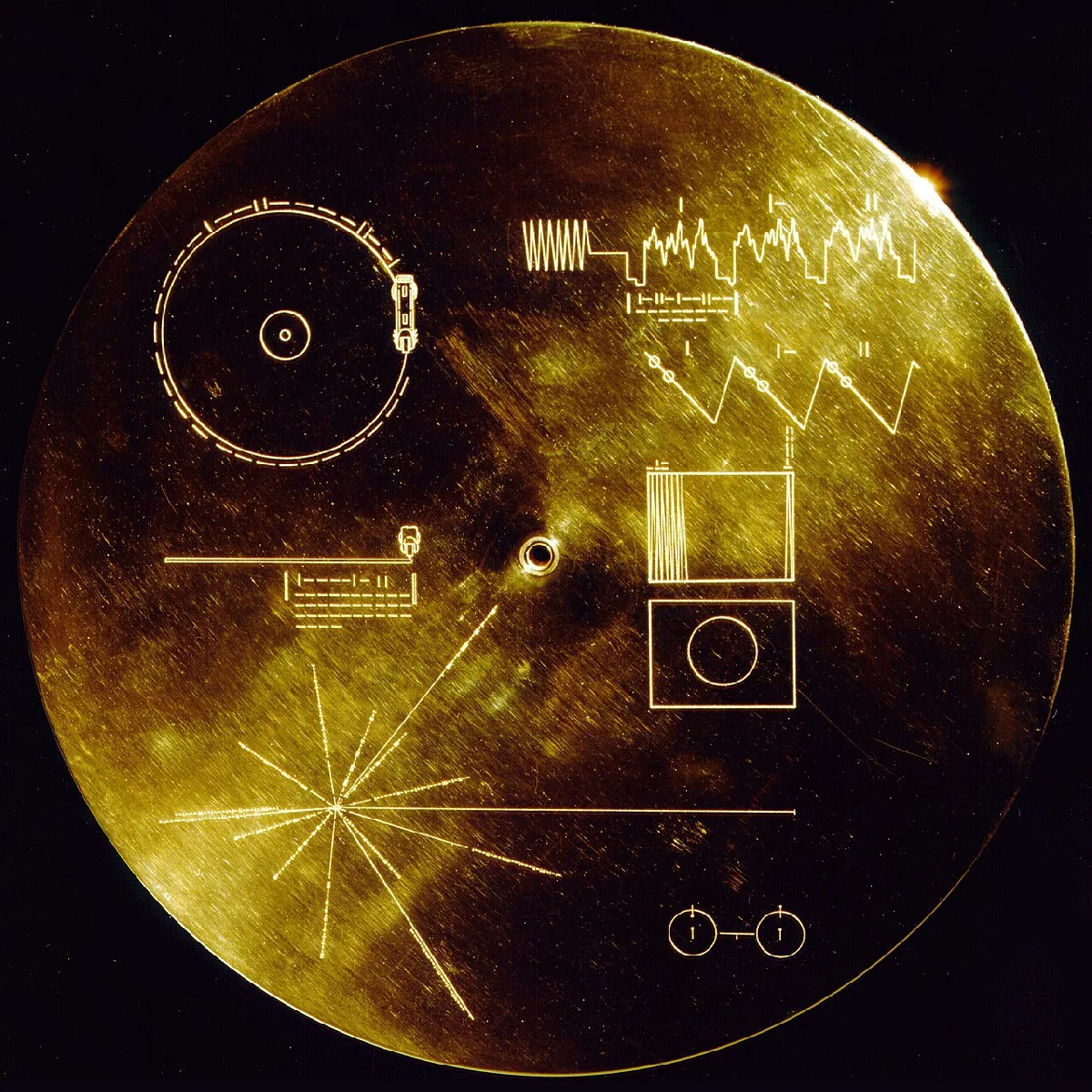
The Voyager Golden Record, now 15 billion miles from Earth, contains a recording of brainwaves from a woman named Ann Druyan. She was thinking about what it feels like to fall in love. She and Carl Sa...
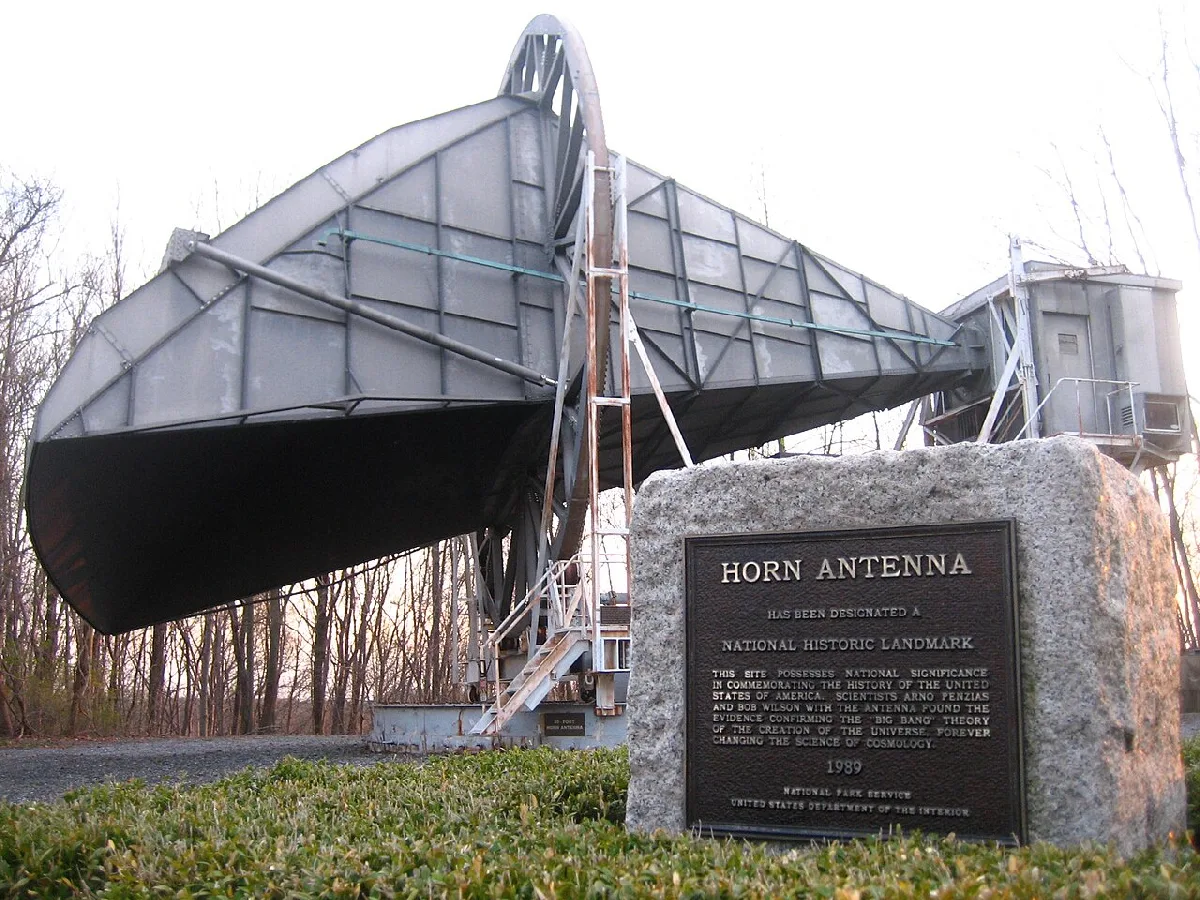
In 1965, two engineers at Bell Labs in New Jersey picked up a persistent hiss in their radio antenna that they couldn't eliminate. They even cleaned pigeon droppings off the dish. The hiss turned out...

There are more trees on Earth than stars in the Milky Way. A 2015 study counted roughly three trillion trees on the planet, compared to an estimated 100 to 400 billion stars in our galaxy. The forest...
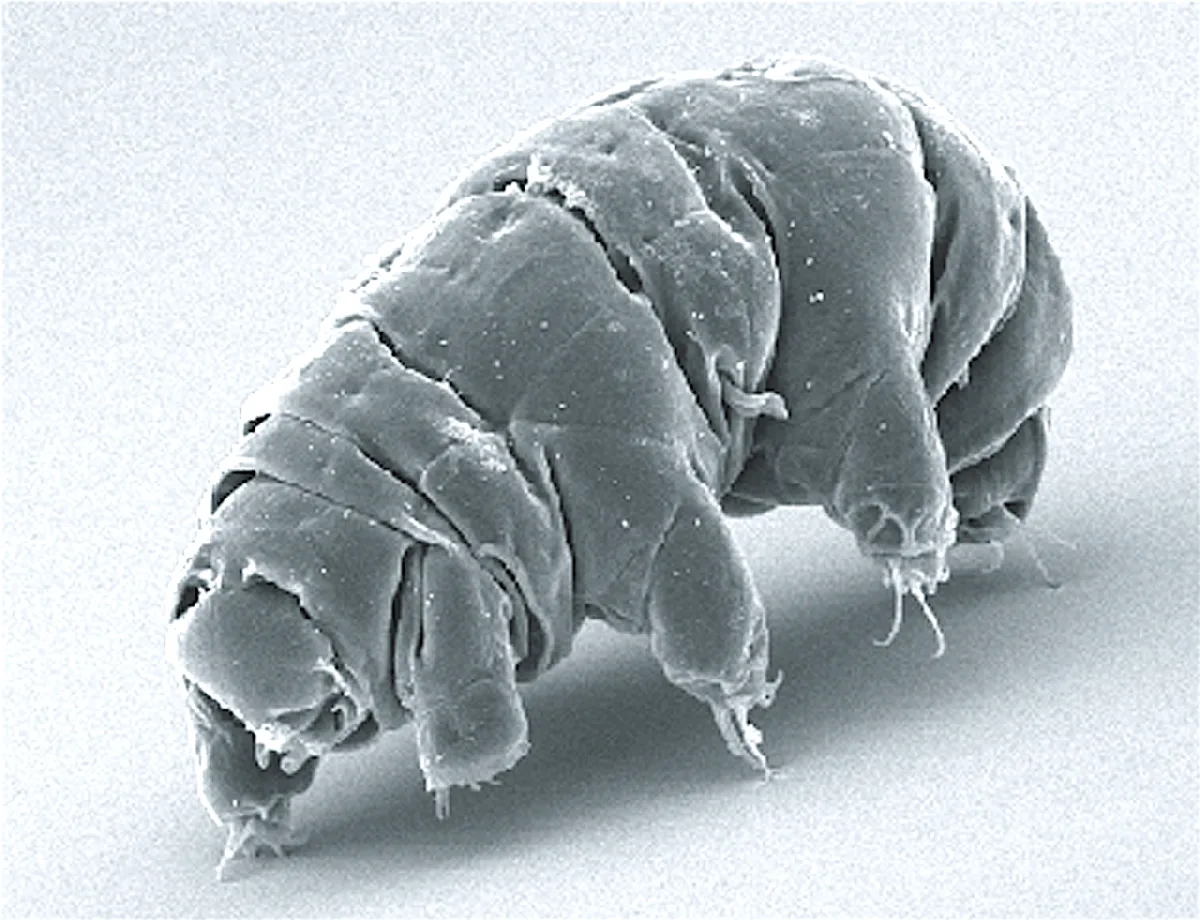
In 2018, Japanese scientists kept a colony of tardigrades in complete dehydration for 30 years, then added water. They woke up and started eating within hours. Some had babies the same day. Tardigrade...
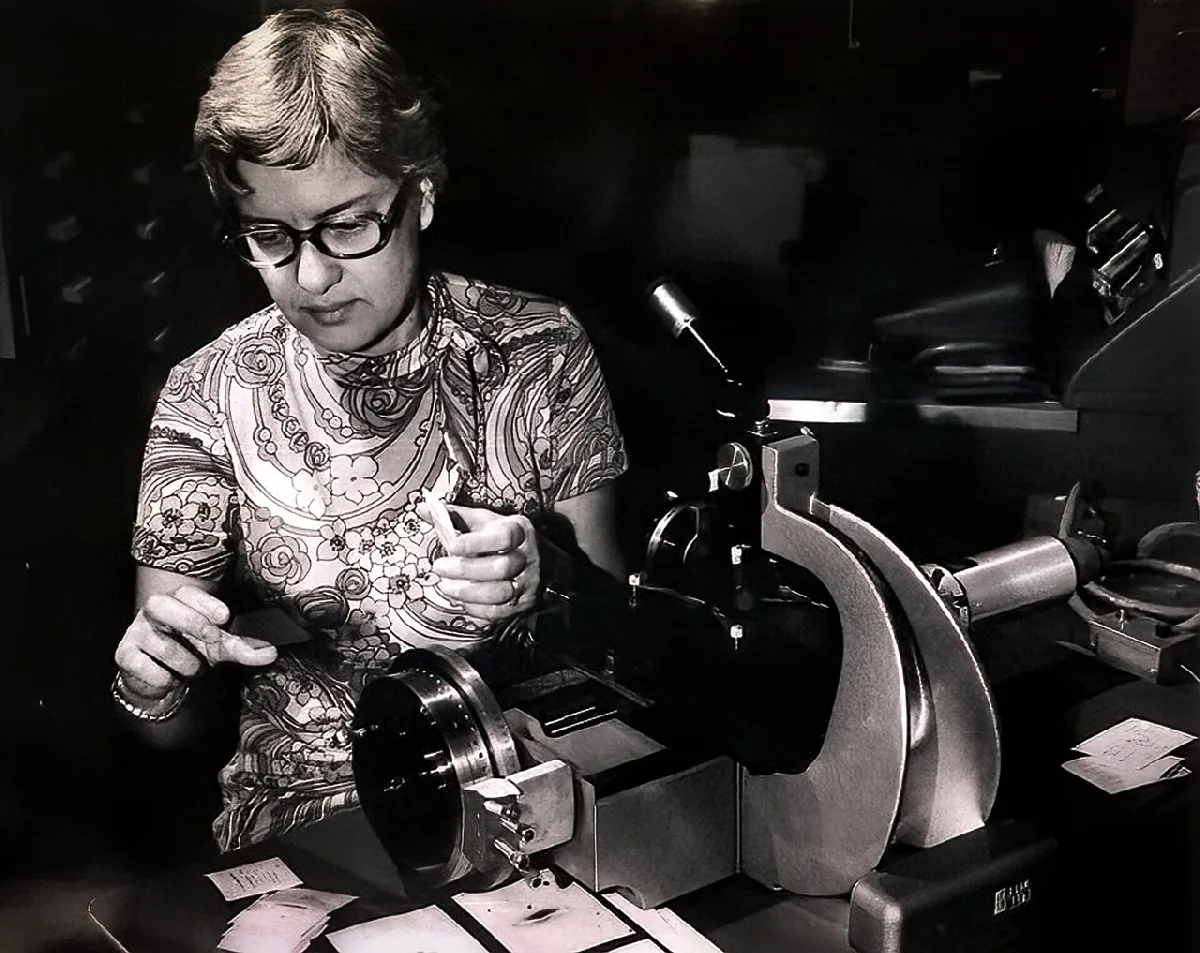
Vera Rubin spent the 1970s measuring how galaxies rotate and found they moved in ways that made no sense unless invisible matter was holding them together. She had discovered dark matter, which makes...

Emmy Noether, a German mathematician, proved in 1915 that every symmetry in physics corresponds to a conservation law. Einstein called her a genius. The University of Gottingen wouldn't let her teach...
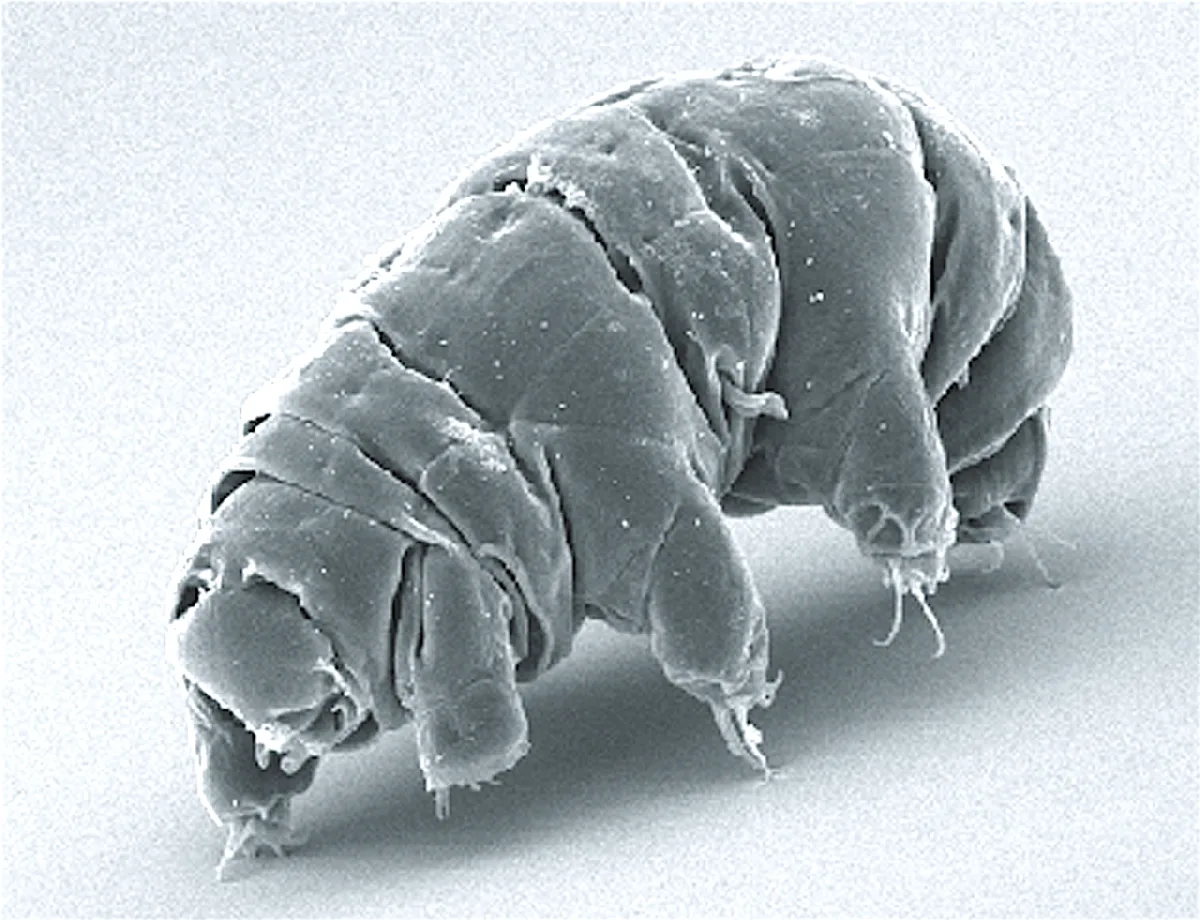
A tardigrade can survive being boiled, frozen to near absolute zero, exposed to the vacuum of space, and blasted with radiation that would kill a human 1,000 times over. They've been on Earth for 500...
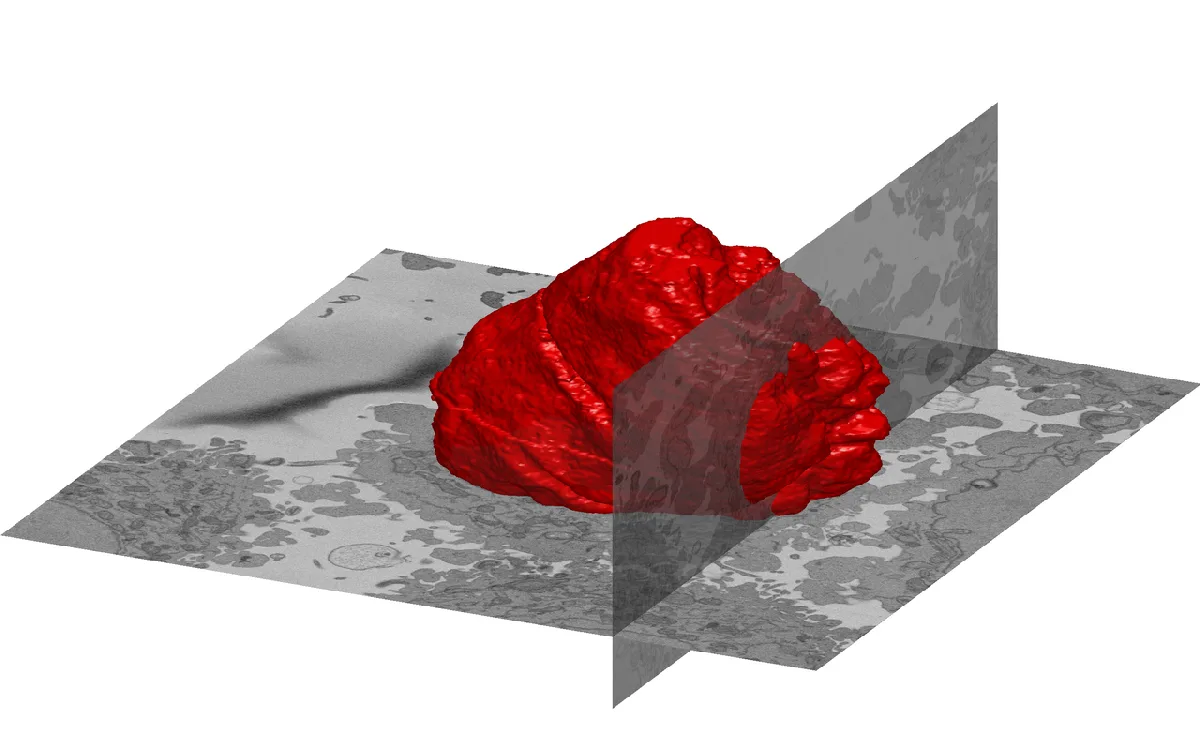
Henrietta Lacks died of cervical cancer in 1951. Her cells, taken without her knowledge, became the first human cells to survive and multiply in a lab. They've been used in over 75,000 studies. Her fa...

The human body contains about 0.2 milligrams of gold, mostly dissolved in the blood. The ocean contains roughly 20 million tons of dissolved gold, but it's so diluted that extracting it costs far more...
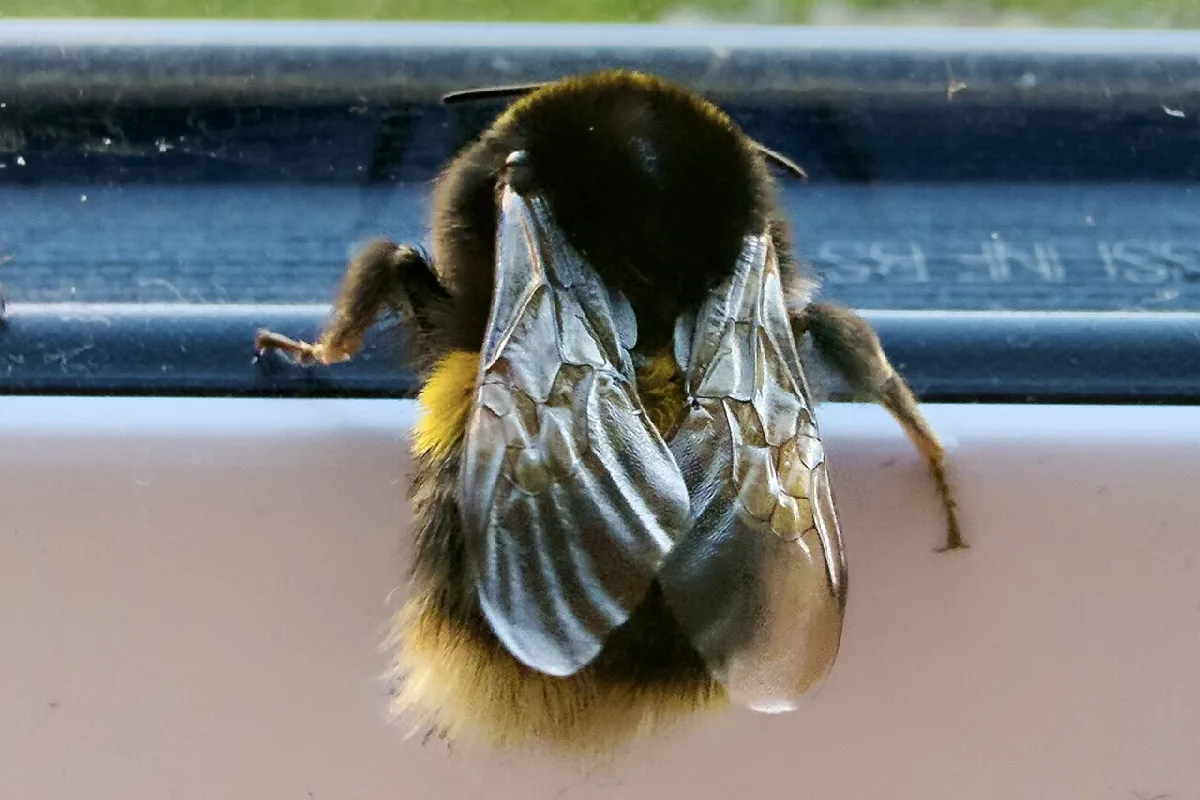
When a bee discovers a food source, it returns to the hive and performs a waggle dance that communicates the exact distance, direction, and quality of the find. Karl von Frisch decoded this language i...

Barbara McClintock discovered jumping genes in corn in 1948. The scientific community dismissed her work as crazy for three decades. She won the Nobel Prize in 1983 at age 81. She said: If you know yo...
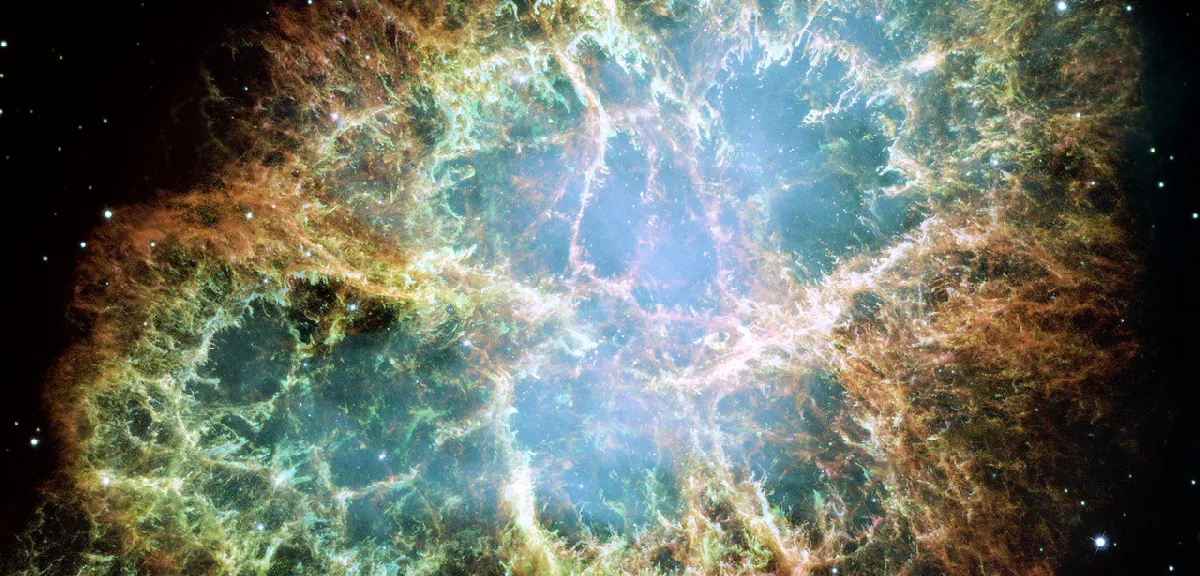
In 1054 AD, Chinese and Arab astronomers recorded a "guest star" so bright it was visible in daylight for 23 days. European records barely mention it. That explosion created the Crab Nebula, which is...
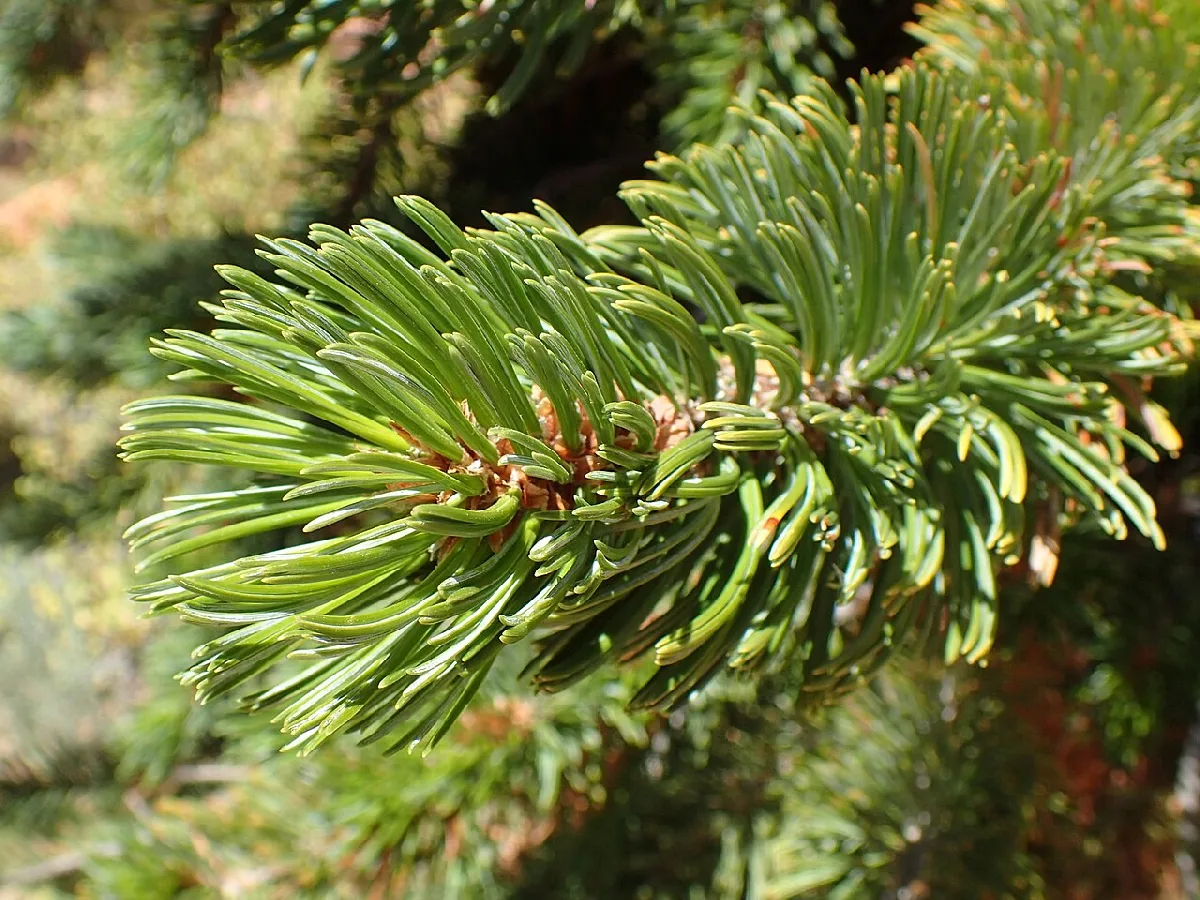
The oldest known living organism is a bristlecone pine in California's White Mountains. It germinated in 2833 BC, before the Egyptian pyramids were built. The US Forest Service won't reveal its exact...

Astronomers in ancient Dogon country in Mali tracked the orbit of Sirius B, a white dwarf star invisible to the naked eye. French anthropologists documented this knowledge in the 1930s. How the Dogon...
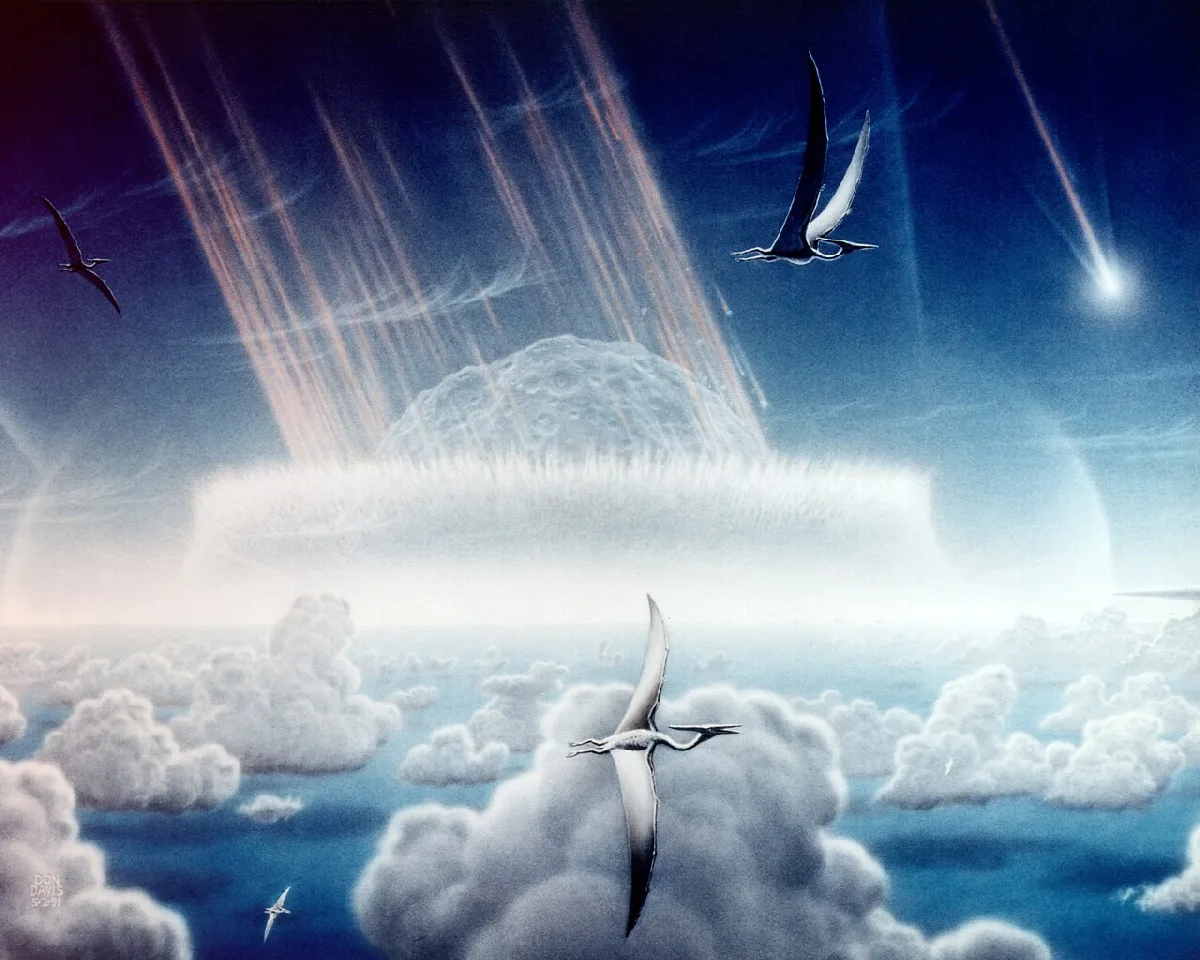
When the Chicxulub asteroid hit Earth 66 million years ago, the impact was 10 billion times more powerful than the Hiroshima bomb. The shockwave circled the planet in hours. But the dinosaurs weren't...
papr turns your books into a reading persona, chapter insights you can listen to, and a quiet way to find people who think like you. Free to join.
Get papr — it's free