Books like The Abolition of Man
12 books with a reading profile close to The Abolition of Man by C.S. Lewis. Deep and contemplative; a moderate read.
-
1
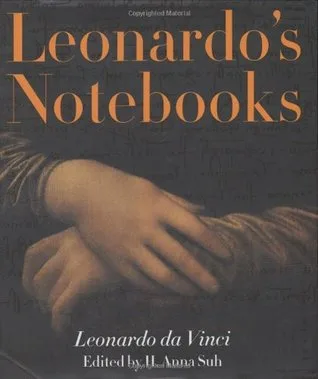
Leonardo's Notebooks
Also deep and contemplative · philosophy, academic
Leonardo’s Notebooks serve as a massive repository of raw data and observations spanning anatomy, optics, and hydraulics.
-
2
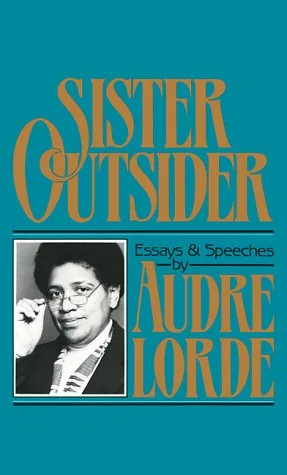
Sister Outsider: Essays and Speeches
by Audre Lorde
Also deep · philosophy, academic
In this collection of fifteen essays and speeches, Audre Lorde establishes a framework for intersectional feminism by addressing how racism, sexism, ageism, and homophobia function as interlocking systems of oppression.
-
3
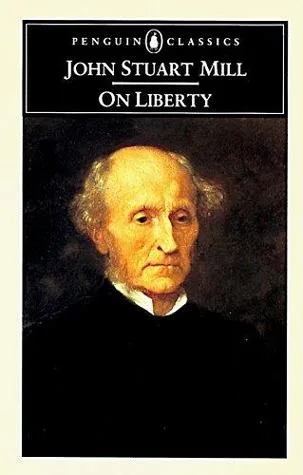
On Liberty
Also deep · philosophy, academic
John Stuart Mill establishes the Harm Principle, asserting that the only justification for interfering with an individual's freedom is to prevent harm to others.
-
4

On Photography
by Susan Sontag
Also deep and contemplative · philosophy, academic
Susan Sontag examines how the camera functions as an instrument of surveillance, appropriation, and moral detachment.
-
5

The Paradoxes of Art
by Alan Paskow
Also deep and contemplative · philosophy, academic
In "The Paradoxes of Art," Alan Paskow addresses the ontological status of fictional entities and why humans feel genuine emotions toward characters they know do not exist.
-
6
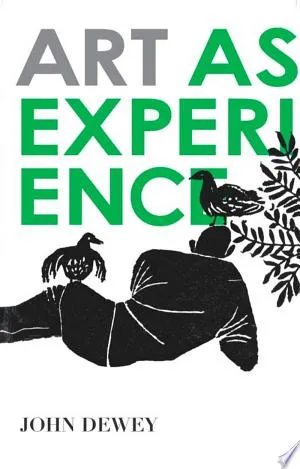
Art as Experience
by John Dewey
Also deep and contemplative · philosophy, academic
John Dewey argues that art is not a finished object stored in a museum, but a continuous process of human interaction with the environment.
-
7

Being There
by Andy Clark
Also deep · philosophy, academic
Andy Clark argues that human intelligence does not reside solely within the skull but emerges from the coordination of brain, body, and environment.
-
8
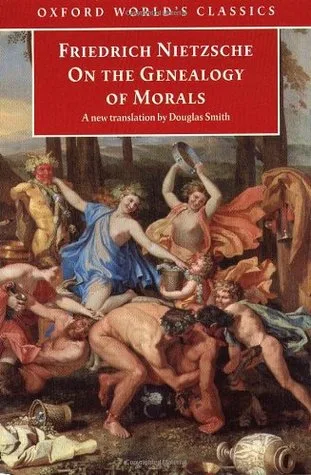
On the Genealogy of Morals
Also deep · philosophy, academic
Friedrich Nietzsche challenges the evolution of Western ethics by tracing the psychological origins of good and evil.
-
9
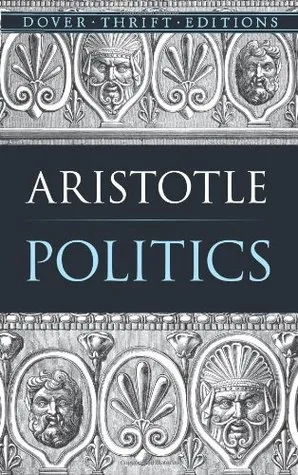
-
10
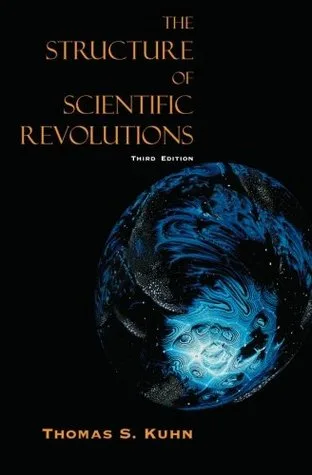
The Structure of Scientific Revolutions
Also deep · philosophy, academic
Thomas Kuhn challenges the timeline of linear scientific progress, arguing instead that science operates through distinct cycles.
-
11

Living in the End Times
by Slavoj Žižek
Also deep · philosophy, academic
Slavoj Žižek uses Elisabeth Kübler-Ross’s five stages of grief—denial, anger, bargaining, depression, and acceptance—to categorize the global response to what he identifies as the terminal crisis of contemporary capital…
-
12
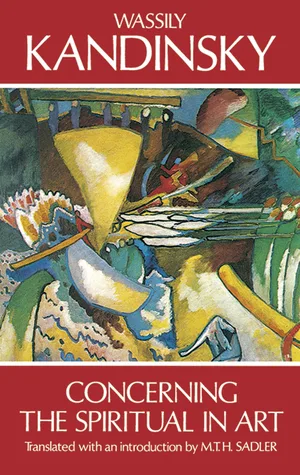
Concerning the Spiritual in Art
Also deep and contemplative · philosophy, academic
Wassily Kandinsky identifies painting as a psychological tool rather than a method for reproducing physical reality.
Get picks matched to your own reading on papr.
Get papr
