Books like Thus Spoke Zarathustra
12 books with a reading profile close to Thus Spoke Zarathustra by Friedrich Nietzsche. Deep, inward-looking, contemplative and open-ended; a demanding read.
-
1
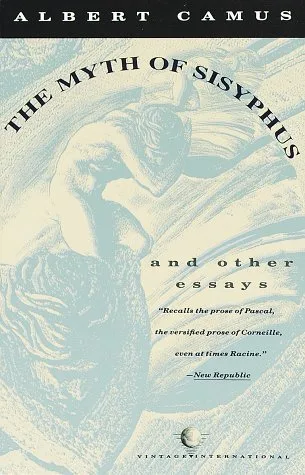
The Myth of Sisyphus and Other Essays
by Albert Camus
Also deep and contemplative · philosophy, dense
Albert Camus addresses the tension between the human drive for logic and the silent, irrational universe, a conflict he defines as the Absurd.
-
2
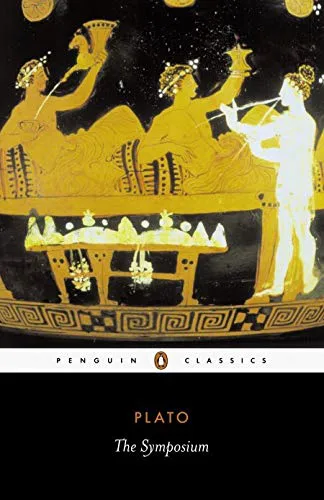
The Symposium
by Plato
Also deep and contemplative · philosophy, dense
Set in a celebratory banquet at the house of Agathon, this dialogue presents seven distinct speeches regarding the nature of Eros.
-
3
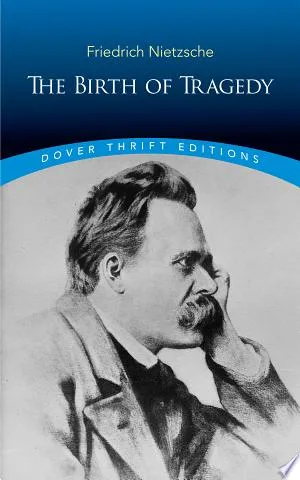
The Birth of Tragedy
Also deep and contemplative · philosophy, dense
In this philosophical debut, Nietzsche analyzes the origins of Greek drama through the tension between two opposing creative forces: the Apollonian and the Dionysian.
-
4
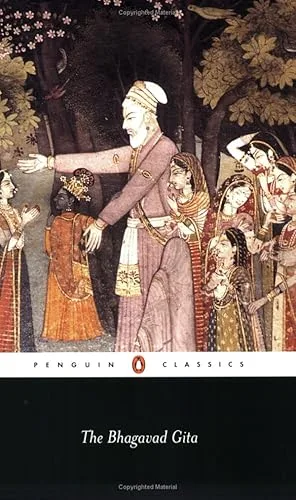
The Bhagavad Gita
Also deep and inward-looking · philosophy, dense
The Bhagavad Gita documents a dialogue between Prince Arjuna and the deity Krishna on the battlefield of Kurukshetra.
-
5
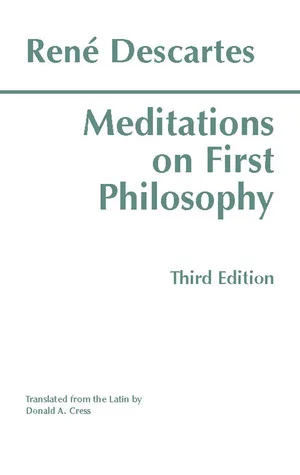
Meditations on First Philosophy
Also deep and open-ended · philosophy, dense
René Descartes initiates a systematic withdrawal from all previously held beliefs to identify what cannot be doubted.
-
6
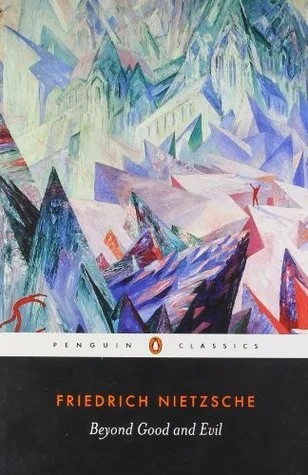
Beyond Good and Evil
Also deep and open-ended · philosophy, dense
Friedrich Nietzsche challenges the foundations of Western morality by rejecting the binary of absolute right and wrong.
-
7
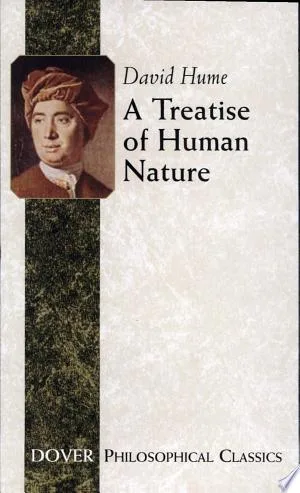
A Treatise of Human Nature
by David Hume
Also deep and open-ended · philosophy, dense
David Hume applies the principles of experimental observation to the study of the mind, rejecting abstract metaphysical speculation in favor of empiricism.
-
8
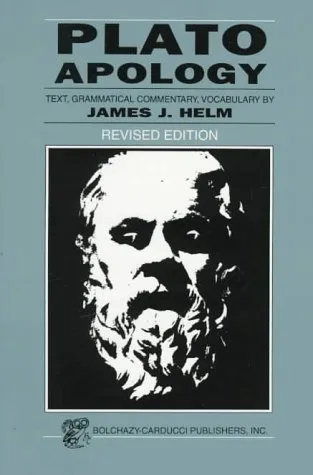
-
9
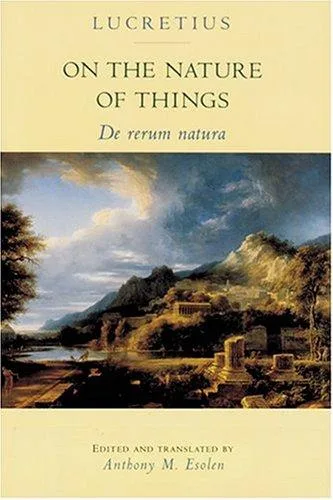
De rerum natura
Also deep and contemplative · philosophy, dense
Titus Lucretius Carus presents a systematic defense of Epicurean physics and ethics through six books of dactylic hexameter.
-
10
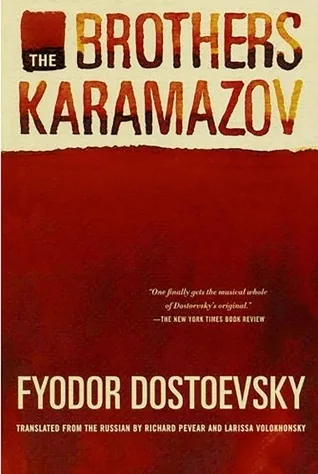
The Brothers Karamazov
Also deep and inward-looking · philosophy, dense
The narrative follows the moral decay of Fyodor Pavlovich Karamazov and his three sons: the impulsive soldier Dmitri, the intellectual atheist Ivan, and the novice monk Alyosha.
-
11
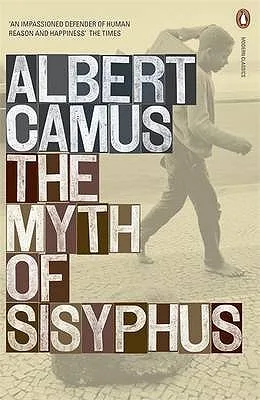
The Myth of Sisyphus
by Albert Camus
Also deep and inward-looking · philosophy, dense
Albert Camus introduces the concept of the Absurd, defining it as the friction between the human hunger for objective meaning and the silent, chaotic indifference of the universe.
-
12
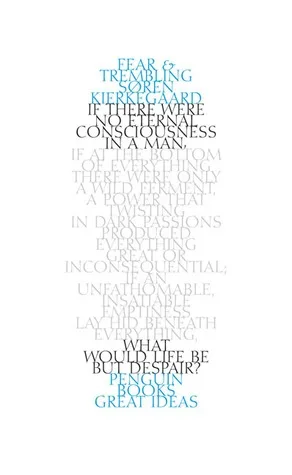
Fear and Trembling
Also deep and inward-looking · philosophy, dense
Søren Kierkegaard, writing under the pseudonym Johannes de Silentio, examines the psychological state of Abraham during the biblical command to sacrifice his son, Isaac.
Get picks matched to your own reading on papr.
Get papr
